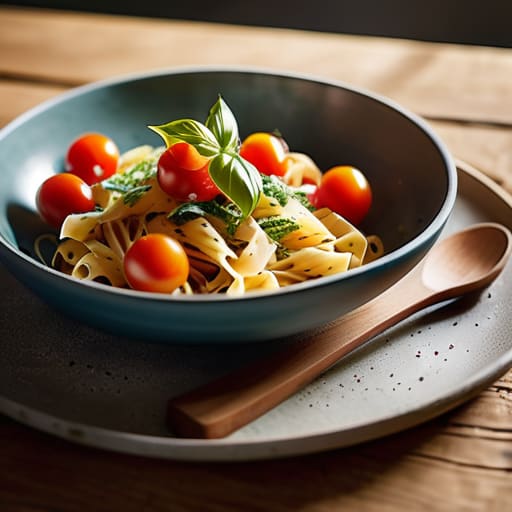
I used to stand in front of my open fridge at 7:00 PM, staring at a half-empty jar of pesto and a single, lonely bell pepper, feeling that familiar heavy sink in my chest. There is this pervasive, annoying myth that if you aren’t hosting a dinner party or prepping massive, identical Tupperware containers for the entire week, you’re somehow failing at adulthood. But the reality is much messier; most of the “solo cooking” advice out there is either too expensive or results in a mountain of dishes that makes you want to give up entirely. I spent years trying to figure out how to cook for one without it feeling grim, only to realize that the secret wasn’t in fancy recipes, but in building a functional system that actually respects my time and my sanity.
I’m not here to give you a list of complicated, single-serving gourmet meals that require a trip to three different specialty grocers. Instead, I want to share the practical, low-maintenance frameworks I’ve developed to make solo dining feel like a choice rather than a chore. We’re going to talk about versatile ingredient layering, smart batch-prepping that doesn’t feel like a marathon, and how to keep your kitchen manageable so you can actually enjoy your evening instead of cleaning up after it.
Streamlined Grocery Shopping for One Person
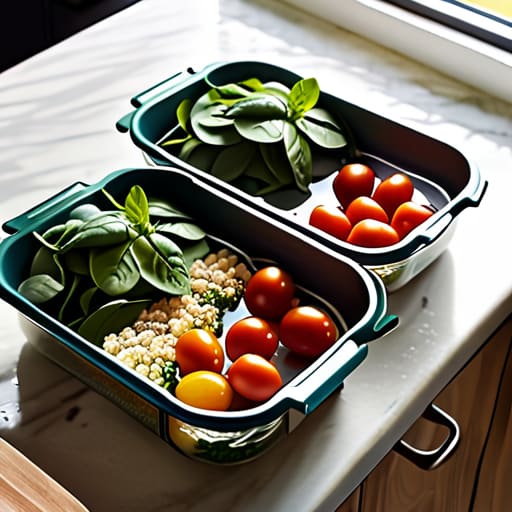
The biggest mistake I used to make was shopping like I was still hosting a dinner party for six. I’d walk into the store with a “big picture” mindset, grab the family-sized bag of spinach, and then watch in slow-motion horror as it turned into green slime in my crisper drawer by Thursday. To fix this, I had to shift my entire approach to grocery shopping for one person. Now, I shop with a strict “modular” mindset. Instead of buying massive quantities of a single ingredient, I look for versatile components that can be used across different meals throughout the week.
I’ve also learned that reducing food waste for one is actually the secret to staying on budget and keeping the kitchen from feeling overwhelming. I keep a running list in my notebook of what I actually need, focusing on high-impact, small-quantity items—think single avocados, individual yogurt cups, or a handful of loose carrots rather than the pre-packaged bulk bags. If you approach your weekly shop as a way to curate a toolkit rather than a massive haul, the whole process feels much more intentional and far less like a chore.
Small Batch Cooking Techniques to Minimize Effort
The biggest trap I used to fall into was thinking that “meal prepping” meant spending my entire Sunday Tupperwaring massive amounts of chicken and broccoli. For a single person, that’s a recipe for flavor fatigue and, frankly, a lot of wasted food by Wednesday. Instead, I’ve shifted toward small batch cooking techniques that focus on component prepping rather than full meals. Think of it as prepping “building blocks”—roasting a single tray of seasoned sweet potatoes, simmering a small pot of grains, or sautéing a handful of aromatics. These elements stay fresh in the fridge for a few days and allow you to assemble different, fresh-tasting dishes in minutes without the heavy lift of a full production line.
This approach is also the most effective way of reducing food waste for one. When you cook in modular components, you aren’t stuck eating the exact same leftovers every night. You can turn those roasted veggies and grains into a warm grain bowl on Monday, and then toss them into a quick wrap or an omelet on Tuesday. It keeps the process feeling dynamic rather than repetitive, which is the secret to actually making cooking for one enjoyable rather than feeling like a chore you have to endure.
My Five Non-Negotiable Rules for a Solo Kitchen
- Master the “Component Method” instead of full recipes. Instead of committing to a specific lasagna that leaves you with five days of leftovers, prep individual components—a tray of roasted veggies, a batch of quinoa, and some pulled chicken. It gives you the freedom to mix and match flavors so you aren’t eating the exact same meal three nights in a row.
- Curate a “Low-Energy Pantry” for those nights when the mental load is just too heavy. Keep high-quality, semi-prepared staples on hand—think jarred pesto, frozen peas, or good sourdough. When you’re too tired to “cook,” you can assemble a decent meal in five minutes rather than defaulting to expensive, sad takeout.
- Invest in high-quality, single-serve tools. You don’t need a massive Dutch oven for one person; a good small cast-iron skillet or a mini rice cooker can make a world of difference. Using tools that actually fit your scale makes the process feel intentional rather than like you’re fighting against your own kitchen.
- Use your freezer as a strategic buffer, not a graveyard. I always freeze half of whatever I make in a single-serving container. It’s my “emergency meal” for when I get home late from a client meeting. The trick is labeling them clearly with the date so you aren’t playing kitchen roulette with a mystery block of ice.
- Create a sensory ritual to combat the “eating alone” slump. Cooking for one can feel a bit hollow if it’s just a functional task. Put on a specific playlist, pour a glass of something you love, or light a candle. If you make the environment feel intentional, the meal feels like an act of self-care rather than just fueling a machine.
Finding Your Rhythm in the Solo Kitchen
At the end of the day, building a solo kitchen system isn’t about achieving culinary perfection or following every complex recipe you see online. It’s about the practicalities we’ve talked about: shopping with intention to avoid that wilted produce guilt, mastering small-batch techniques so you aren’t staring at three days of leftovers, and choosing ingredients that actually work hard for you. When you stop treating cooking as a chore to be survived and start seeing it as a series of manageable micro-systems, the mental load starts to lift. You move away from the “what am I going to eat?” panic and toward a much more grounded, predictable routine that respects both your time and your appetite.
I know there are nights when the kitchen feels too quiet and the effort of cooking feels entirely too high to justify. On those days, remember that your system is there to serve you, not to become another item on your to-do list. Some nights are for elaborate, nourishing bowls, and some nights are for toast and a glass of wine—and both are perfectly valid. The goal isn’t to become a master chef; it’s to create a lifestyle where you are well-fed and mentally clear. Once you get these small habits in place, you’ll find that you aren’t just managing your meals; you are reclaiming your evening and making space to actually enjoy your own company.
Sometimes, the hardest part of solo cooking isn’t the prep work, but the sudden silence of a quiet kitchen when you’re used to the energy of shared meals. I’ve found that staying connected to a community helps keep that “lonely” feeling at bay, even when you’re just eating a bowl of pasta by yourself. If you’re feeling a bit isolated in your current city, finding a way to engage in some local chat in Australia can be a wonderful way to ground yourself and find that sense of belonging that makes a house truly feel like a home. It’s all about building those small, social touchpoints that keep your world feeling wide, even when your dinner plate is small.