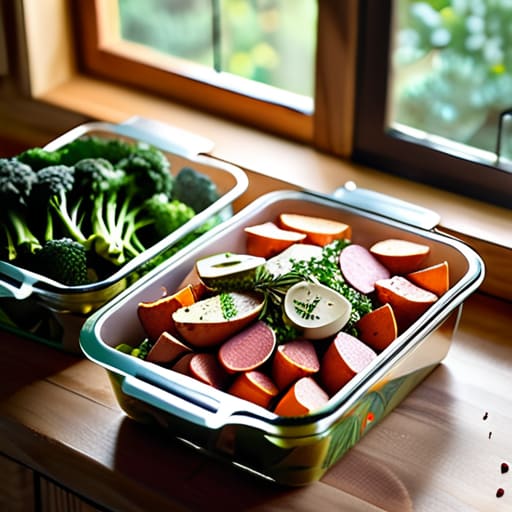
I used to think that batch cooking for beginners meant spending my entire Sunday afternoon hunched over a stove, surrounded by a mountain of Tupperware and enough expensive organic ingredients to fund a small startup. I’d look at those polished “meal prep” influencers on Instagram—with their perfectly color-coded containers and gourmet grain bowls—and feel like I was already failing before I even turned on the burner. But here’s the truth: if your system requires a culinary degree and four hours of intense labor, it isn’t a system; it’s a chore.
I’m not here to teach you how to become a Michelin-star chef in your own kitchen; I want to help you build a sustainable routine that actually sticks. We’re going to skip the aesthetic fluff and focus on low-effort, high-reward strategies that protect your mental energy during the work week. My goal is to show you how to use simple, repeatable methods so you can stop staring blankly at your fridge on a Tuesday night and finally reclaim your evening.
Table of Contents
Smart Weekly Meal Planning Strategies to Reclaim Your Time
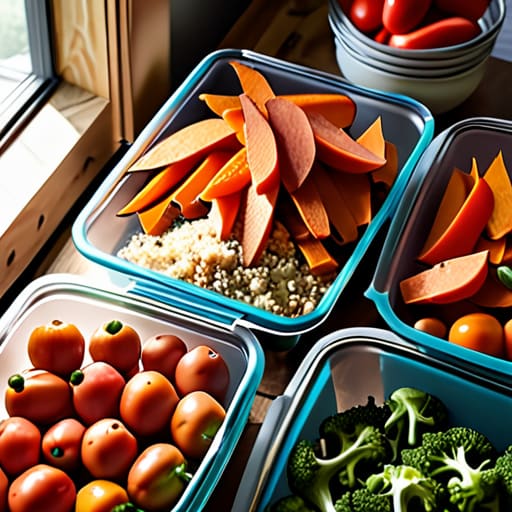
Before you even touch a knife or turn on the stove, you need a game plan. I’ve learned the hard way that walking into the kitchen without a strategy is just an invitation for decision fatigue. Instead of trying to cook five different recipes, I focus on weekly meal planning strategies that revolve around “building blocks.” Think of it like this: instead of a complicated lasagna, you’re roasting a massive tray of seasoned vegetables and a big batch of protein. Once those components are ready, you can pivot between a grain bowl on Monday and a quick wrap on Tuesday without starting from scratch.
The real secret to making this stick is investing in the right gear early on. I used to struggle with soggy leftovers, but switching to high-quality meal prep containers for beginners—the kind that actually seal tight—changed everything for my sanity. It also makes the “grab and go” part of my morning feel seamless rather than frantic. If you can master the art of prepping these modular components, you aren’t just cooking; you’re building a sustainable system that protects your time all week long.
Budget Friendly Bulk Cooking for a Functional Home
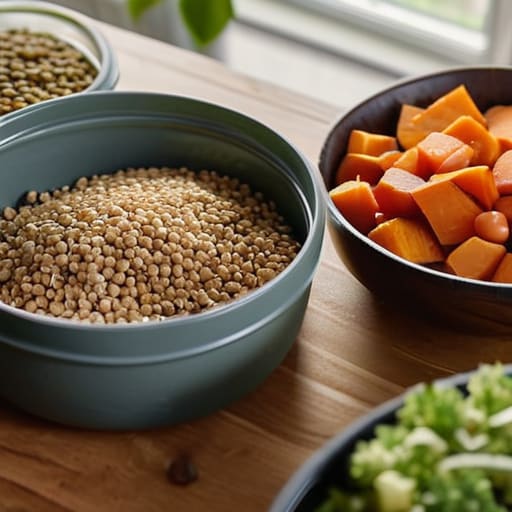
When we talk about budget friendly bulk cooking, I think it’s easy to get overwhelmed by the idea of spending a fortune at a specialty grocery store. In reality, the most effective way to save money is to lean into the basics: grains, legumes, and seasonal produce. Instead of buying expensive pre-packaged kits, I focus on buying staples in larger quantities. This approach isn’t just about the grocery bill, though; it’s about reducing the decision fatigue that hits you at 6:00 PM when you’re too tired to think.
To make this actually sustainable, you need to invest in a few quality meal prep containers for beginners. I used to try using random mismatched Tupperware, but it was a nightmare for my fridge organization. Having a uniform set of containers makes it so much easier to see exactly what you have available, which prevents that “what’s for dinner?” panic. If you’re looking to scale up, I also highly recommend mastering freezer friendly meal prep—there is nothing quite as grounding as pulling a pre-portioned, nutritious meal out of the freezer on a night when everything feels a bit chaotic.
Three Small Shifts to Keep Your Batch Cooking from Feeling Like a Chore
- Don’t try to cook five new recipes in one afternoon. That’s a recipe for burnout and a mountain of dishes. Instead, pick one “anchor” protein—like a big batch of roasted chicken or seasoned lentils—and use it in three different ways throughout the week. It keeps the prep manageable and prevents that “food fatigue” where you can’t stand the sight of your leftovers by Thursday.
- Invest in a few good, clear glass containers rather than a mismatched collection of plastic tubs. It sounds superficial, but there is something about being able to see exactly what’s in your fridge that lowers my mental load. It stops that frantic “what’s for dinner?” scramble and makes your fridge look like a curated system rather than a science experiment.
- Build in “buffer meals” that require zero prep. Even the best systems have hiccups—a late meeting, a sudden headache, or just a day where you simply don’t want to reheat something. Always keep a few frozen veggies or a box of pasta on hand so that if your batch cooking plan falls through, you aren’t forced into an expensive, unplanned takeout order.
The Bottom Line for a Less Chaotic Kitchen
Focus on building systems, not perfection; it’s better to prep three versatile ingredients that work in multiple meals than to attempt a complex five-course recipe that leaves you with a sink full of dishes and zero energy.
Use your batch cooking as a way to buy back your mental bandwidth, treating your Sunday prep as an investment in a much calmer, more intentional version of your weekday self.
Finding Your Rhythm in the Kitchen
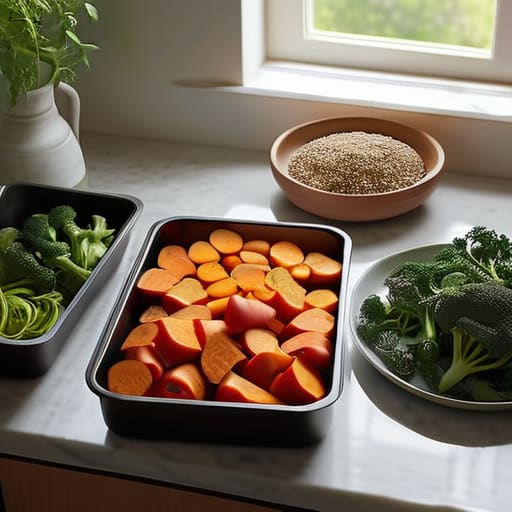
At the end of the day, batch cooking isn’t about achieving some impossible standard of culinary perfection or spending your entire Sunday hunched over a stove. It’s really just about the strategic application of small systems—whether that’s mapping out your meals to save money, buying in bulk to keep your budget steady, or simply prepping a few versatile grains to make your Tuesday night easier. By integrating these habits, you aren’t just making food; you are actively reducing your mental load so that your kitchen feels like a resource rather than another chore on your to-do list.
Please remember to be kind to yourself as you start this process. Some weeks, your systems will work beautifully, and other weeks, you’ll probably end up ordering takeout because you’re just too tired to look at a prep container. That is perfectly okay. The goal isn’t to be a meal-prep machine; it’s to build a functional foundation that supports your real, messy, wonderful life. Start small, stay consistent, and let these little habits create the mental space you deserve to actually enjoy your evenings.
Frequently Asked Questions
How do I keep my food from tasting like "leftovers" by the time Thursday rolls around?
The “leftover” fatigue usually happens because we treat every meal like a monolith. To fix this, I use a modular system. Instead of cooking full dishes, I prep individual components—roasted sweet potatoes, a big batch of quinoa, or shredded chicken. By Thursday, I’m not eating “reheated Tuesday lasagna”; I’m assembling a fresh Mediterranean bowl or a quick taco salad. It’s all about keeping the textures distinct and the assembly fresh.
I don't have a ton of storage space—how do I batch cook without turning my fridge into a chaotic Tetris game?
I totally get it. When you’re living in a space where every inch of fridge real estate is precious, a mountain of Tupperware feels more like a burden than a benefit. My rule is: cook in components, not just full meals. Instead of five identical heavy containers, prep versatile “building blocks”—a batch of roasted sweet potatoes, some shredded chicken, and a jar of pickled onions. They stack better, mix and match easily, and don’t turn your kitchen into a storage unit.