I remember sitting on my kitchen floor a few years ago, staring at a massive bag of spinach and a surplus of chicken breasts, feeling completely defeated by the sheer exhaustion of it all. I had spent my entire freelance workday managing complex project timelines, only to realize that my evening was going to be a mountain of dishes and leftovers that would inevitably turn into a science experiment in the back of my fridge. There is a specific kind of loneliness that hits when you’re trying to figure out how to cook for one without it feeling grim, especially when every recipe you find online seems designed for a family of four or a couple on a romantic getaway.
I’m not here to sell you on elaborate meal-prep Sundays that take five hours and leave you feeling more drained than when you started. Instead, I want to share the low-maintenance systems I’ve built to make solo dining feel intentional rather than accidental. We’re going to focus on practical ways to minimize waste, smart grocery habits, and simple ways to keep your meals feeling fresh and varied. My goal is to help you reclaim your kitchen so that feeding yourself becomes a moment of calm rather than another chore on your to-do list.
Mastering Small Portion Cooking Tips for Better Mental Space
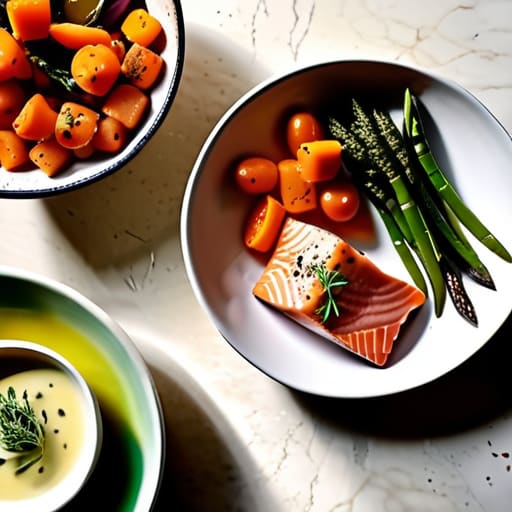
The biggest hurdle I used to face wasn’t the cooking itself, but the sheer volume of ingredients that would sit in my fridge, slowly turning into a science experiment. When you’re just one person, a standard recipe designed for a family of four feels like a logistical nightmare. I’ve found that the secret to staying sane is mastering small portion cooking tips that focus on modularity rather than rigid recipes. Instead of making a massive lasagna that you’ll eat for five days straight (which can feel a bit heavy and uninspiring), try prepping individual components like a roasted vegetable medley or a single protein.
This approach to batch cooking for solo eaters allows you to keep things fresh and varied. I like to think of my kitchen as a little assembly line: I’ll roast a tray of sweet potatoes on Sunday, but then I can use them in a grain bowl on Monday and toss them into an omelet on Tuesday. This keeps the “mental load” low because the heavy lifting is done, but it prevents that feeling of eating the exact same meal every single night. It’s all about building a toolkit of ingredients rather than a mountain of leftovers.
Smart Grocery Shopping for One to Stop the Cycle of Waste
The biggest trap I used to fall into was the “bulk buy” mentality. I’d see a massive bag of spinach on sale and think, it’s such a good deal, only to watch it turn into a bag of green slime in my crisper drawer three days later. When you’re just one person, those massive quantities aren’t a bargain; they’re a burden. To break this cycle, I’ve had to get much more intentional with grocery shopping for one. Instead of buying for the person I wish I was—the one who meal preps elaborate feasts every Sunday—I shop for the person I actually am on a Tuesday night after a long freelance deadline.
I’ve found that the secret to reducing food waste for singles is leaning heavily into versatile, modular ingredients. Rather than buying a whole head of cabbage for one stir-fry, I’ll opt for a single bell pepper or a small bag of pre-washed greens. I also keep a “buffer” of frozen staples—peas, corn, or even frozen berries—that won’t expire if my plans change. It’s about building a pantry that supports flexibility rather than one that demands constant maintenance.
My Five Non-Negotiable Systems for Solo Cooking
- Build a “Base Component” Library. Instead of cooking full meals that leave you with three days of the same leftovers, cook individual components. Roast a tray of mixed veggies, boil a batch of quinoa, or grill two chicken breasts. When it’s time to eat, you aren’t “making a meal”; you’re just assembling different combinations of those fresh bases so it feels like a new dish every time.
- Invest in “Real” Smallware. There is nothing more soul-crushing than trying to cook a single serving of pasta in a massive pot that takes ten minutes to boil and even longer to scrub. Get a small, high-quality saucepan and a tiny skillet. When your tools actually fit the scale of your meal, the process feels intentional rather than like you’re performing surgery on a tiny portion.
- The “One-In, One-Out” Freezer Rule. I used to let frozen bags of peas or half-used jars of pesto languish in the back of the freezer until they became mystery items. Now, I only buy frozen goods if I have a specific plan to use them within two weeks. If you can’t visualize how that bag of spinach fits into your next three meals, leave it on the shelf.
- Create a “Low-Effort” Emergency Menu. We all have those nights where the mental load is just too high to even think about a recipe. Keep three specific, zero-effort meals in your pantry—think high-quality canned beans with avocado, or a really good jarred pesto and pasta. Knowing you have a “safety net” meal prevents the dreaded, expensive, and lonely late-night takeout cycle.
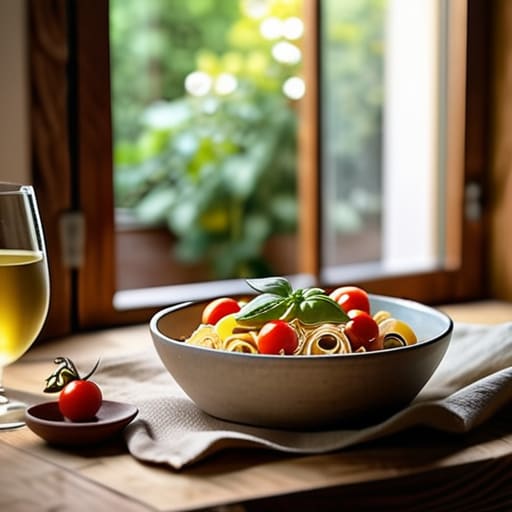
- Treat Your Table Like a Sanctuary. This is the most important one for my mental health. When you live alone, it’s easy to default to eating over the sink or scrolling on your phone on the couch. Even if it’s just a simple bowl of soup, put it on a real plate, sit at the table, and step away from the screens. It turns “fueling up” into a ritual of self-care rather than just a chore to get through.
Finding Your Rhythm in a Solo Kitchen
At the end of the day, cooking for one isn’t about achieving culinary perfection or following complex, multi-step recipes every single night. It’s about building those small, repeatable systems—like mastering portion control, shopping with intention to avoid that wilted produce guilt, and keeping your pantry stocked with versatile staples—that take the decision fatigue out of your evening. When you stop treating every meal like a monumental task and start seeing it as a manageable part of your daily flow, the kitchen stops feeling like a place of chore-driven stress and starts feeling like a space of functional calm.
Please remember that it is okay if some nights you just end up eating toast over the sink; life happens, and your systems should serve you, not the other way around. The goal isn’t to become a professional chef in your tiny apartment, but to create enough structure that you actually have the mental bandwidth to savor the quiet moments of your evening. You deserve to be well-fed and nourished, even when you’re navigating life on your own. Focus on the small wins, keep your notebook handy for those new recipe ideas, and give yourself permission to enjoy the process.
Once you’ve got your grocery list dialed in, the next step is really about managing your energy throughout the week so you don’t end up ordering takeout out of pure exhaustion. I’ve found that having a few reliable go-to meals that require almost zero brainpower is the secret to staying on track. Sometimes, when I’m feeling particularly socially drained or just need a change of pace to reset my mood, I find that looking for some lighthearted distraction or even checking out something like cairns sluts helps me transition out of “work mode” and back into my personal life. It’s all about creating that intentional boundary between your responsibilities and your downtime so that your evening feels like a reward rather than just another task to manage.