I was standing in my kitchen last Tuesday, staring at a bag of slimy spinach and a carton of yogurt that had somehow expired three days ago, and I felt that familiar, heavy pang of guilt. It’s that specific brand of “adulting failure” that makes you want to just close the fridge and walk away. We see all these aesthetic, zero-waste lifestyle influencers preaching about complex composting setups and perfectly curated bulk-bin hauls, but let’s be real: most of us are just trying to get through a work week without throwing half our grocery budget into the trash. Learning how to reduce food waste shouldn’t feel like a second full-time job or an expensive hobby; it should be a seamless part of your routine.
I’m not here to give you a list of impossible lifestyle changes that require a complete kitchen overhaul. Instead, I want to share the small, repeatable systems I’ve built into my own life to keep my fridge functional and my bank account intact. We’re going to focus on low-maintenance habits—the kind of practical, no-nonsense shifts that actually stick when life gets chaotic. My goal is to help you stop the cycle of mindless throwing-out so you can finally reclaim your mental space (and your money).
Table of Contents
Sustainable Kitchen Habits for a Calmer Life
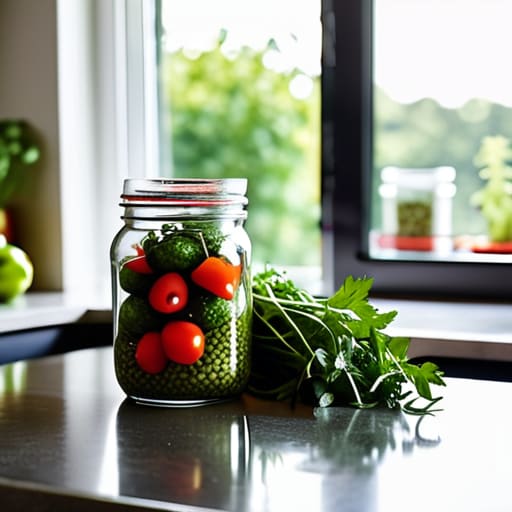
For me, the secret isn’t about a massive lifestyle overhaul; it’s about small, sustainable kitchen habits that actually stick. I used to walk into my kitchen feeling completely overwhelmed by a fridge full of “maybe” ingredients. Now, I rely on a simple “eat me first” bin. It’s a small clear container where I toss anything nearing its end—that half-used jar of pesto or the slightly soft bell pepper. It takes the guesswork out of dinner and stops those expensive veggies from becoming science experiments in the back of the drawer.
I’ve also learned that understanding expiration dates is a game changer for my peace of mind. I used to treat “best by” dates like absolute laws, tossing perfectly good yogurt just because the calendar flipped. In reality, most of these are just quality suggestions. By pairing this mindset with some basic proper food storage techniques—like keeping my herbs in a glass of water like a bouquet—I’ve noticed a massive difference in how long my produce actually lasts. It’s less about being a perfectionist and more about working with the ingredients you already have.
Meal Planning for Beginners to Stop the Chaos
I used to think meal planning meant spending my entire Sunday afternoon prepping elaborate Tupperware containers for the week ahead. Honestly? That approach felt more like a chore than a system, and I usually burned out by Tuesday. If you’re looking into meal planning for beginners, my best advice is to keep it loose. Start by simply auditing what you already have in your pantry before you even touch a grocery list. This prevents that mid-week realization that you’ve bought a third jar of cumin when you actually needed more lentils.
Instead of rigid recipes, try planning around flexible ingredients. If you know you have a bag of spinach and some heavy cream, you can pivot from a pasta dish to a creamy soup depending on how much energy you have left after work. This kind of adaptability is one of the most effective ways of reducing your grocery bill because it stops you from buying “just in case” ingredients that eventually end up wilted in the crisper drawer. Focus on building a rhythm, not a rulebook.
Three Small Shifts to Keep Your Fridge From Becoming a Graveyard
- Master the “Eat Me First” Bin. I started keeping a small, clear container on the middle shelf of my fridge specifically for items that are nearing their expiration date or looking a little sad. Whether it’s that half-used jar of pesto or the spinach that’s starting to wilt, if it’s in the bin, it’s the priority for your next meal. It takes the guesswork out of “what should I cook?” when you’re tired.
- Shop Your Own Pantry Before You Hit the Store. Before I write anything down in my notebook, I do a quick sweep of my cupboards. We often buy a second jar of cumin or a new bag of rice simply because we forgot we already had one tucked in the back. By checking your inventory first, you’re not just saving money; you’re preventing that cycle of buying, forgetting, and eventually tossing.
- Treat Your Freezer Like a Safety Net. The freezer is my best friend when life gets chaotic. If you realize you won’t get to that batch of roasted veggies or that loaf of bread before it goes bad, don’t just toss it. Chop those veggies and freeze them for a future soup, or slice that bread and freeze it for toast later. It’s a way to “pause” time on your food so nothing goes to waste just because you had a busy week.
Small Wins for a Functional Kitchen
Stop treating your fridge like a storage unit and start treating it like a workflow; knowing exactly what you have on hand is the fastest way to stop the “what’s for dinner” panic.
Focus on progress over perfection by implementing one simple rule—like a designated “eat me first” bin—rather than trying to overhaul your entire lifestyle overnight.
Small Wins in the Kitchen
At the end of the day, reducing food waste isn’t about achieving a zero-waste lifestyle overnight or having a perfectly curated, aesthetic pantry. It’s really just about those small, intentional shifts: checking your fridge before you head to the store, honoring your meal plan when you actually have the energy, and learning to love your leftovers. By implementing these simple systems, you aren’t just saving money or helping the planet; you are actively lowering your daily mental load and making your kitchen a place of intention rather than a source of guilt.
Please remember to be kind to yourself if a head of lettuce turns to mush or if your grocery list falls apart one week. Life happens, and perfection is the enemy of progress. The goal is simply to build sustainable habits that work for your actual, messy life. Start with just one small change this week—maybe it’s a dedicated “eat me first” bin in the fridge—and see how it feels. You’ve got this, and every small win counts toward a much calmer, more organized home.
Frequently Asked Questions
I’m already trying to plan my meals, but how do I actually manage my fridge so I don't forget what I have in the back?
The “forgotten vegetable” phenomenon is real, and it’s usually just a symptom of a disorganized fridge. I’ve found that a “First In, First Out” system works wonders. I keep a small “Eat Me First” bin on the middle shelf for anything nearing its expiration date. Also, try using clear, stackable bins instead of deep drawers; if you can see your spinach through the plastic, you’re much more likely to actually use it.
Is it actually worth the extra effort to learn how to freeze things, or is that just adding another layer of clutter to my kitchen?
I get this question all the time, and honestly, I used to feel the same way. I worried my freezer would just become a graveyard for forgotten bags of peas. But here’s the thing: when you treat freezing as a system rather than a chore, it’s a total game-changer. It’s not about clutter; it’s about creating a “buffer” for those nights when life gets chaotic and you can’t cook. It’s pure mental insurance.