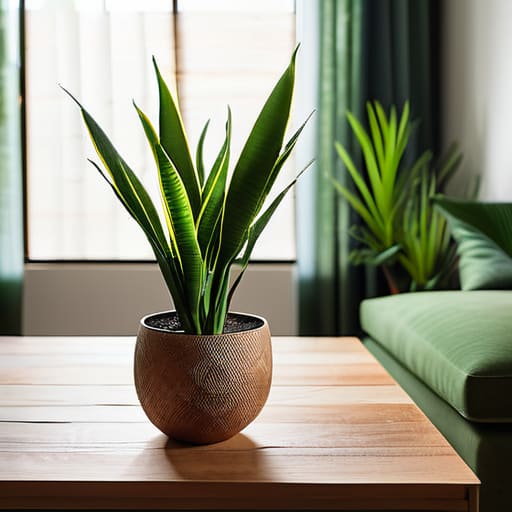
I used to think that having a “green thumb” was some sort of mystical, innate talent that I simply wasn’t born with. For the longest time, I’d buy a beautiful, leafy fern only to watch it slowly wither away into a sad, brown mess within two weeks, leaving me feeling like I’d failed at a basic adulting task. But I’ve realized that most of the time, it’s not about talent; it’s about choosing the right systems. If you’re looking for houseplants for beginners, the secret isn’t to buy the most dramatic-looking specimen at the nursery, but to select plants that actually work with your lifestyle rather than against it.
In this post, I’m breaking down my top three foolproof picks that can help you build a little indoor sanctuary without the constant stress of plant parent guilt. We’re going to skip the high-maintenance drama and focus on three specific varieties that are remarkably resilient and easy to integrate into your daily routine. By the end of this, you’ll have a clear, actionable plan to bring some life into your space without adding more chaos to your mental load.
Table of Contents
The Unkillable Snake Plant
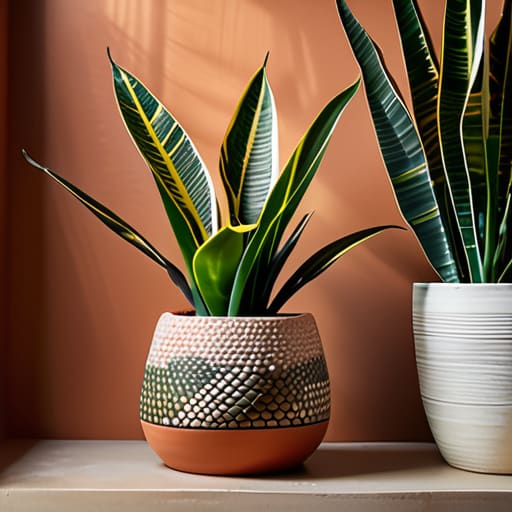
If you’re anything like I was when I first started my indoor garden, you probably worry that you’ll accidentally kill everything you touch. The Snake Plant is my absolute go-to for building confidence because it is incredibly forgiving. It doesn’t demand a strict watering schedule; in fact, it actually prefers if you forget about it for a week or two. It thrives in those awkward corners of an apartment where the light just isn’t quite right, making it a perfect addition to a low-maintenance setup.
Pothos: The Trailing Minimalist
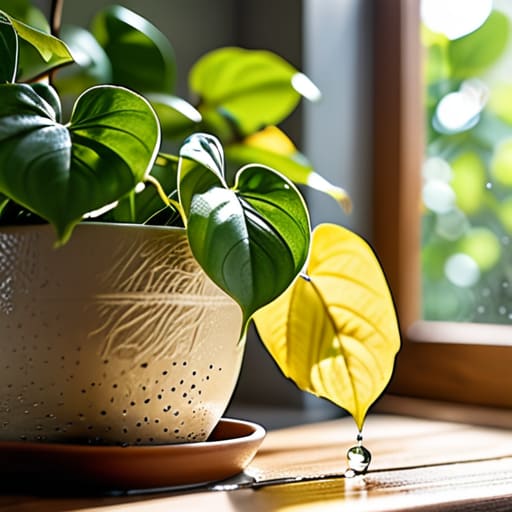
I love the Pothos because it feels less like a chore and more like a companion. These vines are incredibly expressive; if they start to wilt slightly, they are basically sending you a gentle nudge that they need a little water. Once they perk back up, they look revitalized almost instantly. It’s a very clear, communicative system that helps you learn the rhythm of plant care without the guesswork.
ZZ Plant: Set It and Forget It
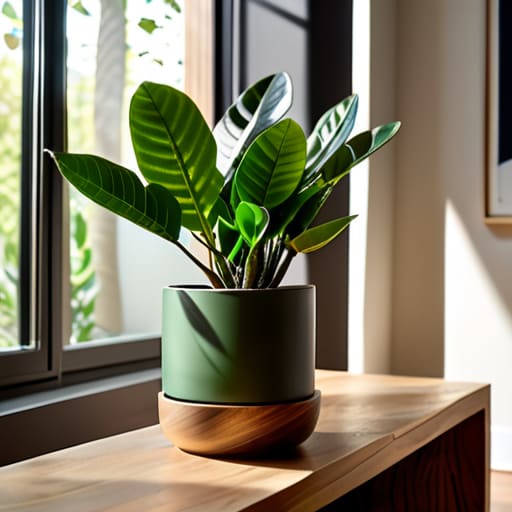
If you truly want to minimize the “maintenance” part of your plant routine, the ZZ plant is your best friend. It has these beautiful, waxy leaves that look almost sculptural, adding a touch of intentionality to your decor without requiring much effort. It’s one of those rare plants that can handle low light and irregular watering with total grace, making it ideal for those of us who travel or have unpredictable work weeks.
Keeping Your Green Space Stress-Free
Start small and stick to low-maintenance varieties so you can build a successful routine without feeling overwhelmed by a demanding care schedule.
Focus on creating a repeatable watering system rather than aiming for perfection; consistency is what keeps your plants—and your peace of mind—thriving.
Finding Your Green Rhythm
At the end of the day, starting your indoor garden isn’t about having a showroom-ready jungle; it’s about finding a few resilient companions that fit into your current lifestyle. Whether you opt for the nearly indestructible Snake Plant, the forgiving Pothos, or the hardy ZZ Plant, the goal is to establish a sustainable routine rather than chasing perfection. Remember to observe how much light your corners actually get and, most importantly, resist the urge to overwater. Once you master the basics of these low-maintenance species, you’ll find that keeping them alive becomes a seamless part of your weekly flow rather than another daunting chore on your to-do list.
Don’t let the fear of a brown leaf hold you back from bringing a little life into your apartment. Even I struggle with my herb garden sometimes, but that’s just part of the process. Gardening is a learning curve, and every mistake is just data for your next attempt. Focus on building a small, green system that supports your mental well-being instead of adding to your stress. Start small, stay consistent, and enjoy the quiet satisfaction of watching something grow under your care.
Frequently Asked Questions
I know these plants are low-maintenance, but how do I actually tell if I'm overwatering them without feeling like I'm just guessing?
Honestly, I used to struggle with this too—I’d water them out of love, only to realize I was actually suffocating them. My rule of thumb? Stop looking at the leaves and start looking at the soil. Stick your finger about two inches deep; if it feels damp or cool, walk away. If it’s bone-dry, it’s time. It feels like guessing at first, but once you trust the soil, the anxiety disappears.
Is there a specific type of light I should be looking for in my apartment, or will these work pretty much anywhere?
That’s a great question, and honestly, it’s where most people trip up. You don’t need a professional setup, but you do need to know your “light zones.” Most of these plants are flexible, but they aren’t magic. If your apartment is north-facing or a bit dim, aim for indirect light near a window. Avoid placing them in harsh, direct afternoon sun unless you want scorched leaves. Just observe where the light naturally hits your space first.