I used to think that saving money meant spending three hours every Sunday clipping coupons from a physical flyer or hunting down obscure “manager’s specials” at three different stores. Honestly? That’s not a system; it’s a second job, and it’s exactly how I ended up feeling completely burnt out by my mid-twenties. I realized that most of the “hacks” floating around online are actually just ways to increase your decision fatigue, making the simple task of learning how to save on groceries feel like a high-stakes math exam.
I’m not here to tell you to live on lentils and tap water. Instead, I want to share the functional systems I’ve built into my own life to keep my kitchen stocked without draining my bank account or my mental bandwidth. We’re going to focus on repeatable, low-effort habits—like strategic meal mapping and smart pantry management—that actually work for a busy freelance life. Let’s stop overcomplicating the grocery run and start reclaiming your time.
Table of Contents
Mastering Meal Planning for Beginners to Reclaim Your Week
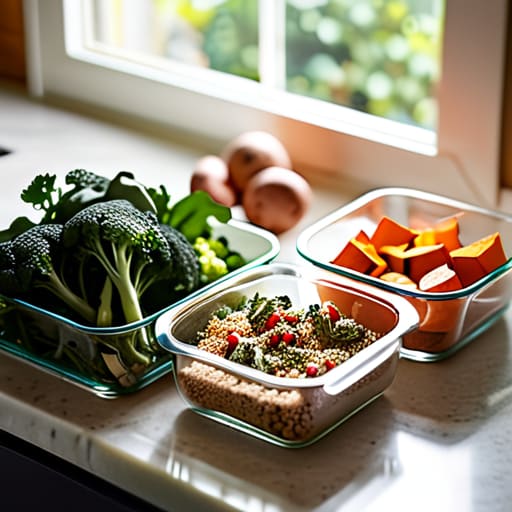
If you’re staring at a fridge full of random ingredients and still feeling like there’s “nothing to eat,” you aren’t alone. That decision fatigue is exactly what drains our energy by Wednesday. To fix this, I recommend starting with meal planning for beginners by focusing on “component cooking” rather than rigid, complex recipes. Instead of deciding exactly what you’ll eat every night, plan a few versatile bases—like a big batch of roasted sweet potatoes or a protein—that can be repurposed across different meals. This approach makes the process feel less like a chore and more like a sustainable rhythm.
Once you have a loose framework, you can start applying some smart grocery shopping tips to keep the costs down. I’ve found that the most effective way to avoid those mid-week impulse buys is to shop your pantry first. Check what you already have before you even touch your notebook, then build your list around those existing staples. By intentionally bridging the gap between what you own and what you need, you’ll find yourself reducing food waste at home and keeping your budget much tighter without feeling deprived.
Smart Grocery Shopping Tips for a Stress Free Kitchen
Once you’ve tackled the meal planning piece, the next step is the execution—the actual trip to the store. I used to walk into the supermarket without a plan, wandering the aisles and grabbing whatever looked good in the moment, only to end up with a fridge full of wilted greens and a receipt that made my eyes water. To fix this, I started leaning into smart grocery shopping tips that focus on discipline over impulse. My biggest game-changer? Never shopping hungry and always sticking to a pre-written list. It sounds basic, but it’s the most effective way to prevent those “just in case” purchases that clutter your pantry and your budget.
I’ve also found that being strategic about what you buy can drastically change your monthly overhead. I’ve become a huge advocate for the store brand vs name brand debate; honestly, for staples like oats, canned beans, or olive oil, the generic versions are often identical in quality but significantly cheaper. If you can, try to lean into seasonal produce shopping as well. Buying strawberries in January is a recipe for a high bill and mediocre flavor, but sticking to what’s currently in season keeps your costs low and your meals much fresher.
The "Inventory First" Approach to Stop Wasting Money
- Before you even touch a grocery app, I need you to do a quick sweep of your pantry and fridge. We’ve all been there—buying a second jar of cumin or a new bag of rice because we couldn’t see the one hiding in the back. By auditing what you already own, you’re essentially creating a “free” meal from your existing stock, which means your actual shopping list becomes much smaller and more intentional.
- Embrace the power of the “Base Ingredient” strategy to cut down on variety costs. Instead of buying expensive, specialized ingredients for every single recipe, pick two or three versatile staples—like a large bag of quinoa, a carton of eggs, or a versatile seasonal veggie—and build your week around them. It feels less like a culinary challenge and more like a streamlined system that keeps your total bill predictable.
- Stop treating grocery shopping like a scavenger hunt and start treating it like a tactical mission. I’ve learned that if I wander aimlessly through the aisles, I’m much more likely to succumb to impulse buys that don’t serve my budget or my meal plan. Stick to your list, shop the perimeter where the whole foods live, and if it’s not on the list, it doesn’t make it into the cart. Your future, less-stressed self will thank you when you check your bank statement.
The Bottom Line: Systems Over Stress
Stop treating grocery shopping as a reactive chore; by implementing a repeatable meal plan and a structured list, you’re not just saving money—you’re saving the mental energy you usually waste on “what’s for dinner?”
Consistency beats perfection every single time, so even if you only manage to prep two meals a week or stick to a strict shopping list half the time, you’re still building the foundation for a more intentional, less chaotic lifestyle.
Building Your Sustainable Food System
At the end of the day, saving money on groceries isn’t about deprivation or living on instant noodles; it’s about intentionality. By implementing a solid meal plan, shopping with a strategic list, and learning to navigate your local aisles more effectively, you are doing more than just lowering your monthly expenses. You are actually reducing the constant decision fatigue that comes with wondering what to cook for dinner every single night. These small, repeatable systems turn a chaotic weekly chore into a manageable, predictable rhythm that works for your budget and your sanity.
Please remember that you don’t have to overhaul your entire kitchen overnight to see a difference. If you only start with one thing—maybe just committing to a single grocery list this week—that is a huge win. The goal is to create a lifestyle that feels sustainable and calm, rather than one that feels like a constant struggle against your bank account. Start small, be kind to yourself when things get messy, and trust that consistency beats perfection every single time.
Frequently Asked Questions
How do I keep my produce from going bad if I'm starting to meal plan for the first time?
The biggest mistake I made early on was buying “just in case” produce. To stop the cycle of wilted greens and wasted money, try the “Eat Me First” bin method. Group anything nearing its end in one clear container in your fridge. Also, treat your herbs like flowers—keep them in a jar of water. It’s a small system, but it keeps your ingredients functional instead of just occupying space.
Is it actually worth the extra time to meal prep on Sundays, or am I just setting myself up for more stress?
Honestly? It depends on how you define “prep.” If you’re trying to cook five elaborate, gourmet meals every Sunday, you’re definitely setting yourself up for burnout. That’s not a system; that’s a second job. But if you focus on “component prepping”—roasting a big batch of veggies or boiling some grains—it’s a total game changer. I use Sundays to reduce decision fatigue, not to create more work. Aim for ease, not perfection.