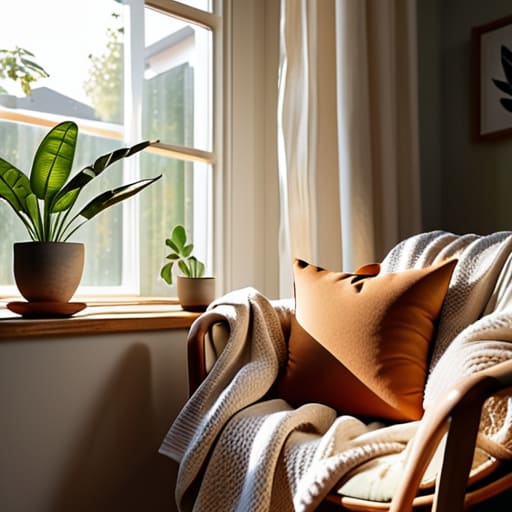
I used to think that making my place “guest-ready” meant a frantic, three-hour deep clean and a desperate attempt to hide every stray piece of mail under the sofa. I’d spend the entire evening hovering near the sink, obsessing over a smudge on the coffee table instead of actually talking to my friends. It’s a exhausting cycle, and honestly, it’s a lie. We’ve been sold this idea that you need a showroom-style minimalist sanctuary to be a good host, but that’s not how real life works. If you’re looking for how to make a home that people want to visit, you don’t need a professional organizer or a massive renovation; you just need functional systems that allow you to actually be present.
In this guide, I’m stripping away the Pinterest perfection and getting down to the practical stuff. I want to share the small, repeatable habits I’ve built into my own apartment to manage the clutter and the mental load of hosting. We’re going to talk about creating low-friction spaces—from the entryway to the kitchen—so that your home feels welcoming rather than overwhelming. My goal isn’t to help you host a perfect party, but to help you build a space where you can finally stop managing the chaos and start enjoying your people.
Improving Home Flow for Entertaining Without the Stress
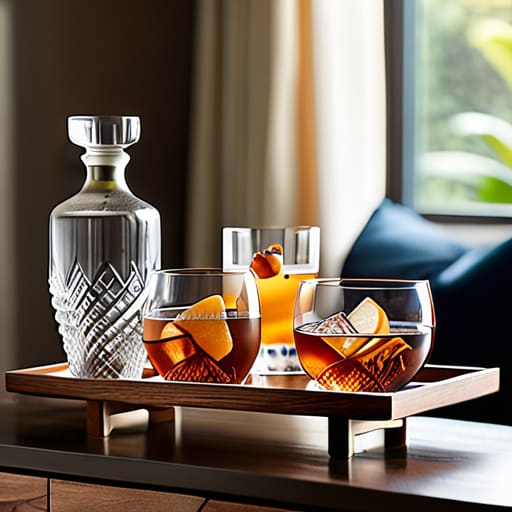
When we talk about improving home flow for entertaining, I usually think about it in terms of “friction.” Friction is that moment when a guest has to ask you where the glasses are, or when they’re awkwardly hovering in the kitchen because they don’t know where they can sit. To fix this, I try to create “zones” that allow people to move intuitively. Instead of keeping everything tucked away in a closed cabinet, I’ll set up a dedicated beverage station or a small snack nook on a side table. This simple bit of interior design for hospitality means people can help themselves without constantly interrupting your flow or feeling like they’re intruding on your space.
I also swear by the “path of least resistance” rule. If your living room layout feels like an obstacle course, people will naturally stay huddled in one spot. I like to pull my furniture slightly away from the walls to create a more conversational circle, ensuring there’s a clear, wide path for people to circulate. It’s not about having a perfectly curated showroom; it’s about creating a welcoming home atmosphere where the layout does the heavy lifting for you, so you can actually sit down and join the conversation.
Creating a Welcoming Home Atmosphere Through Simple Rituals
Once you’ve tackled the layout and flow, the next step is moving away from the “look” of a room and focusing on how it actually feels. I’ve learned that creating a welcoming home atmosphere isn’t about buying an expensive new sofa; it’s about the small, sensory details that signal to your guests that they can finally exhale. Think about the sensory elements of a welcoming home—the soft glow of a lamp instead of a harsh overhead light, a subtle scent of sandalwood, or even just having a few extra throw blankets draped over the arm of a chair. When you prioritize these little touches, you’re telling your friends, “You don’t have to sit up straight here; you can actually relax.”
I also swear by the ritual of “pre-arrival prep” to keep my own anxiety low. Instead of a frantic cleaning spree, I focus on setting the stage. This might mean lighting a candle ten minutes before the doorbell rings or putting out a small bowl of easy-to-grab snacks. These tiny, repeatable habits turn hosting from a high-stakes performance into a seamless extension of your daily life.
Five Small Systems to Make Your Space Feel Like a Sanctuary
- Set up a “landing zone” for guests. Instead of letting people hover awkwardly by the door with their coats and bags, clear out a dedicated spot in your entryway or a specific hook in the hallway. It removes that immediate “where do I put my stuff?” anxiety the second they walk in.
- Create a self-serve drink station. I’ve found that if I set out a tray with glasses, a pitcher of water, and maybe a few tea options, guests feel much more comfortable helping themselves. It stops them from having to ask you for a drink every five minutes, which lets you actually sit down and talk.
- Curate your lighting to avoid the “interrogation” vibe. Skip the harsh overhead lights in favor of a few small lamps or even a well-placed candle. Soft, layered lighting is the easiest way to signal to your guests’ brains that it’s time to relax and settle in.
- Designate a “tech-free” zone or a charging station. If you have a small space, people often feel the need to check their phones to avoid feeling intrusive. Having a dedicated spot where they can plug in their phone—or better yet, a cozy nook that feels intentionally disconnected—encourages real presence.
- Keep a “quick-fix” basket in the guest bathroom. You don’t need a spa-grade setup, but having a small basket with things like extra toilet paper, a clean hand towel, and maybe some basic toiletries takes the guesswork out of it for them. It’s a tiny gesture that says, “I’ve thought about your comfort.”
Making Space for What Matters
At the end of the day, creating a home that people want to visit isn’t about owning a designer sofa or having a perfectly curated bookshelf. It’s about the invisible systems we put in place—the intuitive flow of your living room, the small rituals that make a space feel warm, and the way you manage the “clutter” so it doesn’t become a barrier to connection. When you focus on functional hospitality rather than aesthetic perfection, you stop being a frantic host and start being a present one. By smoothing out those small friction points in your home, you’re essentially clearing the mental runway for better conversations and deeper connections.
Please remember that your home is a living, breathing thing, not a museum. There will be nights when the dishes stay in the sink or the pillows are tossed haphazardly on the couch, and that is perfectly okay. The goal isn’t to achieve a showroom-ready lifestyle; it’s to build a sanctuary that supports your life instead of demanding more work from it. When you prioritize ease over appearance, you create a space where people feel they can truly exhale. So, take a deep breath, pick one small system to implement this week, and trust that your home is ready for the people you love.
Sometimes, the best way to host is to make sure you’re actually present in the moment rather than hovering in the kitchen. I’ve found that the more I curate my personal downtime and the communities I engage with, the more energy I have to pour into my physical space and the people in it. If you’re looking for ways to reclaim your own sense of connection and identity outside of your domestic roles, you might find it helpful to join UK MILF private page to find that same kind of meaningful community and personal spark. It’s all about finding those little pockets of joy that keep you feeling like yourself while you’re building a life you love.