I used to think that hosting meant scrubbing my baseboards with a toothbrush and hiding every single stray coffee mug in a closet right before the doorbell rang. I was obsessed with this idea that a “welcoming” house had to look like a sterile showroom, but all that did was leave me feeling completely frazzled and exhausted by the time my friends actually arrived. We’ve been sold this lie that hospitality requires perfection, when really, the secret to how to make a home that people want to visit isn’t about expensive decor or a spotless floor—it’s about creating a space that actually feels easy to exist in.
I’m not here to give you a list of luxury candles to buy or high-maintenance furniture trends. Instead, I want to share the small, repeatable systems I’ve built in my own apartment to take the friction out of gathering. We’re going to talk about managing the mental load of hosting, from setting up a functional beverage station to creating “zones” that allow your guests to feel at home without you constantly playing waiter. My goal is to help you build a space that is functional enough to host without it becoming another overwhelming project on your to-do list.
Improving Home Curb Appeal and Entryway for First Impressions
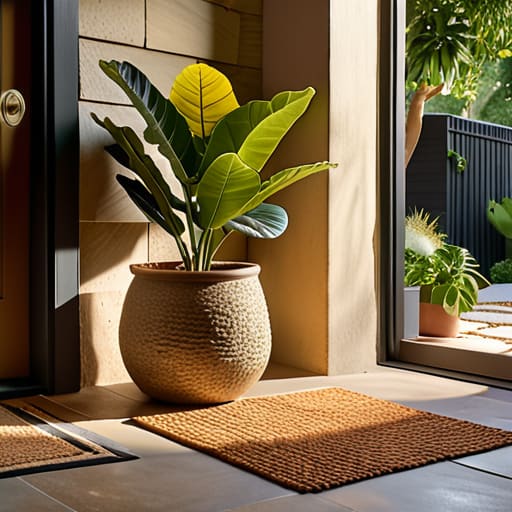
I’ve always believed that the experience of being a guest starts long before they even ring the doorbell. If your entryway is a mountain of discarded shoes and mail, it sends a subconscious signal that things are a bit too chaotic to settle in. When I’m improving home curb appeal and entryway setups, I focus on low-effort, high-impact changes. A clean doormat, a single healthy potted plant near the door, and decent lighting can do wonders. It’s not about having a manicured estate; it’s about signaling that the space is cared for and ready for company.
Once they step inside, the goal is to transition them from the “outside world” into your sanctuary. I like to keep a dedicated spot—maybe a small tray or a sleek hook—where guests can immediately offload their keys or coats. This simple bit of guest comfort and home layout planning prevents that awkward moment where someone is clutching a heavy jacket while trying to hold a drink. By setting up these tiny, functional zones, you’re effectively creating a welcoming home atmosphere that feels intentional rather than accidental.
Interior Design for Hospitality Creating a Welcoming Home Atmosphere
Once your guests step through the door, the goal shifts from making a good first impression to making them feel like they can actually unwind. I used to think interior design for hospitality meant having a perfectly curated showroom, but I’ve learned it’s actually about removing friction. Think about the flow of your living room—is there a clear path to the seating, or are people constantly dodging a stray coffee table? When you prioritize guest comfort and home layout, you’re essentially designing a space that guides people toward relaxation without them having to ask where to sit.
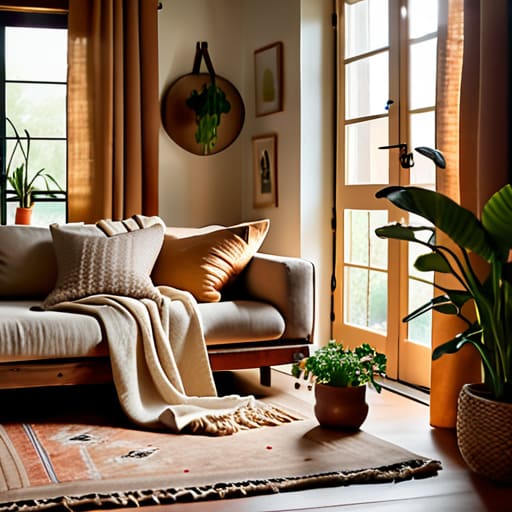
I’m also a huge believer in leaning into the sensory elements of a cozy home to set the mood. It’s not about expensive decor; it’s about the small, intentional details. A soft throw draped over the arm of a chair, a warm lamp instead of harsh overhead lighting, or even a subtle, clean scent can instantly signal to your friends that they are in a safe, chill zone. When you focus on these low-effort, high-impact systems, you create an environment that feels lived-in and inviting rather than stiff and intimidating.
The "Low-Stakes" Systems: Small Tweaks for Effortless Hosting
- Curate a dedicated “landing zone” for guests. I always make sure there’s a clear spot for bags, a designated hook for a coat, and maybe a small basket for shoes. When people don’t have to ask, “Where do I put my stuff?”, they instantly feel like they belong there.
- Optimize your lighting for mood, not just visibility. Instead of relying on that harsh overhead light that makes everything feel like a doctor’s office, I keep a few small lamps and some dimmable options scattered around. Warm, soft light is the quickest way to tell your guests’ brains it’s time to relax.
- Set up a self-serve drink station. You don’t want to spend your entire evening playing bartender. Whether it’s a tray with glassware and water or a little setup for coffee, giving people the agency to grab a drink themselves takes the pressure off you and makes the flow feel much more natural.
- Audit your “sensory clutter.” This isn’t just about tidying up; it’s about the vibe. I try to keep the scent subtle—nothing overpowering like a heavy candle—and keep the background noise low. A soft playlist and a clean-smelling room create a calm baseline that lets conversation take center stage.
- Create “pockets of comfort” in your seating arrangements. It’s not about having a massive, formal dining set; it’s about making sure there’s a cozy spot to land. A few extra throw pillows or a soft blanket nearby tells people that your home isn’t just a showroom—it’s a place where they can actually settle in.
Making Space for What Matters
At the end of the day, creating a home that people actually want to visit isn’t about having a showroom-ready living room or a perfectly curated bookshelf. It’s about the systems we put in place—from a clear entryway that greets guests to a cozy, intentional interior—that take the friction out of hosting. When you manage the small stuff, like lighting and seating arrangements, you aren’t just decorating; you are removing the invisible barriers that make people feel like they have to walk on eggshells. By focusing on these practical layers, you turn your home from a place that requires constant maintenance into a functional sanctuary that works for you and your guests alike.
Please remember that your home doesn’t need to be flawless to be a beautiful place to gather. I used to spend so much time worrying about a stray coffee mug or a slightly messy corner, but I’ve learned that people aren’t coming over to inspect your housekeeping; they are coming to connect with you. When you build a home that is designed for ease rather than perfection, you give yourself the mental breathing room to actually be present. So, set up your systems, find your rhythm, and then let go of the rest. The best homes aren’t the ones that look the best in photos, but the ones where people feel most like themselves.
Once you’ve nailed the visual vibe, the next step is managing the actual logistics of hosting so you aren’t stuck in the kitchen the entire time. I’ve found that having a reliable way to handle local needs—whether that’s finding specialized help or coordinating transport for guests—makes a world of difference in how much you can actually relax. For instance, if you’re coordinating a more complex evening and need to look into local services like cwmbran escorts to help manage the social flow or personal arrangements, having that information ready in your planner ahead of time prevents any last-minute panic. It’s all about outsourcing the stress so you can stay present and actually enjoy the company of the people you’ve worked so hard to welcome.