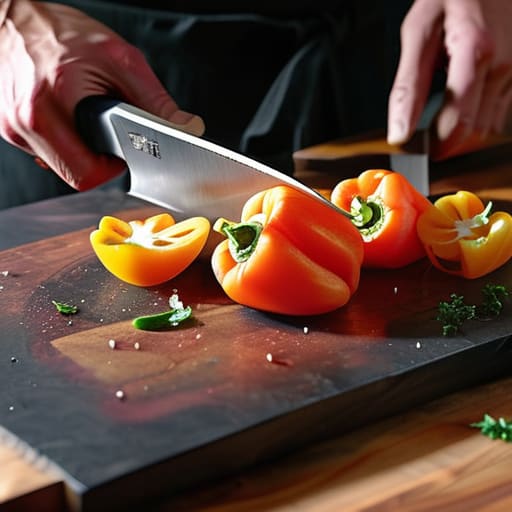
I used to think that “meal prepping” meant spending my entire Sunday afternoon hunched over a cutting board, surrounded by a mountain of onion skins and the overwhelming scent of damp kale. I’d spend hours meticulously chopping everything, only to find that by Wednesday, half of it was a mushy, sad mess in the bottom of my fridge. We’ve been sold this idea that knowing how to prep vegetables has to be a massive, aesthetic production involving glass containers and hours of free time, but honestly? That’s just a recipe for burnout.
I’m not here to give you a Pinterest-perfect lifestyle overhaul; I want to give you a system that actually works for a busy, real-world schedule. I’m going to show you my specific, low-effort approach to how to prep vegetables so you can stop staring at a pile of chaos when you’re actually hungry on a Tuesday night. We’re going to focus on functional prep—the kind that saves your sanity and keeps your food fresh—without turning your kitchen into a second full-time job.
Table of Contents
Essential Kitchen Tools for Vegetable Prep and Better Knife Skills
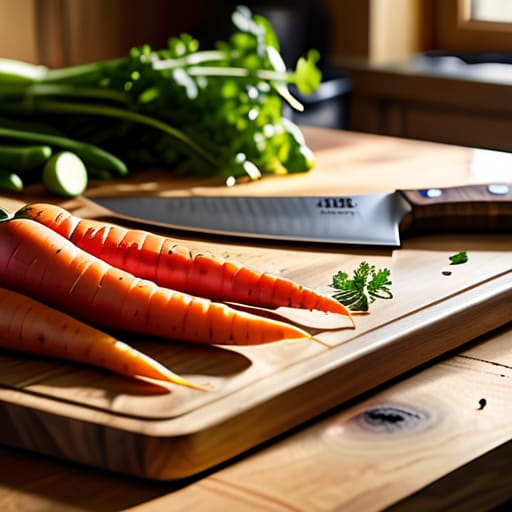
Before we dive into the actual chopping, let’s talk about the gear. You don’t need a professional chef’s suite, but you do need a few reliable pieces of kitchen tools for vegetable prep that won’t fail you mid-slice. If you’re just starting out, a sharp 8-inch chef’s knife and a heavy, stable cutting board are non-negotiable. I used to try using those tiny serrated knives for everything, but I quickly learned that dull blades are actually more dangerous because they slip. Investing in one decent knife makes a massive difference in your confidence and speed.
Once you have the hardware, the real game-changer is practicing your knife skills for cooking in small, manageable bursts. Don’t feel like you have to dice an entire mountain of onions in one sitting. Instead, focus on a consistent grip and a steady rhythm. As you get more comfortable, you’ll find that the process becomes almost meditative—a nice little mental reset before the evening rush. Just remember: it’s better to go slow and steady than to rush and end up with unevenly cooked pieces.
Batch Cooking Vegetables to Simplify Your Busy Weekdays
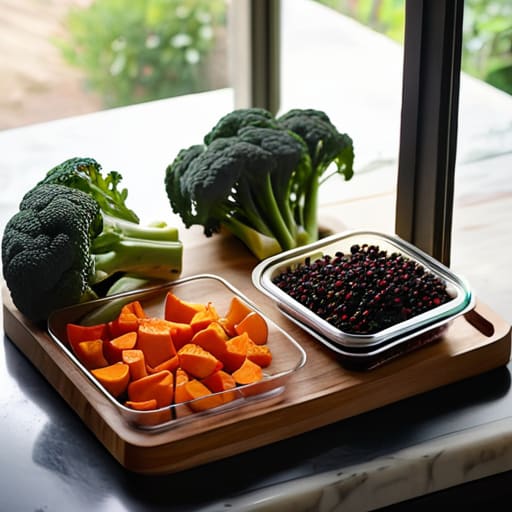
Once you’ve mastered your knife skills, the real magic happens when you stop prepping for a single meal and start prepping for the week. I used to think batch cooking vegetables meant spending my entire Sunday hovering over a stove, but I’ve learned that it’s much more effective to think in “components.” Instead of making full recipes, I roast a massive tray of seasonal root vegetables and steam a batch of hardy greens. Having these ready to grab means you can pivot from a grain bowl on Monday to a quick pasta dish on Wednesday without starting from scratch.
The biggest hurdle for most people practicing meal prep for beginners isn’t the cooking itself—it’s the inevitable wilt. To avoid wasting your hard work, I rely on a few specific vegetable storage tips to keep everything crisp. For instance, I always let roasted veggies cool completely before sealing them in airtight glass containers; trapping steam inside is the fastest way to turn a crisp pepper into a soggy mess. If you treat your fridge like a curated pantry rather than a junk drawer, you’ll find that staying healthy feels significantly less like a chore.
Three Small Systems to Keep Your Prep From Becoming a Chore
- Stick to the “Wash and Dry” rule immediately. There is nothing more frustrating than pulling out a container of pre-cut peppers only to find they’ve turned into a soggy, sad mess because they weren’t dried properly. If you’re washing them ahead of time, use a salad spinner or pat them down thoroughly with paper towels before they hit the container. Moisture is the enemy of longevity.
- Group your prep by “use case” rather than just vegetable type. Instead of just having a pile of chopped onions, try prepping a “base mix” of aromatics—onions, garlic, and maybe some ginger or celery—that you can grab in one go for almost any sauté or soup. It turns a multi-step process into a single, mindless movement.
- Use clear, stackable glass containers to keep your progress visible. I’ve learned the hard way that if I put my chopped broccoli in an opaque plastic tub at the back of the fridge, it’s basically invisible until it starts to wilt. When I can see exactly what’s ready to go at a glance, I’m much more likely to actually use it instead of reaching for a delivery app.
Making It Stick: My Two Golden Rules for Prep Success
Don’t try to prep everything at once; start by picking just two versatile veggies—like bell peppers or onions—to chop and store so you don’t feel overwhelmed by a mountain of Tupperware.
Invest in decent airtight containers and a sharp knife, because a messy workspace and dull blades turn a helpful habit into a frustrating chore that you’ll eventually want to avoid.
Finding Your Flow in the Kitchen
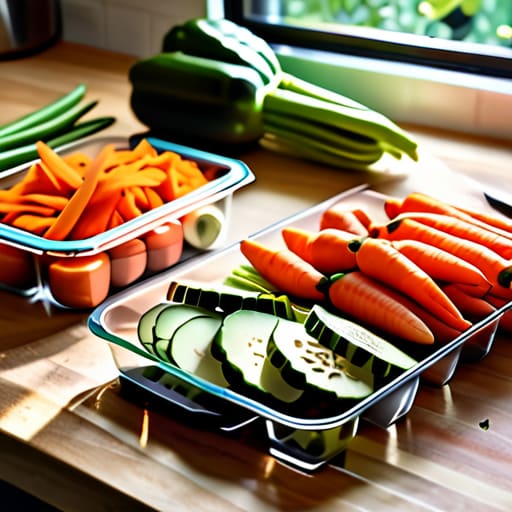
At the end of the day, mastering your vegetable prep is about more than just having chopped carrots ready in a container. It’s about having the right tools, honing those knife skills, and building a batch-cooking rhythm that actually works for your specific lifestyle. Whether you’re spending thirty minutes on a Sunday evening or just prepping a few staples after work, the goal is to remove the friction between you and a healthy meal. When the hard work is already done, you aren’t just saving time; you’re saving yourself from that mid-week decision fatigue that usually leads to expensive, unplanned takeout.
Please remember that you don’t have to do this all at once. If your current system feels overwhelming, just start with one vegetable or one specific day of the week. Systems are meant to serve you, not to become another chore on your never-ending to-do list. Be kind to yourself as you experiment with what sticks. Once you find your groove, you’ll realize that a little bit of intentional organization creates so much more room to actually breathe and enjoy the life you’re working so hard to build.
Frequently Asked Questions
How do I keep my prepped veggies from getting slimy or wilted in the fridge by Wednesday?
The “Wednesday Wilt” is the absolute worst—there’s nothing more frustrating than prepping with good intentions only to find a container of mushy greens by midweek. The secret is moisture management. For leafy greens, tuck a dry paper towel into your container to soak up excess humidity. For hearty veggies like carrots or celery, store them submerged in a jar of water. It keeps them incredibly crisp and stops that dreaded slime before it starts.
Is it actually worth the extra time to chop everything at once, or should I just do it as I go?
Honestly? If you’re looking for a way to lower your mental load, batching is the winner every single time. Doing it “as you go” feels fine in theory, but when you’re tired on a Wednesday, that pile of unpeeled carrots feels like a mountain. I’ve found that spending forty minutes on a Sunday to chop everything at once saves me hours of decision fatigue and frantic cleanup during the week. It’s an investment in your future sanity.