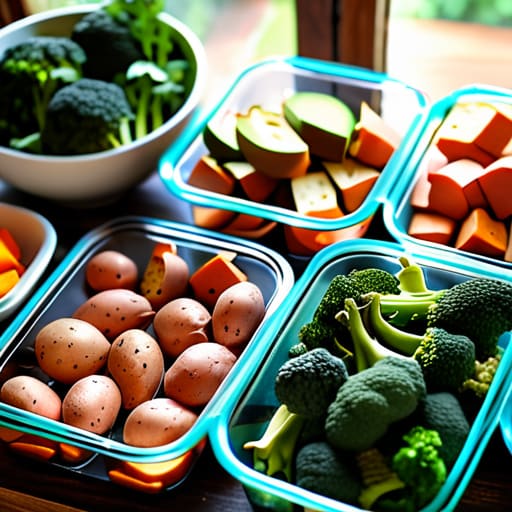
We’ve all been there: it’s 6:30 PM on a Tuesday, your brain is completely fried from back-to-back client calls, and you’re staring blankly into a fridge that contains nothing but half an onion and some wilted spinach. When I first started freelancing, I used to treat nutrition like an afterthought, which usually meant expensive, salt-heavy takeout became my default. I realized that I didn’t need a Pinterest-perfect pantry; I just needed healthy meal prep ideas that didn’t feel like a second full-time job. The goal isn’t to spend your entire Sunday hovering over a stove, but to build a sustainable rhythm that supports your energy levels instead of draining them.
In this post, I’m breaking down three specific, low-friction systems I use to keep my kitchen running smoothly without the burnout. We’re going to skip the complicated recipes and focus on component prepping, smart batching, and “assembly-style” meals. By the end of this, you’ll have a toolkit of ideas designed to eliminate decision fatigue so you can actually enjoy your dinner instead of fighting with it.
Table of Contents
The Component Method
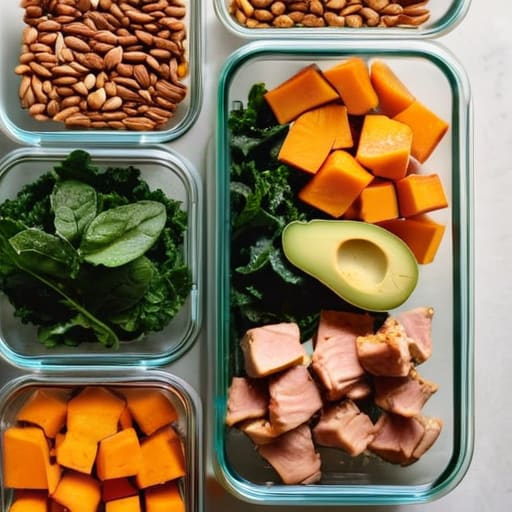
I used to fall into the trap of making elaborate, single-dish meals every Sunday, only to realize by Wednesday that I couldn’t stand the thought of eating that specific lasagna one more time. Now, I swear by the component method. Instead of cooking full recipes, I prep individual building blocks: a big batch of roasted sweet potatoes, a tray of seasoned chicken breasts, and a jar of washed greens. It’s much more forgiving because it allows for unexpected cravings to be met without starting from scratch.
Sauce-Driven Flavor Rotation
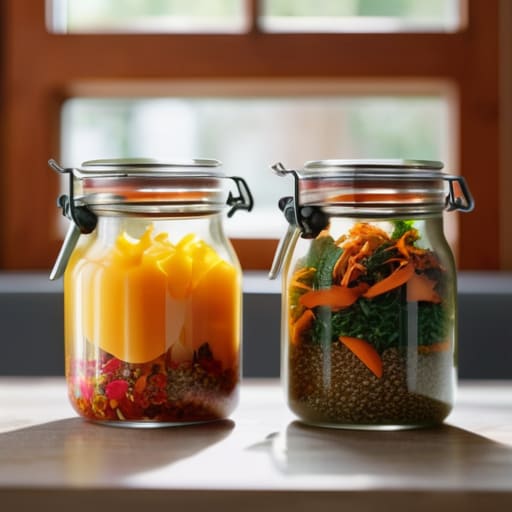
If you want to keep healthy food from feeling like a chore, you have to prioritize flavor, but you don’t need to cook complex sauces every week. My little secret is keeping a rotation of high-quality dressings and sauces in the fridge. I usually prep one creamy element (like a lemon-garlic yogurt) and one acidic element (like a spicy vinaigrette). This is the easiest way to make the same base ingredients feel like entirely different cuisines.
The "Wash and Chop" Foundation
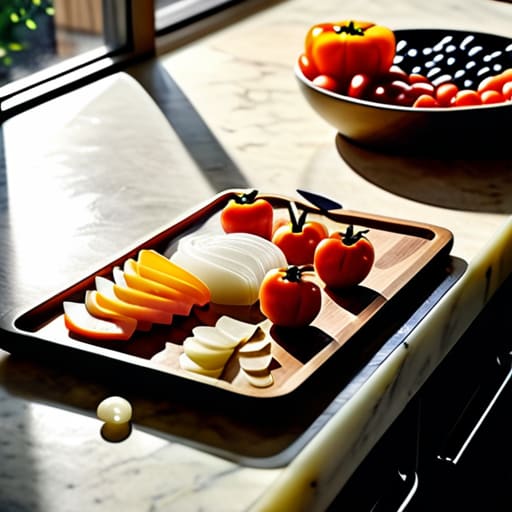
Most of the time, the reason I end up ordering takeout isn’t because I don’t have food, it’s because the food requires too much manual labor to get ready. I’ve learned that the most productive thing I can do during my Sunday reset isn’t actually cooking—it’s the prep work. I spend about thirty minutes just washing my berries, chopping onions, and slicing bell peppers so they are ready to grab.
The Bottom Line
Forget the idea of a “perfect” meal prep Sunday; focus instead on building a low-friction system that actually works for your specific energy levels throughout the week.
The goal isn’t to become a gourmet chef overnight, but to use organized prep to eliminate decision fatigue so you can stop stressing about dinner and start actually enjoying your evening.
Finding Your Rhythm
At the end of the day, meal prepping isn’t about achieving some unattainable standard of culinary perfection or spending your entire Sunday in a flour-dusted kitchen. It is simply about building a low-friction foundation that supports your busiest days. Whether you choose to batch-cook hearty grains, prep versatile roasted vegetables, or just assemble easy protein bowls, the goal is the same: reducing the number of decisions you have to make when your energy is at its lowest. By implementing these small, repeatable systems, you aren’t just preparing food; you are protecting your future self from the chaos of decision fatigue and takeout cravings.
Please remember that if a system doesn’t work for you, you are allowed to scrap it and try something else. Maybe batch cooking feels too heavy, or maybe you prefer a “component prep” style where everything stays separate. There is no right way to do this, only the way that actually works for your life. Don’t let the pressure to be “organized” become another source of stress. Focus on making your nutrition feel manageable, and let the rest fall into place. You’ve got this.
Frequently Asked Questions
I don't have much counter space in my kitchen; how can I meal prep without feeling like I'm drowning in Tupperware?
I totally get it—small kitchens can make meal prepping feel like a high-stakes game of Tetris. My rule is to ditch the “big batch” mindset and switch to component prepping instead. Instead of filling a dozen containers with full meals, prep versatile staples like a big jar of grains, roasted veggies, and a protein. Keep them in a single stack, then just grab what you need for each bowl. It saves space and prevents that overwhelming Tupperware mountain.
How do I keep my prepped meals from tasting like "leftovers" by the time Thursday rolls around?
The “leftover” funk usually comes from two things: moisture and texture. If you’re microwaving a bowl of mushy, steamed veggies, it’s going to feel depressing by Thursday. Try “component prepping” instead of full meals. Keep your grains, proteins, and roasted veggies in separate containers. That way, you can reheat the base but add fresh, crunchy elements—like a handful of raw greens, toasted seeds, or a quick squeeze of lime—right before eating. It makes a world of difference.