I used to think that learning how to meal plan meant I had to transform into some kind of Pinterest-perfect domestic goddess, spending my entire Sunday afternoon prepping dozens of identical glass containers filled with kale and quinoa. Honestly? That approach was a fast track to burnout. I’d spend three hours in the kitchen only to find myself ordering takeout by Wednesday because I was too exhausted to even look at my “organized” fridge. The internet makes it seem like this high-stakes chore, but for me, it’s actually the opposite.
I’m not here to sell you on a lifestyle that requires a culinary degree or a massive grocery budget. Instead, I want to show you how to build small, repeatable systems that actually work for a busy, real-world schedule. We’re going to strip away the fluff and focus on practical ways to manage your kitchen so you can stop staring blankly at the pantry at 6 PM. My goal is to help you master the basics of how to meal plan in a way that actually creates mental space rather than adding more work to your plate.
Table of Contents
Meal Prep for Beginners Building Systems That Actually Stick
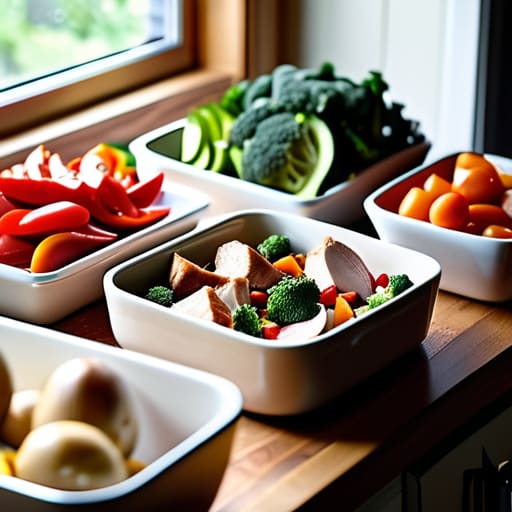
The biggest mistake I see people make when they first start is trying to turn their Sunday into a marathon cooking competition. If you try to prep twenty different elaborate recipes at once, you’re going to burn out by week two. Instead, I recommend focusing on batch cooking strategies that prioritize versatility. Think of it as preparing components rather than finished meals. If you roast a big tray of seasoned chicken, boil a pot of quinoa, and chop a mountain of veggies, you have the building blocks for five different lunches. This way, you aren’t eating the exact same Tupperware meal five days in a row, which is the fastest way to lose motivation.
Another way to keep the momentum going is through better grocery list organization. I used to wander the aisles aimlessly, throwing things in the cart based on whim, only to realize I’d forgotten the one thing I actually needed for dinner. Now, I group my list by the layout of my local store—produce, pantry, dairy, etc. It sounds small, but it significantly reduces the time spent in the store and keeps your spending in check. When you have a system for how you shop, you’re much more likely to stick to your plan without the mid-week panic.
Budget Friendly Meal Planning Without Sacrificing Your Sanity
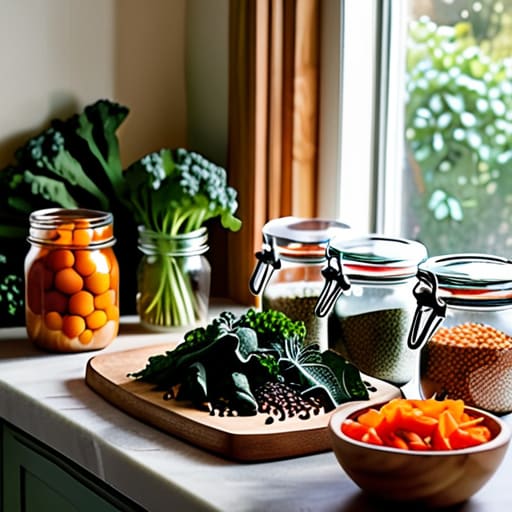
One of the biggest misconceptions I encountered when I first started freelancing is that eating well has to be expensive. It doesn’t. Real budget friendly meal planning isn’t about hunting for obscure superfoods; it’s about mastering the art of the pantry staple. I’ve learned that leaning heavily on versatile bases—like dried lentils, rice, or seasonal veggies—is the secret to keeping costs down without feeling like you’re eating “survival food.” When you build your meals around what’s actually on sale, you stop overspending on impulse buys that just end up wilting in the crisper drawer.
To make this work, I swear by a strict routine of grocery list organization. I never step foot in a store without a plan mapped out in my notebook, categorized by aisle to prevent that aimless wandering that leads to expensive snack hauls. I also love using batch cooking strategies to stretch my dollar; if I’m roasting a tray of sweet potatoes on Sunday, I’m making enough to toss into a grain bowl on Wednesday. It’s about working smarter, not harder, so your bank account and your stomach both stay happy.
Three Small Wins to Keep Your System Running
- Audit your pantry before you touch a grocery app. I used to buy a second jar of cumin every single week because I couldn’t remember if I had any left, only to find three half-used ones hiding in the back of the cupboard. Spend five minutes checking what you actually have so you aren’t wasting money or creating clutter you don’t need.
- Build “template meals” into your rotation. You don’t need a brand-new recipe every night; that’s a recipe for burnout. Instead, have a few go-to frameworks—like a “grain bowl night” or a “sheet pan protein and veg night”—that you can swap ingredients in and out of. It removes the decision fatigue that usually hits right around Tuesday evening.
- Don’t aim for a full week of prep if you’re just starting. If the idea of spending my entire Sunday in the kitchen feels daunting, I don’t do it. Instead, I try “component prepping”—roasting a big batch of sweet potatoes or cooking a pot of quinoa. It’s much more flexible and feels a lot less like a chore.
The Bottom Line
Don’t aim for a Pinterest-perfect pantry; aim for a system that works for your actual Tuesday night energy levels.
Start small by planning just three meals a week to build the habit without the overwhelm.
Finding Your Rhythm
At the end of the day, meal planning isn’t about achieving some Pinterest-perfect aesthetic or having a dozen identical Tupperware containers lined up in your fridge. It’s really just about building a few small, repeatable systems—whether that’s a simplified grocery list, a budget-friendly pantry staple, or a low-effort prep session—that work for your specific life. Remember, the goal isn’t to become a professional chef; it’s to reduce the decision fatigue that hits you right when you’re most exhausted. If a system feels too heavy or complicated, toss it out and try a smaller version.
Please be kind to yourself as you navigate this. Some weeks, your system will run like a well-oiled machine, and other weeks, you’ll probably end up ordering takeout because life simply got in the way. That is perfectly okay. The beauty of these systems is that they are meant to serve you, not the other way around. Focus on progress over perfection, and use the mental space you gain to actually enjoy your meals. You’ve got this.
Frequently Asked Questions
How do I meal plan if my schedule changes every week and I can't commit to a set routine?
If your schedule is a moving target, stop trying to plan specific meals for specific days. That’s a recipe for guilt when Tuesday’s meeting runs late and your “Taco Tuesday” becomes “Cold Cereal Wednesday.” Instead, plan by components. Prep a batch of grains, two proteins, and some roasted veggies. When your schedule shifts, you aren’t looking for a recipe; you’re just assembling a quick, healthy bowl from your prepped building blocks.
I hate spending my entire Sunday in the kitchen—is there a way to do this without spending hours prepping every single meal?
I totally hear you. The “marathon meal prep” where you spend five hours sweating over a stove is exactly what leads to burnout. Instead of prepping full meals, try “component prepping.” Just roast a big tray of veggies, cook a batch of grains, and prep one protein. It takes way less time, and you can mix and match them throughout the week so you aren’t eating the exact same Tupperware salad every single day.