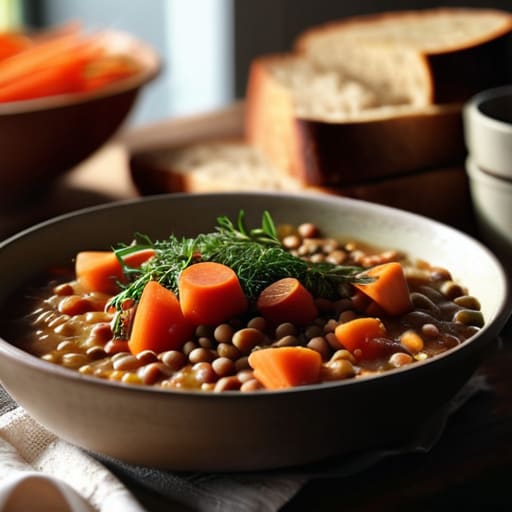
I used to think that learning how to cook on a budget meant I had to accept a lifetime of bland lentils and sad, unseasoned rice. I’m so tired of the “budget hack” influencers telling you that you need a hundred specialized gadgets or a complete lifestyle overhaul just to save twenty dollars at the grocery store. Honestly, that kind of advice is just more mental clutter we don’t need. Real efficiency isn’t about deprivation; it’s about building a kitchen system that actually works with your real life, not against it.
I’m not here to sell you on some unrealistic meal-prep fantasy that takes five hours every Sunday. Instead, I want to share the practical, repeatable systems I’ve used to keep my pantry stocked and my bank account steady without losing my mind. We’re going to focus on smart ingredient overlapping, minimizing waste, and creating a workflow that makes feeding yourself feel effortless rather than like another exhausting chore on your to-do list.
Table of Contents
Building Systems Through Meal Planning for Savings
I used to think meal planning meant spending my entire Sunday afternoon meticulously prepping twenty identical Tupperware containers, but that just led to burnout. Now, I view meal planning for savings as a way to reduce decision fatigue rather than a chore. Instead of staring blankly at the fridge on a Tuesday night, I sit down with my notebook once a week to map out meals based on what I already have. This shift from “what do I want to eat?” to “what can I make with these ingredients?” is where the real magic happens.
The secret to making this sustainable is leaning heavily on affordable pantry staples like lentils, rice, and canned tomatoes. These aren’t just cheap fillers; they are the foundation of a reliable system. When you build your weekly menu around these versatile items, you’re not just saving money—you’re also reducing food waste, which is one of the biggest hidden costs in a modern kitchen. By focusing on a few core ingredients that can be repurposed in different ways, you create a workflow that feels intentional rather than restrictive.
Curating Your Arsenal of Affordable Pantry Staples
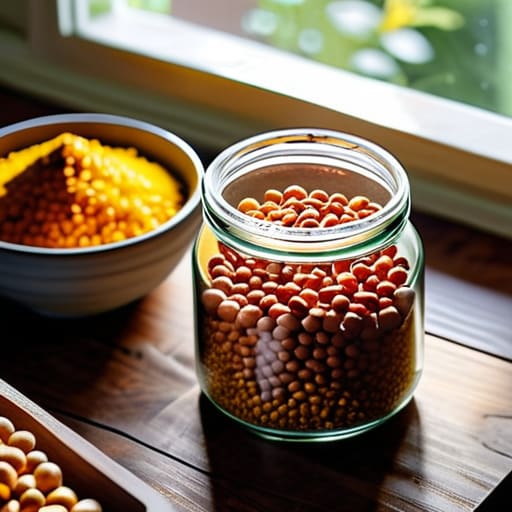
I’ve learned the hard way that the most expensive way to eat is by starting from scratch every single time you walk into the kitchen. When my cupboards are bare, I end up panic-ordering takeout because the mental energy required to figure out a meal feels too high. To combat this, I focus on building a foundation of affordable pantry staples that act as a safety net. I’m talking about the heavy lifters: dried lentils, jasmine rice, canned chickpeas, and a variety of spices. These aren’t just ingredients; they are the building blocks that turn a random assortment of leftovers into a cohesive meal.
The secret to making this work without feeling like you’re living on survival rations is variety within a framework. By keeping a rotation of grains, legumes, and long-lasting aromatics like garlic and onions, you create a toolkit for low cost meal prep ideas that actually taste good. Instead of seeing a pantry as a collection of cans, I try to view it as a modular system. When you have these basics on hand, you aren’t just saving money—you’re reclaiming the ability to cook spontaneously without the guilt of a mounting grocery bill.
Three Small Shifts to Protect Your Peace (and Your Wallet)
- Master the art of “component cooking” rather than rigid recipes. Instead of getting stressed about a specific dish, prep a few versatile elements—like a big batch of roasted sweet potatoes, a pot of quinoa, or some seasoned black beans. When you have these building blocks ready in the fridge, you can assemble a meal in five minutes without the impulse to order takeout because you’re “too tired to cook.”
- Learn to shop your own kitchen before you hit the store. I used to make the mistake of buying a new jar of cumin just because I thought I was out, only to find three half-used ones hiding in the back of my pantry. Before you make your list, do a quick five-minute scan of your cupboards. It prevents duplicate spending and forces you to get creative with what you already own.
- Embrace the “frozen over fresh” rule for certain categories. While I love a crisp head of lettuce, I’ve learned that frozen peas, spinach, and berries are absolute lifesavers for a budget. They’re often more nutrient-dense because they’re flash-frozen at peak ripeness, they won’t wilt and die in your crisper drawer after three days, and most importantly, they significantly reduce food waste—which is just throwing money in the trash.
The Bottom Line for a Functional Kitchen
Stop treating grocery shopping like a weekly scavenger hunt; by leaning on a curated pantry and a repeatable meal plan, you’re not just saving money—you’re reclaiming the mental energy you usually waste on the “what’s for dinner?” panic.
Focus on building systems, not perfection; it’s much better to have a simple, sustainable routine of basic staples than a complex, expensive meal prep ritual that you abandon after three days.
Finding Your Flow in the Kitchen
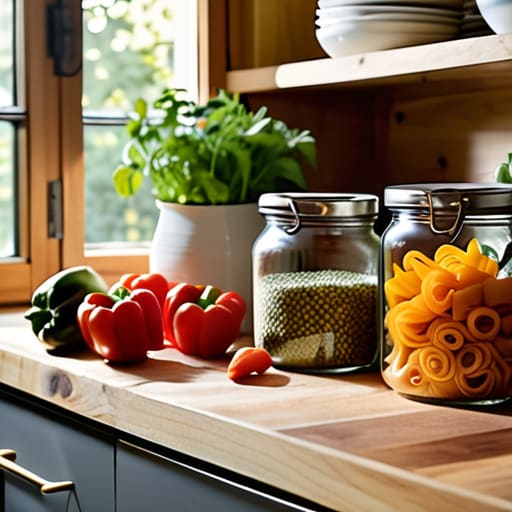
At the end of the day, cooking on a budget isn’t about deprivation or eating the same bland meal every single night. It’s about the systems we’ve discussed—moving away from impulsive grocery runs and toward a curated pantry and a predictable meal plan. When you stop treating every dinner like a high-stakes decision and start leaning on your repeatable kitchen systems, you reclaim so much mental energy. You aren’t just saving money; you’re reducing the decision fatigue that usually hits right around 6:00 PM when you’re exhausted.
Please remember that you don’t have to implement every single one of these changes by Monday morning. Start small. Maybe this week you just focus on one new pantry staple, or perhaps you just try planning three dinners instead of five. The goal isn’t to achieve a perfectly aesthetic, zero-waste kitchen; it’s to build a setup that actually works for your real life. Be patient with yourself as you find your rhythm. Once you master the chaos, you’ll finally have the space to actually enjoy the food you make.
Frequently Asked Questions
How do I stay consistent with meal planning when my work schedule gets unpredictable and I'm too exhausted to think about recipes?
When my freelance projects go into overdrive, my meal plan is usually the first thing to crumble. My rule? Build a “low-capacity” menu. On those days, don’t aim for a recipe; aim for a formula. Keep a list of three 10-minute meals—like pesto pasta or loaded avocado toast—that require zero brainpower. When you’re exhausted, don’t fight the chaos; just pivot to your pre-planned, low-effort backups so you aren’t left ordering expensive takeout.
Is it actually cheaper to buy in bulk, or am I just spending more money upfront on things that might go to waste?
It’s a valid concern, and honestly, I used to fall into that trap constantly. The short answer? Bulk buying is only a win if it fits your actual consumption patterns. If you buy a massive bag of quinoa because it’s cheaper per ounce, but half of it sits in your pantry for six months until it goes stale, you haven’t saved money—you’ve just pre-paid for trash. Stick to bulk for non-perishables you use daily.