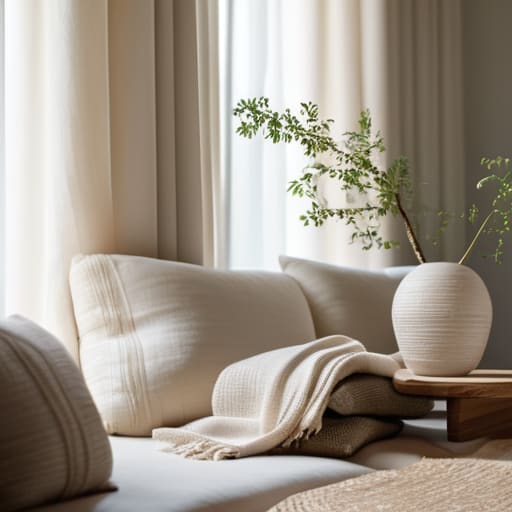
I remember sitting on the floor of my first studio apartment three years ago, surrounded by half-unpacked boxes and a sense of total overwhelm. I was staring at a bland, beige wall and scrolling through endless Pinterest boards, feeling like I needed a massive inheritance just to make the space feel like actually home. The internet loves to sell us this myth that “budget decorating ideas” means buying a mountain of cheap, plastic trinkets from a big-box store that just end up as clutter by next season. But let’s be real: filling a room with inexpensive junk isn’t decorating; it’s just creating more visual noise that drains your mental energy.
I’m not here to give you a shopping list of things you don’t need. Instead, I want to share the practical, repeatable systems I’ve used to turn small, rented spaces into functional sanctuaries without breaking my freelance budget. We are going to focus on intentional shifts—like lighting, texture, and layout—that make a room feel curated rather than cluttered. My goal is to help you build a space that supports your lifestyle, proving that you can create a beautiful, calm environment through smart, low-cost tweaks rather than sheer spending.
Table of Contents
- Thrift Store Decor Finds Curating Meaningful Spaces Without the Chaos
- Repurposing Old Furniture to Create Functional Beautiful Systems
- The Small-Scale Shifts: Low-Cost Ways to Reset Your Visual Environment
- Small Shifts for a More Intentional Home
- Designing for Sanity: Final Thoughts
- Frequently Asked Questions
Thrift Store Decor Finds Curating Meaningful Spaces Without the Chaos
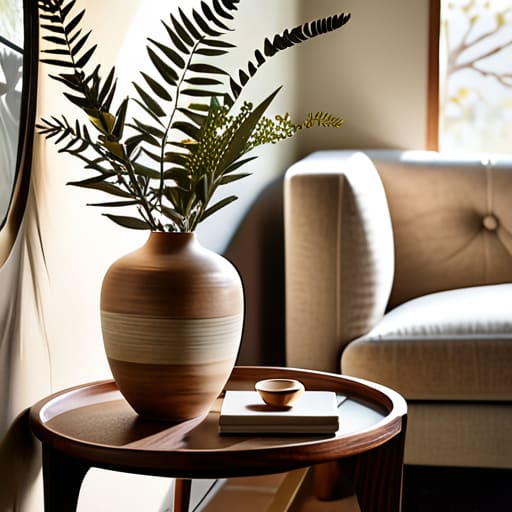
I used to think that a “curated” home required a massive credit card limit, but my time spent hunting through local charity shops taught me otherwise. The secret to successful thrift store decor finds isn’t about buying everything that looks cute; it’s about looking for pieces with good bones that fit your specific functional needs. I always keep my eyes peeled for solid wood frames or heavy ceramic vases—items that feel substantial and intentional rather than cluttered.
When I find a piece that’s a bit weathered, I don’t see it as a flaw; I see it as an opportunity for repurposing old furniture to suit my space. A quick sand and a coat of matte paint can turn a dated side table into a minimalist staple that actually holds my heavy art books. This approach keeps my spending low while ensuring my home feels collected over time, rather than just bought all at once from a big-box retailer.
Repurposing Old Furniture to Create Functional Beautiful Systems
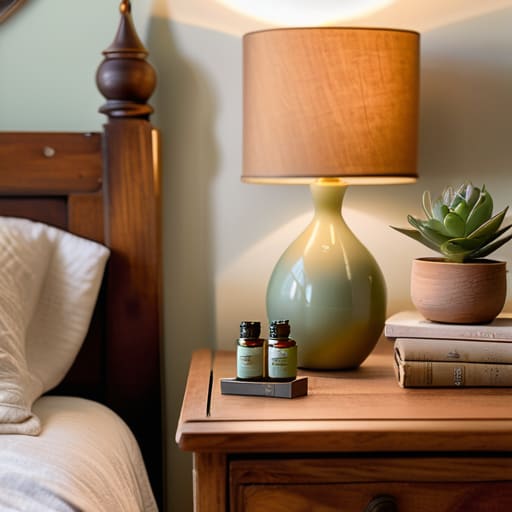
I’ve always felt that the most soul-less part of modern decorating is buying everything in a matching set from a big-box retailer. It looks clean, sure, but it lacks character. Instead, I’ve found so much joy in repurposing old furniture to fit my specific needs. Last month, I took an old, slightly wobbly wooden nightstand I found at a yard sale and gave it a quick sand and a coat of matte sage paint. Now, it’s not just a place for my lamp; it’s a dedicated station for my yoga journals and essential oils.
The trick to making this work without it feeling like a cluttered craft project is to focus on intentionality. If you’re looking for a diy home makeover on a budget, don’t just paint something because you’re bored; paint it because it solves a problem. Maybe an old dresser needs new, modern hardware to feel less heavy in a small room, or perhaps a vintage chair just needs a fresh slipcover to bridge the gap between “dated” and “curated.” It’s about creating pieces that serve a function while still feeling like they belong in your world.
The Small-Scale Shifts: Low-Cost Ways to Reset Your Visual Environment
- Focus on Lighting to Set the Mood: I’ve learned the hard way that harsh overhead lighting is the enemy of a calm home. Instead of buying expensive new fixtures, swap out your bulbs for warmer tones or add a few inexpensive floor lamps in dark corners. It’s a tiny investment that completely changes how a room feels when you’re winding down for the evening.
- Curate Your Surfaces to Reduce Visual Noise: We often think decorating means adding more, but sometimes it’s about editing. Pick one or two meaningful items—maybe a ceramic bowl from a local maker or a stack of books you actually love—and give them space to breathe on your coffee table or sideboard. When you clear the random clutter, the things you actually care about finally stand out.
- Use Greenery as a Living Design Element: If a corner feels cold or unfinished, don’t reach for a plastic knick-knack. Grab a simple terracotta pot and a hardy plant like a Pothos. It’s much cheaper than high-end art, and the bit of life it brings into a room makes the whole space feel more intentional and grounded.
Small Shifts for a More Intentional Home
Focus on curation over collection; every piece you bring into your space should serve a purpose or bring you genuine calm, rather than just adding to the visual noise.
View decorating as a series of small, manageable systems rather than one giant project, allowing you to build a home that feels functional and personal without the financial or mental burnout.
Designing for Sanity: Final Thoughts
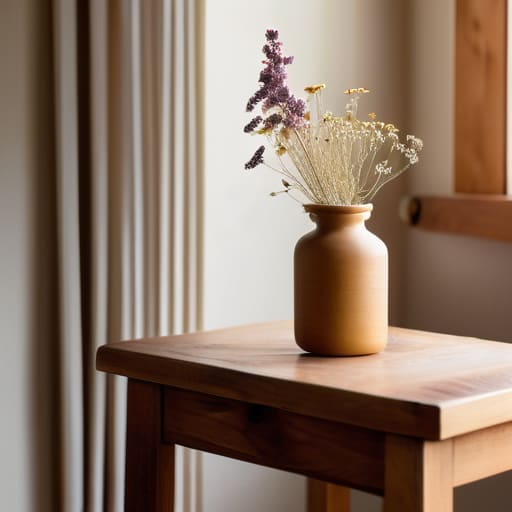
At the end of the day, decorating on a budget isn’t about following every fleeting trend you see on social media; it’s about building a home that actually works for you. Whether you are hunting for hidden gems at a local thrift shop or taking a weekend to sand down and repurpose an old wooden side table, the goal is the same: creating a space that feels intentional. By focusing on curated pieces rather than mass-produced clutter, you’re not just saving money—you’re building a foundation of functional beauty that supports your daily rhythms instead of adding to your mental load.
Please remember that your home is a living, breathing project, not a finished museum piece. There is no deadline for having a “perfect” living room, and there is certainly no shame in taking things one small, manageable step at a time. Focus on the systems that make your life easier and the small touches that bring you genuine peace. When you stop chasing perfection and start prioritizing purposeful design, you’ll find that you finally have the mental space to actually sit back, breathe, and enjoy the life you’ve built.
Frequently Asked Questions
How do I make thrifted or repurposed pieces look cohesive in my home so they don't just look like a collection of random clutter?
The secret is to stop thinking about matching colors and start thinking about a “visual thread.” I always try to pick one or two unifying elements—like a consistent metal finish (think all brushed brass) or a shared texture—to tie everything together. Even if a chair and a side table are from different decades, if they both share a similar wood tone or a common minimalist silhouette, they’ll feel like they belong to the same intentional system rather than just being random clutter.
What are some low-cost ways to update my decor if I'm renting and can't make permanent changes like painting or changing fixtures?
When you’re renting, your biggest enemies are the landlord’s beige walls and those outdated light fixtures. Since we can’t pick up a paintbrush, I focus on “layering.” Start with textiles—a textured rug or some linen throw pillows can instantly soften a room. Swap out your standard lightbulbs for warmer tones, or use plug-in sconces to add ambiance without wiring. It’s all about creating a mood through things you can actually pack up and take with you.