I used to think that mastering the kitchen meant owning a $200 high-tech cooker or following some overly complicated, multi-step ritual involving specialized rinsing bowls and exact scientific measurements. Honestly, the internet makes it feel like a chemistry experiment, but I’m here to tell you that most of that is just unnecessary noise. If you’ve ever stared down a pot of gummy, overcooked mush or—even worse—crunchy, underdone grains, you know how frustrating it is to waste time and ingredients on a basic staple. I finally realized that learning how to cook rice perfectly isn’t about fancy gadgets; it’s about mastering a simple, repeatable system that works every single time.
I’m not going to give you a lecture or a list of expensive equipment you don’t need. Instead, I want to share the no-nonsense method I’ve refined through years of trial, error, and way too many wasted batches in my tiny apartment kitchen. I’ll walk you through the basic ratios and the small, intentional tweaks that actually matter, so you can stop guessing and start trusting your process. My goal is to get you a reliable result with minimal mental load, leaving you with more energy to actually enjoy your meal.
Table of Contents
The Rinsing Ritual Why Rinsing White Rice Changes Everything
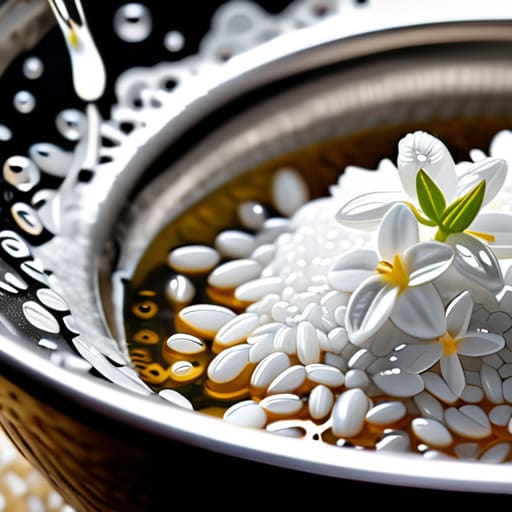
I used to think that skipping the rinse was just a way to save thirty seconds, but I quickly learned that lesson the hard way. If you’ve ever ended up with a bowl of gummy, clumping grains, it’s likely because of the excess surface starch. Rinsing white rice isn’t just an extra step; it’s the most effective way of avoiding mushy rice and ensuring every single grain stays distinct and fluffy.
When I’m prepping for a busy week, I treat this as a non-negotiable part of my kitchen workflow. I grab a fine-mesh strainer, pour the grains in, and run cold water over them until the water runs clear rather than cloudy. It’s a small, tactile moment that sets the stage for everything else. Whether you prefer the precision of cooking rice in a rice cooker or the classic stovetop method, this quick ritual is the secret to getting that professional, clean texture every single time.
Finding Your Flow Mastering the Rice to Water Ratio
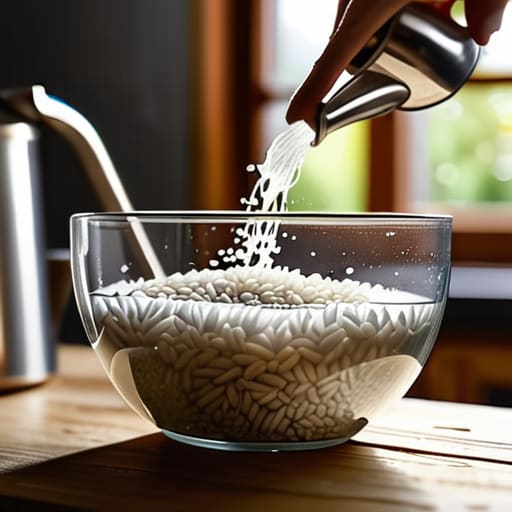
Once you’ve finished rinsing, the next step is where most people lose their rhythm: the ratio. I used to treat this part like a guessing game, which inevitably led to a pot of gummy, uninspired grains. To keep things simple, I rely on a standard rice to water ratio of 1:2 for most long-grain varieties. If you’re using a rice cooker, you can often follow the lines on the inner pot, but if you’re sticking to the stovetop rice method, I find that using a physical measuring cup is the only way to ensure consistency.
The trick to avoiding mushy rice is realizing that different grains have different personalities. Basmati needs a bit more discipline, while jasmine is more forgiving. I always keep a little note in my journal about the specific types of rice cooking times I’ve tested, because once you find that sweet spot for your specific brand, you can stop hovering over the stove and actually get back to your life.
Three Small Tweaks for a Better Batch
- Don’t touch the lid. I know it’s tempting to peek during those last few minutes to see if it’s done, but every time you lift that lid, you’re letting out the steam that’s actually doing the work. Trust the process, keep the lid sealed, and let the heat do its thing.
- Let it rest before you dive in. This is the step most people skip because they’re hungry, but giving your rice five to ten minutes to sit off the heat allows the moisture to redistribute. It’s the difference between a sticky mess and grains that actually hold their shape.
- Use a fork, not a spoon. When you finally go in to fluff the rice, use a fork to gently lift and separate the grains. A spoon tends to mash them together, and we’re aiming for light and airy, not a heavy clump of starch.
The Low-Stress Rice Cheat Sheet
Don’t skip the rinse; it’s the easiest way to prevent that gummy, over-starched texture and keep your grains distinct.
Trust your ratio, but keep an eye on the steam—once it’s done, let it sit undisturbed for ten minutes so the moisture redistributes itself naturally.
From Chaos to Consistency
At the end of the day, mastering rice isn’t about following a rigid, scientific formula; it’s about building a reliable habit. Once you’ve embraced the rinsing ritual to clear out that excess starch and you’ve nailed your specific water ratio, the guesswork simply disappears. You aren’t just making a side dish anymore; you’re implementing a small, repeatable system that ensures a successful meal every single time you step into the kitchen. No more staring at a pot of mushy grains or wondering why your rice is sticking to the bottom.
I know that when life feels overwhelming, even something as simple as cooking dinner can feel like another heavy task on your to-do list. But I promise you, once you automate these tiny kitchen workflows, you’ll find that the mental load lightens significantly. Let this be one less thing you have to worry about. Focus on the joy of the meal and the people you’re sharing it with, rather than the stress of the process. You’ve got this, and your kitchen is officially under control.
Frequently Asked Questions
What do I do if I realize I’ve added too much water halfway through the process?
Don’t panic—this happens to the best of us. If you realize the pot looks more like a soup than a grain bed, grab a slotted spoon or a fine-mesh strainer immediately. Drain the excess water, return the rice to the pot, and let it simmer uncovered for a few extra minutes. You might lose a tiny bit of volume, but you’ll save the texture and prevent that dreaded, mushy mess.
Is there a way to make this work if I'm using a rice cooker instead of the stovetop method?
Honestly, the rice cooker is my secret weapon for low-maintenance living. It takes the guesswork out of the timing, which is a huge mental win. Just follow the same rinsing ritual we talked about, then use the same ratio you mastered for the stovetop. Once you hit “start,” you’re done. It’s the ultimate “set it and forget it” system—perfect for those nights when you just need to reclaim your evening.