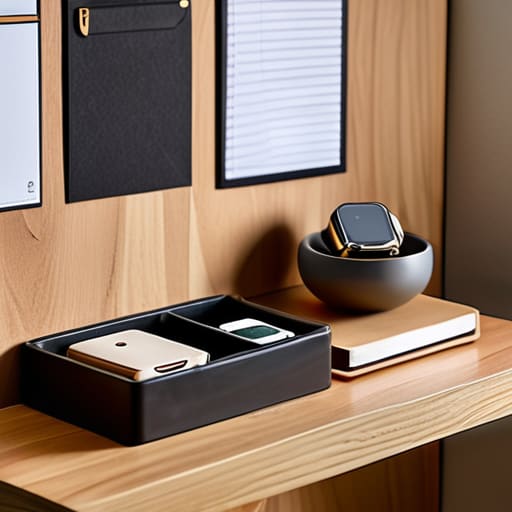
I used to think that successful home entry organization required a massive, built-in mudroom with custom cubbies and expensive wicker baskets that looked great in a magazine but held zero actual weight. I spent way too much time trying to force my life into a “Pinterest-perfect” mold, only to end up with a pile of mail and stray keys sitting on the floor anyway because the system was too precious to actually use. Honestly, if a system is so fragile that one misplaced umbrella ruins it, it’s not a system—it’s a chore.
I’m not here to sell you on a lifestyle overhaul or a trip to a high-end boutique; I just want to help you stop the morning scramble. I’m going to share the low-maintenance, high-impact setups I’ve actually used in my own apartment to manage the chaos. We’re going to focus on small, repeatable habits and functional tools that work for real life, so you can finally walk through your front door and actually feel at peace.
Table of Contents
Small Entryway Decluttering Tips for a Functional Foyer
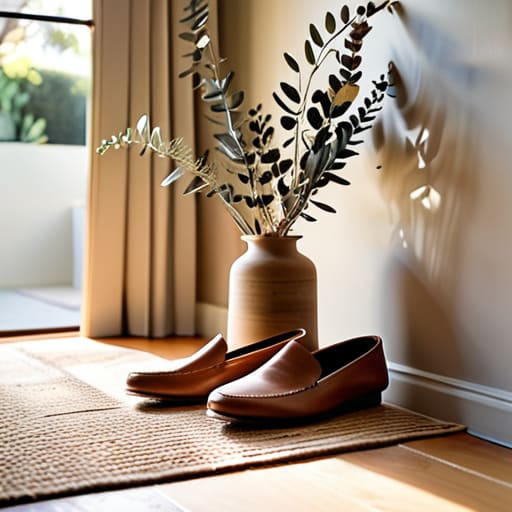
Before you start buying fancy baskets or expensive shelving, you have to face the reality of what’s actually sitting on your floor. My biggest mistake early on was trying to organize things I didn’t even use. Start by doing a quick sweep: if you haven’t worn those shoes in six months or that umbrella is broken, it doesn’t belong in your foyer. When applying small entryway decluttering tips, I’ve found that the goal isn’t to have a showroom; it’s to clear the visual noise so you don’t feel overwhelmed the second you walk through the door.
Once the excess is gone, focus on giving every “high-traffic” item a permanent home. If you’re working with a tight space, an entryway bench with storage is a total game-changer for tucking away seasonal gear or stray slippers. For the smaller, more annoying stuff—like those endless piles of envelopes and loose change—I swear by a dedicated spot for organizing mail and small items. Even a simple tray or a small wall-mounted pocket can prevent that “junk pile” from migrating onto your dining table.
Building a Command Center for Families and Organizing Mail
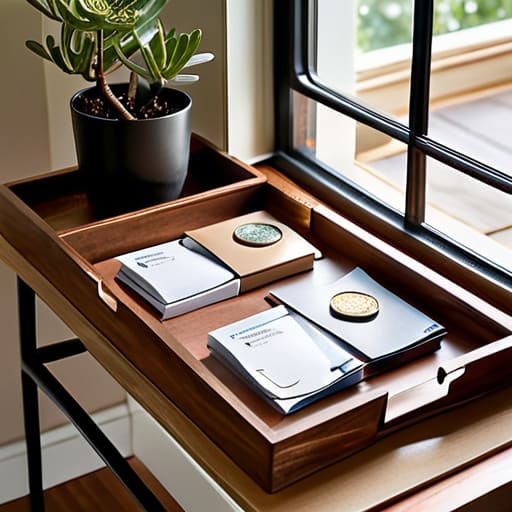
If your entryway feels like a landing strip for random scraps of paper and school permission slips, you don’t need a massive renovation; you just need a central hub. I’ve found that setting up a command center for families is the single best way to stop the “where is that letter?” panic. Even in a small space, a simple wall-mounted organizer or a slim console table can act as the designated zone for everything important. The trick is to create specific slots for different categories—one for incoming bills, one for school flyers, and perhaps a small tray for things like spare change or sunglasses.
When it comes to organizing mail and small items, the goal is to prevent them from migrating onto your kitchen counters. I’m a huge fan of using small, attractive baskets or even a stylish desktop file organizer to keep the paper trail contained. If you have a bit more room, an entryway bench with storage underneath is a total game-changer. It gives you a place to sit while you lace up your shoes, and more importantly, it provides a hidden spot to tuck away those seasonal items or bulky bags that usually end up cluttering the floor.
Three Simple Ways to Keep the Chaos at the Door
- Create a “Launchpad” for your essentials. I realized a few months ago that I was losing ten minutes every morning just looking for my keys or my work badge. Instead of hoping I’d remember where I put them, I set up a dedicated tray on the console table. Now, my keys, sunglasses, and wallet have one—and only one—home. It’s a tiny change, but it saves so much morning brainpower.
- Implement a “One-In, One-Out” rule for footwear. Entryways tend to become graveyard sites for shoes we don’t actually wear every day. I started keeping only the shoes I use for my daily commute or quick errands in a small basket near the door, and everything else goes into a closet. It keeps the floor clear and prevents that overwhelming “cluttered” feeling the second you walk through the door.
- Set up a quick “Reset Station” for bags and coats. We’ve all been there—dropping a heavy bag or a bulky coat right in the middle of the floor because we’re tired. I found that if I don’t have a functional hook or a sturdy basket within arm’s reach, the mess just accumulates. Even if you don’t have a fancy mudroom, just adding a couple of heavy-duty wall hooks can stop the pile-up before it starts.
Final Thoughts on Making Your Entryway Work for You
Focus on function over aesthetics; a messy-looking bin that actually holds your keys is better than a beautiful tray that stays empty.
Start small with one repeatable habit, like a designated “landing strip” for your daily essentials, to prevent the clutter from creeping back in.
Finding Your Flow
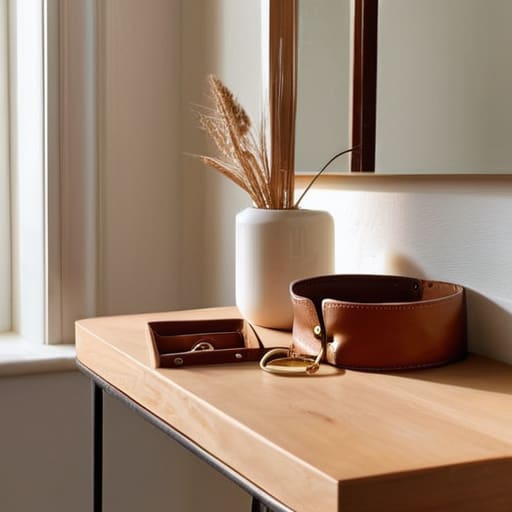
At the end of the day, organizing your entryway isn’t about achieving some unattainable, magazine-ready aesthetic. It’s really just about the small, practical wins we talked about: clearing the surface clutter, setting up a dedicated spot for your mail, and creating a functional command center that actually works for your specific routine. When you implement these tiny, repeatable systems, you stop fighting your environment and start working with it. The goal is to make sure that when you walk through your front door, you aren’t immediately met with a mental to-do list of misplaced keys and tangled leashes.
Please remember to be kind to yourself as you trial these new setups. Some weeks, the system will hold perfectly, and other weeks, the pile of shoes will inevitably win. That is okay. Life is messy, and your home is meant to be lived in, not just looked at. Focus on building sustainable habits rather than seeking perfection. Once you reclaim that small bit of space at your entrance, you’ll find you have a little more room to breathe throughout the rest of your day.
Frequently Asked Questions
What if I live in a tiny apartment with absolutely no dedicated entryway or foyer space?
I totally get it—I spent three years in a studio where my “entryway” was literally just the side of my sofa. When you don’t have a foyer, you have to create “micro-zones.” Use a small, stylish basket on a bookshelf for keys, or even a decorative wall hook right next to the door for your bag. The goal isn’t to find a room for these things, but to claim a tiny, consistent spot so they don’t migrate to your dining table.
How often should I actually sit down to reset these systems so they don't just become another pile of clutter?
Honestly, don’t aim for a massive monthly overhaul—that’s how systems go to die. I swear by a “Sunday Reset.” Just fifteen minutes every Sunday evening to clear the mail pile, prep your keys, and check your bag for stray receipts. If things feel like they’re sliding, do a quick 5-minute sweep every night before bed. The goal isn’t perfection; it’s just keeping the momentum so the chaos doesn’t win.