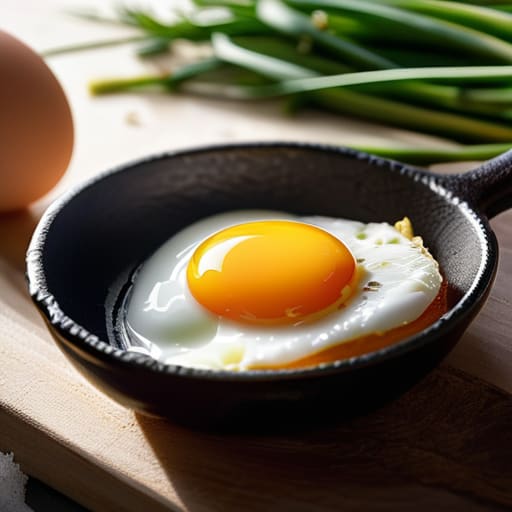
I used to spend way too much time scrolling through gourmet cooking blogs, looking for the “perfect” technique, only to end up with a rubbery, overcooked mess that felt like a personal failure. We’ve been told that learning how to cook eggs requires expensive non-stick pans or some high-end culinary degree, but honestly? That’s just unnecessary noise. Most of those complex tutorials add layers of stress to a meal that is supposed to be your simplest, most reliable fuel.
I’m not here to give you a masterclass in French gastronomy; I want to give you a repeatable system. I’ve spent years refining a few foolproof methods that work every single time, whether you have five minutes before a client call or you’re winding down on a slow Sunday morning. I’ll show you how to master the basics so you can stop overthinking your breakfast and actually enjoy your morning routine.
Table of Contents
Egg Protein Science Why Small Changes Matter
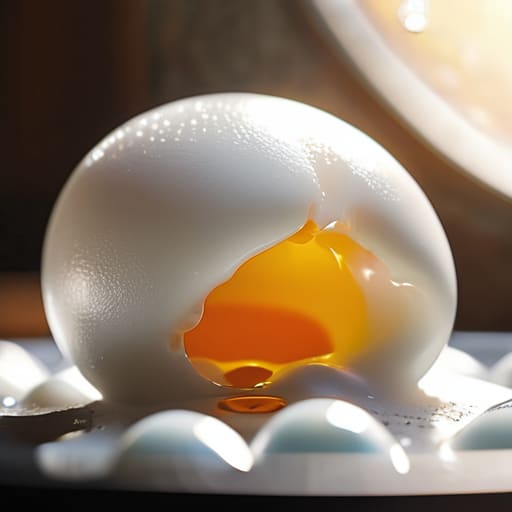
I know, I know—talking about the science of breakfast sounds a little intense for a Tuesday morning. But here’s the thing: once you understand a little bit of egg protein science, you stop fighting the pan and start working with it. Essentially, egg proteins are like tiny, tightly wound balls of yarn. When you apply heat, those balls unravel and then tangle together to create a solid structure. If you rush the process with too much heat, they tangle too tightly, leaving you with something rubbery and unappealing.
The goal isn’t to become a chemist; it’s just to realize that temperature control is your best friend. Whether you are looking for specific scrambled egg texture tips or trying to nail a perfect yolk, it all comes down to how gently you manage that heat. Small adjustments to your stove dial can be the difference between a breakfast that feels like a chore and one that feels like a small, delicious win for your morning routine.
The Best Way to Fry Eggs Without the Chaos
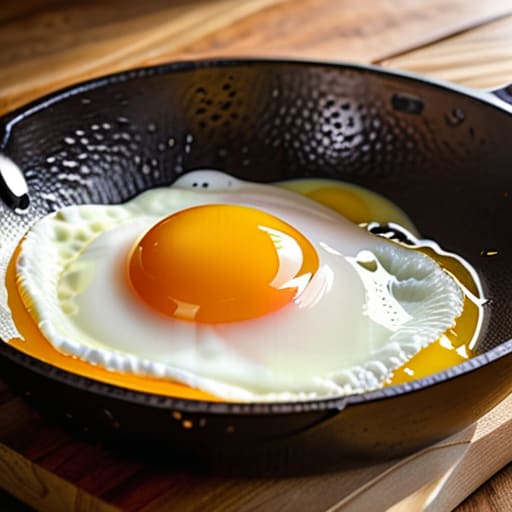
If you’re like me, the goal isn’t to become a Michelin-star chef; it’s just to get a decent breakfast on the table without a sink full of greasy pans. The best way to fry eggs without feeling like you’re performing surgery is to stop treating the pan like a battlefield. I’ve learned that the secret isn’t fancy equipment, but mastering your egg cooking temperatures before the shell even hits the pan. If the oil is smoking, you’ve already lost the battle to rubbery edges.
I usually opt for a small non-stick skillet and a knob of butter. Once that butter starts to foam—but before it turns brown—drop your eggs in. You want that gentle sizzle, not a violent pop. This low-and-slow approach keeps the whites tender while the yolk stays liquid gold. It’s a small, repeatable system that turns a frantic morning into a controlled, delicious routine.
Three Small Tweaks for a Stress-Free Breakfast
- Invest in a reliable non-stick pan. I learned the hard way that trying to fry eggs in a worn-out stainless steel pan is a recipe for a messy kitchen and a frustrated morning. A good quality non-stick surface means less scrubbing for me and a much smoother transition from stove to plate.
- Get your eggs to room temperature if you have the extra two minutes. I know, it sounds like a lot of effort when you’re just trying to fuel up, but cold eggs hitting a hot pan can cause that uneven, rubbery texture. Letting them sit out for a moment makes the whole cooking process much more predictable.
- Keep a small “prep station” ready. Before I even turn on the burner, I make sure my salt, pepper, and maybe a little hot sauce are already within arm’s reach. It sounds tiny, but it prevents that frantic, mid-cook scramble for seasoning that usually ends with me burning the edges of the egg.
The Bottom Line: Keep It Simple
Focus on mastering one reliable heat setting rather than chasing perfection; consistency is what actually makes your morning routine feel sustainable.
View your kitchen tools as part of a system—having your pan and spatula ready to go reduces the mental friction of starting a meal.
Mastering Your Morning Routine
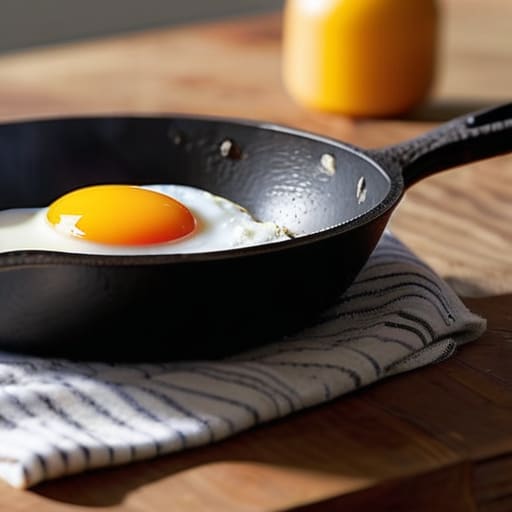
At the end of the day, cooking the perfect egg isn’t about chasing culinary perfection or following a complex recipe. It’s about understanding that small adjustments—like mastering your heat settings or choosing the right pan—can completely change your morning experience. Once you have these reliable systems in place, you stop fighting with your breakfast and start enjoying it. Whether you’re opting for a quick scramble or a carefully fried egg, remember that consistency is your best friend when you’re trying to streamline your daily flow.
Don’t let the fear of a messy pan or a broken yolk keep you from practicing. Like anything else in life, the goal isn’t to be a master chef overnight; it’s simply to build a routine that feels effortless and manageable. When you take control of these tiny, repeatable tasks in your kitchen, you’re actually reclaiming a little bit of mental space for yourself. So, grab your spatula, find your rhythm, and trust the process—you’ve got this.
Frequently Asked Questions
How do I know if my eggs are still fresh enough to cook without having to crack them first?
The easiest way to check without making a mess is the float test. Grab a glass of water and drop your egg in. If it sinks to the bottom and lays flat, you’re good to go. If it stands upright on the bottom, it’s getting older, but still safe to eat—just use it for something like hard-boiling. If it actually floats to the surface? Toss it. Don’t risk it; just start fresh.
Is there a way to prep eggs in advance so I'm not scrambling to cook them every single morning?
Honestly, the “morning scramble” is exactly what I try to design out of my life. If you’re looking to reclaim those ten minutes, hard-boiling is your best friend. I usually prep a batch of six on Sunday nights; they stay perfect in the fridge for a week. If you prefer something more substantial, try a crustless veggie quiche in a muffin tin. You can grab one, reheat it, and go. Systems over stress, always.