I still remember sitting on a flattened cardboard box in my very first studio, surrounded by a mountain of “essential” decor I’d bought on impulse, only to realize I didn’t even own a single can opener or a decent way to hang a towel. Most online guides will try to sell you a dream of a fully curated, Pinterest-perfect lifestyle, but that’s not how real life works. A true first apartment checklist shouldn’t be about the aesthetic; it should be about the functional systems that stop you from spiraling when you realize you’re eating cereal out of a coffee mug because you forgot to buy bowls.
I’m not here to help you decorate a showroom; I’m here to help you build a home that actually functions. My goal is to strip away the fluff and give you a pragmatic, no-nonsense guide to the absolute essentials you need to manage the chaos of moving. We’re going to focus on the high-impact items that create mental space, ensuring your new place feels like a sanctuary from day one rather than a source of constant, low-grade stress.
Table of Contents
Mastering the Move Your Essential Moving Day Essentials Checklist
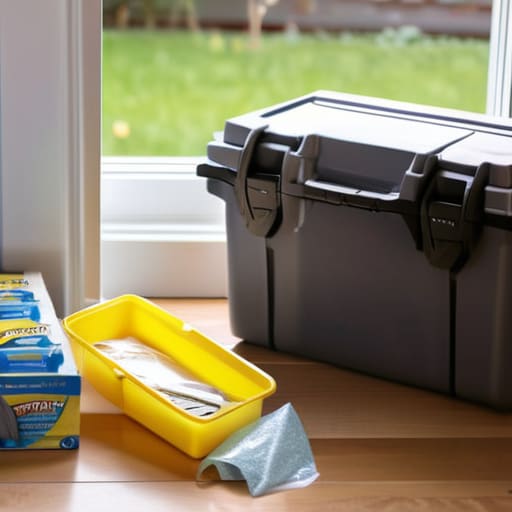
When the moving truck finally pulls up, your brain is likely going to be in a state of total sensory overload. To keep from spiraling, I always recommend having a dedicated “survival box” that stays with you in your car rather than buried in the back of the truck. This is your core moving day essentials checklist: a roll of heavy-duty tape, a box cutter, a multi-tool, and plenty of trash bags. I also make sure to pack a small kit of first apartment cleaning supplies—think disinfecting wipes, a sponge, and all-purpose spray—so you can wipe down the inside of your cabinets before you even think about unpacking a single plate.
Once the heavy lifting is done, your focus will naturally shift to making the space feel lived-in. Instead of trying to unpack everything at once, prioritize your kitchen. Having your essential kitchenware for new renters—like a single pot, a good knife, and a coffee maker—ready to go will prevent that “I can’t even make toast” feeling of exhaustion. It’s all about building those small, functional wins early on so the apartment starts feeling like a home rather than just a collection of cardboard boxes.
Setting the Foundation Essential Kitchenware for New Renters and Beyond
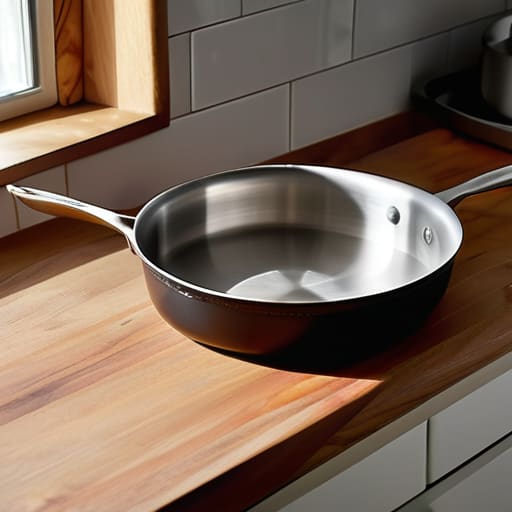
When it comes to the kitchen, it’s easy to get swept up in the “aesthetic” side of things, but I always tell my clients to focus on utility first. You don’t need a 20-piece professional chef’s set to make a decent meal; you just need a few reliable tools that won’t fail you when you’re tired after work. Start with a solid chef’s knife, a versatile non-stick skillet, and a medium saucepan. These are the true essential kitchenware for new renters because they cover about 90% of your cooking needs.
I also highly recommend investing in a few high-quality containers for meal prepping. Having a few glass or BPA-free plastic bins right away helps you implement a sustainable food system from week one, preventing that expensive habit of ordering takeout because your fridge looks like a chaotic mess. If you can, grab a basic set of measuring tools and a sturdy cutting board too. Building these small, functional layers early on means you won’t be scrambling to find a spatula in the middle of your first real dinner party.
The "Invisible" Essentials: Systems to Prevent Early Burnout
- Prioritize your lighting before you even unpack a box. Most rental apartments come with those harsh, soul-sucking overhead lights that make a space feel cold and clinical. Grab a couple of warm-toned floor lamps or even some simple plug-in sconces; creating soft, intentional lighting is the fastest way to make a strange new space feel like a sanctuary rather than a temporary staging ground.
- Build a “Command Center” immediately. I know it sounds extra, but designate one small spot—a tray on the entryway table or a specific hook by the door—for your keys, mail, and that physical notebook I’m always carrying. If you don’t create a dedicated home for your most important daily items on day one, you’ll spend your first month in a constant, low-grade state of panic looking for your keys.
- Don’t underestimate the power of a “Utility Kit.” Before you get deep into the fun of decorating, make sure you have a basic toolkit (screwdriver, hammer, measuring tape, and level) and a stash of heavy-duty trash bags and cleaning supplies. There is nothing more draining than realizing you need to tighten a loose cabinet handle or wipe down a shelf, only to realize you don’t have the tools to actually do it.
Small Wins for a Smooth Start
Focus on functional systems first; don’t feel pressured to buy every aesthetic gadget right away—prioritize the tools that actually make your daily routine feel manageable.
Build your home in layers, starting with your core essentials so you can stop feeling overwhelmed and start feeling settled.
Finding Your Rhythm
Moving into a new space is a massive undertaking, but it becomes so much more manageable once you stop looking at the giant mountain of tasks and start focusing on the individual systems. From having your moving day survival kit ready to ensuring your kitchen is stocked with the basics, every small item you check off is a step toward reducing your future mental load. Remember, you don’t need to buy every single gadget or decor piece on day one; focus on the functional essentials first so you can actually live in your space rather than just managing it.
At the end of the day, your apartment is more than just a collection of furniture and checklists—it is the foundation for your new life. There will be moments of chaos, misplaced keys, and unpacked boxes, and that is perfectly okay. Don’t let the pursuit of a “Pinterest-perfect” home distract you from the joy of making a space that truly feels like yours. Build your systems slowly, be kind to yourself during the transition, and soon enough, you’ll realize you’ve created a peaceful sanctuary that works for you.
Frequently Asked Questions
How do I decide what to actually buy versus what I can wait to get once I've settled into the space?
I always use the “First Week Rule.” If you can’t perform a basic daily ritual without it—like making coffee or washing a single bowl—buy it now. Everything else? Let it wait. I’ve learned the hard way that buying a massive spice rack or a fancy air fryer before I even know where the outlets are is just adding mental clutter. Live in the space for a week first; let your actual habits tell you what’s missing.
What are some small, budget-friendly ways to organize my new place so I don't feel overwhelmed by the clutter right away?
The secret is to stop thinking about “decorating” and start thinking about “zones.” Don’t go out and buy a massive, expensive storage unit; instead, grab some cheap clear bins or even just repurposed shoeboxes to group like-items together. I always suggest the “one-touch rule”: if you pick something up, put it exactly where it belongs immediately. Small, intentional habits prevent that “everything is everywhere” feeling before it even starts.