
I still remember sitting on the floor of my first tiny studio apartment, staring at a spreadsheet that felt more like a list of failures than a financial plan. I had spent my entire month’s paycheck on “lifestyle essentials” that I didn’t even really need, only to realize I had exactly twelve dollars left for groceries. There is so much noise out there telling you that learning how to save money in your 20s requires a radical, joyless lifestyle of cutting out every single coffee and social outing, but honestly? That is a recipe for burnout.
I’m not here to give you a lecture on deprivation or a complicated mathematical formula that requires a PhD to maintain. Instead, I want to share the small, repeatable systems that actually worked for me when I was transitioning from that chaotic entry-level grind to a more stable freelance life. We’re going to focus on low-effort automation and realistic boundaries so you can build a safety net without feeling like you’re missing out on your life.
Table of Contents
Budgeting for Recent Graduates Small Systems for Financial Peace

When I first graduated, the idea of a “budget” felt less like a tool and more like a cage. I thought it meant saying no to every latte and social outing, which just felt unsustainable. But I’ve learned that budgeting for recent graduates isn’t about restriction; it’s about intentionality. Instead of tracking every single cent in a complex spreadsheet, I started with a simple “pay yourself first” system. I set up an automatic transfer to a high yield savings account the same day my paycheck hits. This small, repeatable action ensures that my savings grow in the background without me having to make a conscious, difficult decision every single month.
Once those basics are automated, you can start looking at the bigger picture, like building an emergency fund to buffer against those unexpected car repairs or medical bills. Having that small safety net acts like a mental exhale. It’s not about being perfect or having a massive surplus; it’s about creating enough of a cushion so that a single bad week doesn’t derail your entire sense of stability.
Building an Emergency Fund With High Yield Savings Accounts
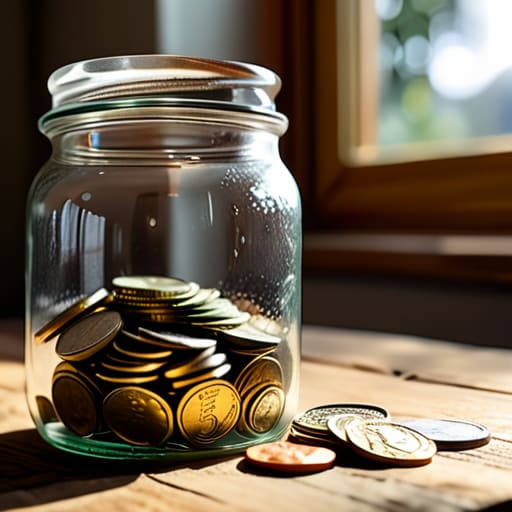
If budgeting is the roadmap, then your emergency fund is the safety net that keeps you from crashing when life inevitably gets messy. Whether it’s a sudden car repair or an unexpected dental bill, having a dedicated stash of cash prevents these hiccups from turning into full-blown financial crises. I used to think I needed thousands of dollars upfront to start building an emergency fund, but that mindset actually kept me from starting at all. In reality, the goal is just to start small and be consistent.
The trick to making this feel less like a chore is to stop letting your savings sit in a standard checking account earning next to nothing. I highly recommend moving your “just in case” money into high yield savings accounts. Because these accounts offer significantly better interest rates than traditional big-box banks, you’re actually letting your money work for you through compound interest benefits while it sits there. It’s a low-effort, high-reward system that builds your security in the background while you focus on the rest of your life.
Automating Your "Future Self" Fund
- Set up a recurring transfer for the day after your paycheck hits. Whether it’s $25 or $200, moving that money to a separate account before you even see it in your checking balance removes the “should I or shouldn’t I” mental tug-of-war every single month.
- Audit your “invisible” subscriptions. I spent way too long paying for three different streaming services and a fitness app I haven’t touched since January; go through your bank statement, cancel the clutter, and redirect those small monthly amounts into your savings instead.
- Practice the 48-hour rule for non-essential purchases. If I see a cute piece of decor or a new gadget, I add it to my digital cart but force myself to wait two full days before hitting buy. Most of the time, the impulse fades, and I realize I didn’t actually need it to feel happy.
The Bottom Line: Systems Over Perfection
Don’t wait until you have “enough” money to start; focus on setting up small, automated systems—like a recurring transfer to your savings—that work in the background so you don’t have to use your willpower every single month.
Remember that financial stability isn’t about depriving yourself of every joy; it’s about creating enough of a buffer so that when life inevitably gets messy, it doesn’t derail your entire sense of peace.
Finding Your Financial Rhythm

At the end of the day, saving money isn’t about deprivation or following a rigid, punishing set of rules. It’s about the small, repeatable systems we’ve talked about: setting up that initial budget to track your flow, utilizing high-yield accounts to make your money work harder, and building that essential emergency cushion. When you automate these tiny decisions, you stop making the same stressful mental calculations every single time you swipe your card. You aren’t just managing digits in a bank app; you are building a foundation that protects your future self from the unexpected chaos of life.
Please remember that progress rarely looks like a straight line upward. There will be months where an unexpected car repair or a friend’s birthday dinner throws your system off balance, and that is perfectly okay. The goal isn’t to achieve some impossible level of perfection; it’s to stay consistent enough to keep moving forward. Be kind to yourself as you navigate these transitions. Once you master these basic systems, you’ll find that you have much more mental energy to actually enjoy your twenties, rather than just surviving them.
Frequently Asked Questions
I’m already struggling to cover my rent and groceries; how do I actually start saving if I feel like I’m living paycheck to paycheck?
I hear you, and honestly, I’ve been there. When you’re just trying to keep the lights on, “saving” feels like a cruel joke. Don’t worry about big numbers right now. Start with the “micro-system” approach: look for one tiny, recurring leak—like a subscription you forgot about or a convenience habit—and redirect that exact amount to a separate account the moment you get paid. It’s not about the amount; it’s about building the muscle of seeing money move into your future.
Should I be prioritizing paying off my student loans first, or is it better to focus on building up my savings accounts?
This is the million-dollar question, isn’t it? Honestly, it’s less about a “right” answer and more about what keeps you from spiraling. If your student loan interest rate is low, I’d prioritize building a small, “starter” emergency fund first. Having that cushion prevents you from reaching for a credit card when life happens. Once you have a little breathing room, you can pivot to aggressively tackling those loans. It’s all about balance, not perfection.