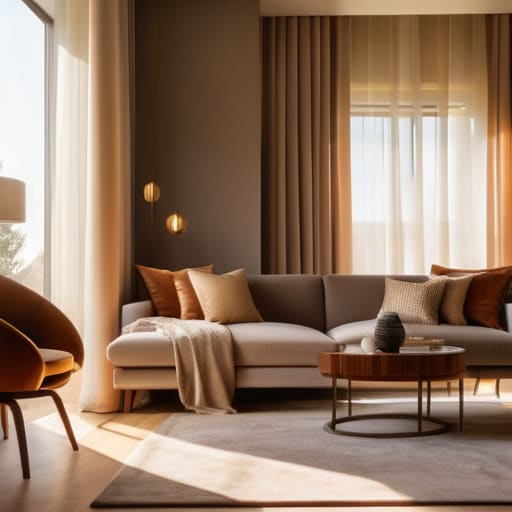
I used to think that if my apartment felt cold and uninviting, I just needed to buy a more expensive designer lamp or follow some high-end interior design tutorial. But after years of staring at the harsh, clinical glare of a single overhead fixture while trying to decompress from a freelance deadline, I realized the problem wasn’t my furniture—it was my system. We’ve been sold this idea that great ambiance requires a massive renovation, but most of the home lighting tips you see online are either way too expensive or totally impractical for real life.
I’m not here to tell you to gut your electrical wiring or spend a month’s rent on a statement piece. Instead, I want to share the low-effort, high-impact ways I’ve learned to layer light to actually manage my mood and reduce visual clutter. I’m going to walk you through how to use simple, functional light sources to transform your space from a chaotic workspace into a sanctuary, without the unnecessary fluff.
Table of Contents
Layering Light in Interior Design to Reduce Visual Chaos
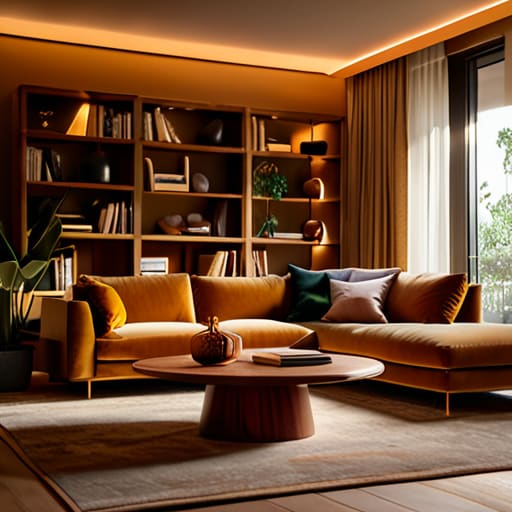
When I first moved into my current apartment, I made the mistake of relying entirely on that single, harsh overhead light in the living room. It felt clinical and, frankly, exhausting to come home to. The secret to fixing that feeling is layering light in interior design rather than letting one source do all the heavy lifting. By combining different types of light, you stop the room from feeling like a flat, shadowless box and start creating depth that feels intentional.
I like to think of this as a three-part system. You start with your ambient light for general visibility, but then you need to introduce ambient and task lighting techniques to actually make the space functional. This might mean a soft floor lamp in a corner to wash the walls with warmth, paired with a focused desk lamp for when I’m actually working. When you layer these sources, you aren’t just decorating; you’re managing the visual energy of the room so it feels calm instead of chaotic.
Mastering Ambient and Task Lighting Techniques for Daily Functionality
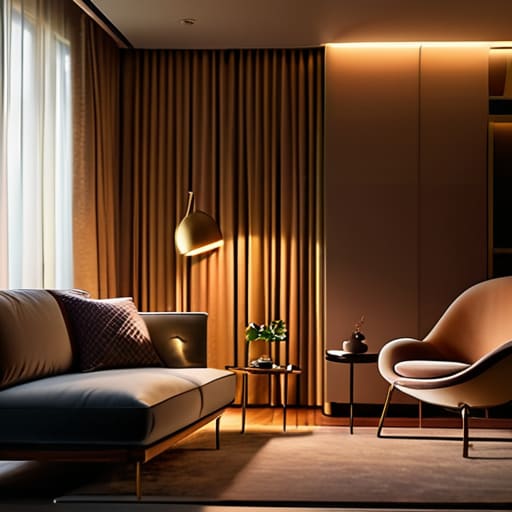
Once you’ve got your layers established, the next step is actually deciding where that light goes so you aren’t constantly squinting. I used to think a single bright overhead fixture was enough, but I quickly realized that was just a recipe for a headache. To make a space truly functional, you need to master ambient and task lighting techniques that serve specific purposes. Think of ambient light as your baseline—the soft, overall glow that fills the room—while task lighting is your specialized tool. Whether it’s a dedicated desk lamp for my late-night freelance planning or a focused reading light by the sofa, these targeted sources prevent you from straining your eyes during daily chores.
A huge part of making this work without feeling overwhelmed is understanding warm vs cool light temperatures. I’ve learned through trial and error that keeping things consistent is key; I tend to lean toward warmer tones in my living areas to keep things cozy, while using slightly cooler, crisper light in my workspace to stay alert. It’s a small tweak, but it makes a massive difference in how your brain transitions from “work mode” to “relax mode” at the end of the day.
Three Small Systems for a Calmer, Better-Lit Home
- Stop relying on the “big light.” We’ve all been there—standing under a harsh, singular ceiling fixture that makes your living room feel more like a sterile doctor’s office than a sanctuary. Instead, try a “sunset rule”: as soon as the sun goes down, turn off the overheads and rely entirely on lamps and small accent lights. It’s a simple shift that instantly signals to your brain that the workday is over and it’s time to decompress.
- Match your bulb temperature to the room’s purpose. I used to make the mistake of putting bright, cool-toned daylight bulbs in my bedroom, and I couldn’t understand why I felt so wired at 10:00 PM. Use warm, amber-toned bulbs (around 2700K) for spaces meant for relaxation, like your bedroom or reading nook, and save the crisper, whiter light for your desk or kitchen counters where you actually need to see what you’re doing.
- Automate your transitions with smart plugs or timers. One of the biggest drains on my mental energy used to be walking around the house flipping switches every single night. By plugging a few key lamps into inexpensive smart plugs, I can set a “wind-down” routine where the lights dim automatically at a certain hour. It’s a tiny bit of tech that removes one more manual task from my evening mental load.
Small Shifts for a Calmer Home
Stop relying on a single, harsh overhead light; by layering ambient, task, and accent lighting, you create a flexible environment that can shift from high-productivity workspace to cozy evening sanctuary.
Treat your lighting like a system rather than a decoration—invest in smart dimmers or moveable lamps so you can adjust the intensity based on the specific mental energy you need for the task at hand.
Creating Your Own Calm
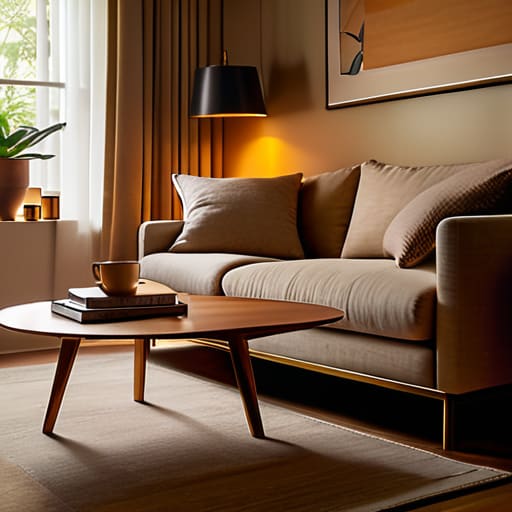
At the end of the day, managing your home lighting isn’t about following strict interior design rules or buying every expensive smart bulb on the market. It’s about building a system that works for your actual life. By layering your light sources, prioritizing functional task lighting where you actually work, and using ambient glow to soften the edges of a long day, you are effectively reducing the visual noise in your environment. When you stop relying on that single, harsh overhead light and start choosing your illumination more intentionally, you’ll notice how much more functional and peaceful your spaces feel.
Remember, your home should be a sanctuary that supports your mental well-being, not a source of sensory overwhelm. You don’t need to overhaul your entire apartment overnight; start with one corner, one desk, or even just a single bedside lamp. Small, repeatable changes to how you see your space create the mental breathing room you need to truly unwind. Focus on making your environment work for you, and the rest will naturally fall into place.
Frequently Asked Questions
How do I choose the right color temperature for different rooms so my space doesn't feel too clinical or too dim?
Think of color temperature as the “vibe regulator” for your home. I used to make the mistake of putting cool, daylight bulbs in every room, which made my apartment feel like a sterile dental office. Instead, try a system: use warmer tones (2700K–3000K) for living areas and bedrooms to signal your brain it’s time to unwind. For task-heavy spots like the kitchen or desk, switch to a neutral white (3500K–4000K) to keep you focused without the clinical glare.
Are there affordable ways to add layered lighting to a rental apartment without messing with the hardwired fixtures?
The short answer is: absolutely. Since I’ve lived in several rentals myself, I’ve learned that you don’t need an electrician to fix a dim room. I swear by plug-in sconces—you just screw them into the wall and plug them into a standard outlet. Battery-operated puck lights are also a lifesaver for dark cabinets, and a well-placed floor lamp can instantly change a room’s energy without a single wire being cut.