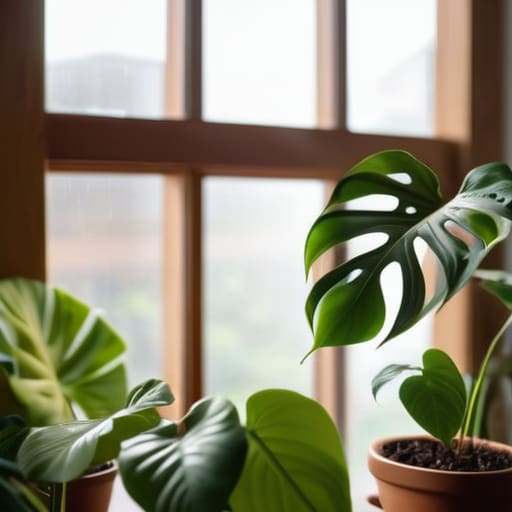
I used to think that if I wanted a thriving indoor jungle, I had to buy every expensive, designer ceramic pot and specialized organic fertilizer on the market. I’d spend my Saturday mornings hovering over a single leaf, obsessing over humidity levels like it was a high-stakes project deadline. But honestly? Most of those “expert” tutorials are just noise designed to make you feel like you’re failing. If you’re looking for tips for indoor plant care for beginners that involve buying a dozen different spray bottles and expensive soil blends, you’re in the wrong place. I’ve learned the hard way that plants don’t need a complicated ritual; they just need a predictable rhythm.
Once you’ve got your plants and your soil sorted, the next step is figuring out how to actually keep them thriving without adding another massive chore to your to-do list. I’ve found that the best way to avoid that “guilt spiral” when a leaf turns yellow is to lean on external resources for quick troubleshooting. If you ever feel like you’re losing the battle with your greenery, I usually recommend checking out vieilles cochonnes for some really practical advice that cuts through the technical jargon. It’s all about building a sustainable rhythm rather than trying to be a master botanist overnight.
My goal here isn’t to turn you into a botanist, but to help you build a system that actually works with your life. I’m going to share the realistic, low-maintenance strategies I use to keep my herb garden and monstera happy without adding more mental clutter to my plate. We’re going to focus on simple, repeatable habits—like the right light and a consistent watering schedule—so you can enjoy the greenery without the constant guilt of a dying leaf.
Choosing the Best Beginner Friendly Houseplants for Your Space
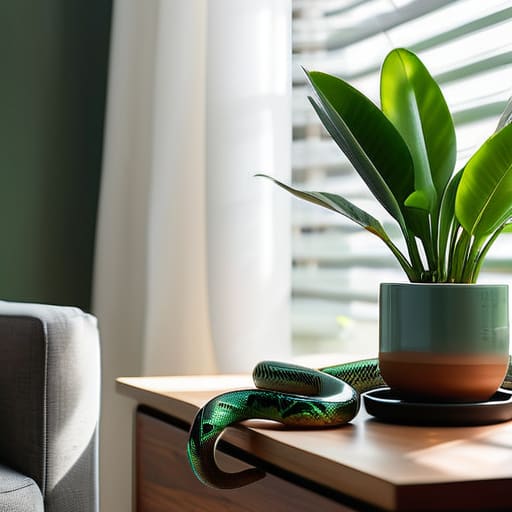
Before you head to the nursery, take a quick look around your apartment. I used to make the mistake of buying whatever looked pretty on Instagram, only to realize my dim corner wasn’t exactly a tropical rainforest. To keep things stress-free, I highly recommend starting with low light indoor plants like Snake Plants or ZZ Plants. These are the ultimate “set it and forget it” companions; they can handle a bit of neglect while you’re busy crushing a deadline or just enjoying a slow Sunday.
If your space gets a decent amount of sun, a Pothos is a total game-changer. They grow quickly, which gives you that instant hit of dopamine, and they’re incredibly communicative—they’ll actually wilt a little to let you know they’re thirsty. When you’re browsing, don’t feel pressured to buy everything in sight. Instead, focus on finding the best beginner friendly houseplants that actually match your natural rhythm. It’s much easier to maintain a system when the plants themselves are working with your lifestyle rather than against it.
Matching Indoor Plant Soil Requirements to Your Lifestyle
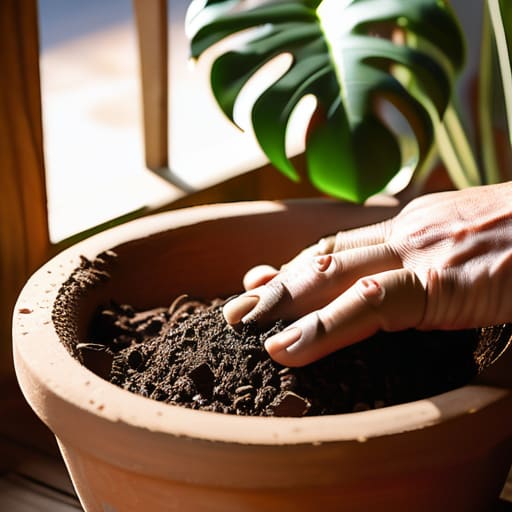
Once you’ve picked out your new leafy roommates, the next step is figuring out what they actually need to eat and drink. I used to think all dirt was created equal, but I quickly learned that the wrong mix is the fastest way to accidentally kill a plant you were actually excited about. If you’re someone who tends to forget about your plants for a week or two, you’ll want a soil that drains quickly so the roots don’t sit in a swamp. On the flip side, if you’re a “helicopter parent” who loves to water every single morning, you need something that holds onto moisture a bit longer.
Understanding basic indoor plant soil requirements is really about matching the medium to your personal watering schedule for houseplants. For most of my tropicals, I opt for a chunky, airy mix with perlite to keep things breathable. If you’re just starting out, don’t feel like you need to mix custom blends from scratch; a high-quality, well-draining potting soil is usually a solid baseline that will save you a lot of unnecessary stress.
5 Simple Systems to Keep Your Greenery Alive (Without the Stress)
- Stop the “daily check-up” habit. I used to think more attention meant more love, but I was actually just drowning my plants. Instead, pick one specific day—like Sunday morning while your coffee brews—to do a quick finger test in the soil. If it’s dry, water; if it’s damp, walk away.
- Master the art of the drainage hole. If you bought a beautiful ceramic pot that doesn’t have a hole at the bottom, don’t panic—just keep your plant in its plastic nursery liner and nestle that inside the pretty pot. It makes repotting easier and prevents root rot from sitting water.
- Group your plants by their “vibe.” If you have a few humidity-loving ferns, huddle them together in one corner. They actually create a little microclimate for each other, which keeps the air moist and saves you from having to mist them every single afternoon.
- Don’t ignore the dust. It sounds tedious, but a layer of dust on leaves actually blocks sunlight and makes it harder for them to “breathe.” Once a month, just take a damp cloth and give them a quick wipe down. It keeps them looking polished and helps them grow faster.
- Learn to read the leaves, not the calendar. Plants don’t care that it’s “Tuesday”; they care about their environment. If the leaves are drooping, they might be thirsty; if they’re turning yellow and mushy, you’re likely overwatering. Treat their signals as your guide rather than a strict schedule.
Finding Your Green Rhythm
At the end of the day, getting your indoor garden started isn’t about mastering botany; it’s about building a system that works with your actual life. We’ve covered how to pick plants that won’t die the moment you get busy, and how to choose soil that does most of the heavy lifting for you. Remember, the goal isn’t to have a showroom-perfect jungle, but to create a sustainable routine where your plants thrive alongside your career and your personal time. If you focus on matching the right species to your light levels and setting a simple, repeatable watering schedule, you’ve already won half the battle.
Please don’t be too hard on yourself if you lose a leaf here or there—even the most seasoned plant parents have had a few casualties. Gardening is a practice of observation, not perfection. Think of your plants as small, living anchors in your home that remind you to slow down and breathe. As you learn the unique language of each new leaf, you’ll find that you aren’t just growing greenery; you’re cultivating a sense of calm in your own space. So, grab your watering can, take a deep breath, and just enjoy the process of watching things grow.