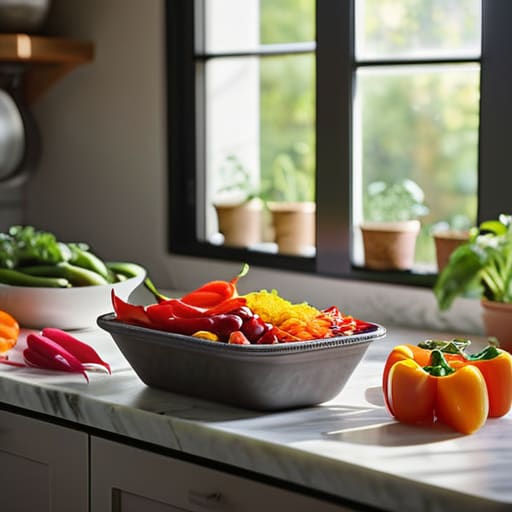
I used to spend my Sunday evenings scrolling through those hyper-aesthetic home organization accounts, feeling this weird sense of guilt because my spice rack wasn’t color-coded and my pantry didn’t look like a boutique grocery store. Honestly? Most of those viral kitchen tips and tricks are just expensive ways to buy more plastic containers you don’t actually need. I realized that trying to achieve a “Pinterest-perfect” kitchen was actually increasing my mental load rather than reducing it, leaving me more stressed about maintaining the look than actually enjoying the process of cooking.
I’m not here to sell you on a lifestyle overhaul or a suite of designer organizers. Instead, I want to share the small, repeatable systems I’ve built into my own space to help me manage the daily chaos of freelance life and meal prep. We’re going to focus on functional simplicity—practical, low-effort tweaks that actually save you time and headspace. My goal is to help you create a kitchen that works for you, so you can stop fighting the clutter and start actually enjoying your meals.
Table of Contents
Mastering Meal Prep Efficiency to Reclaim Your Evening Mental Space
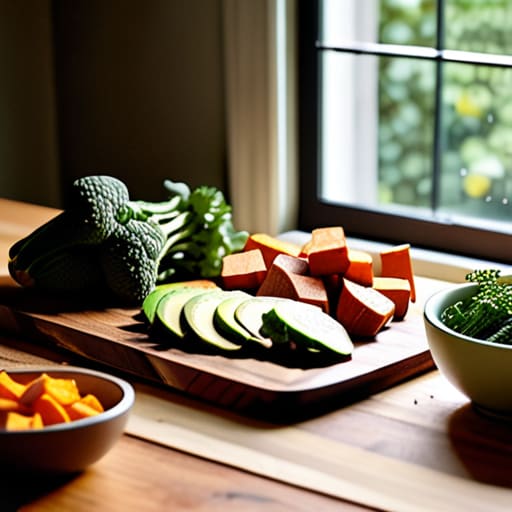
If you’re anything like me, the most exhausting part of the day isn’t the actual cooking—it’s the decision fatigue that hits at 6:00 PM when you’re staring blankly into a fridge full of random ingredients. To fight this, I’ve leaned heavily into meal prep efficiency that focuses on components rather than rigid, boring recipes. Instead of spending five hours making five identical Tupperware meals, I spend an hour on Sunday prepping “building blocks”: a big batch of roasted veggies, a grain like quinoa, and a protein. This way, you aren’t reinventing the wheel every night; you’re just assembling.
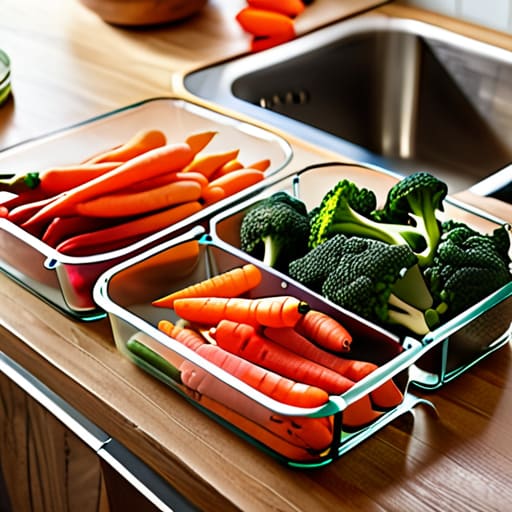
The real secret to making this sustainable, though, is investing in the right food storage solutions. There is nothing more demoralizing than digging through a cluttered fridge only to find a half-empty bag of wilted spinach. I’ve found that using uniform, clear containers makes everything visible at a glance, which significantly reduces that “what’s for dinner?” panic. When you can see exactly what you have, you can actually enjoy the process of putting a meal together instead of treating it like a high-stakes scavenger hunt.
Smart Food Storage Solutions for a Functional Stress Free Pantry
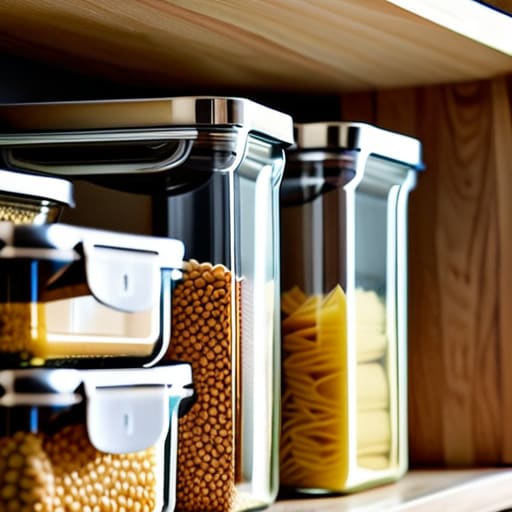
If meal prepping is how we plan our week, then smart food storage is how we actually execute it without losing our minds. I used to suffer from “pantry blindness”—that frustrating moment where you’re staring at a shelf of half-opened bags, wondering if you actually have enough pasta for dinner. To fix this, I moved away from the idea of aesthetic matching and focused on functional food storage solutions that actually work. I started using clear, airtight containers for staples like grains and flour; not only does it keep things fresh, but it allows me to see exactly what I have at a glance.
I’ve also found that grouping items by “use case” is a total game-changer for my mental load. Instead of a chaotic mix of spices and snacks, I create little zones: a dedicated bin for baking supplies and another for my quick breakfast oats. These simple kitchen organization ideas mean I’m not digging through the back of a dark cupboard every morning. It’s not about having a showroom kitchen; it’s about creating a system where everything has a home, so you can stop searching and start cooking.
Small Workflow Tweaks to Stop the Kitchen Friction
- Create a “Landing Zone” for your daily essentials. I realized I was wasting so much mental energy hunting for my keys, my mail, or my reusable grocery bags every time I walked through the door. By designating one specific, clean spot near the kitchen entrance for these “transition items,” I stopped the frantic morning scavenger hunts and kept the clutter from bleeding into my actual cooking space.
- Optimize your “Work Triangle” with a dedicated prep station. You don’t need a massive island to make this work; you just need to ensure your most-used tools—like your favorite chef’s knife, a cutting board, and your olive oil—are within arm’s reach of where you actually chop. I started grouping these items on a small tray, and it sounds simple, but it has cut down on the annoying back-and-forth shuffling that makes cooking feel like a chore.
- Implement a “Clean-as-You-Go” reset habit. This isn’t about being a perfectionist; it’s about managing the aftermath. I’ve made it a rule to never sit down to eat with a sink full of dishes. Instead, I use the time while the pasta is boiling or the oven is preheating to clear the counters and load the dishwasher. It’s much easier to handle a five-minute tidy-up mid-process than to face a mountain of chaos once you’re actually hungry and tired.
Small Wins for a More Functional Kitchen
Focus on building repeatable systems rather than chasing aesthetic perfection; a kitchen that works for your actual routine is always better than one that just looks good on camera.
Use your kitchen organization as a tool to reduce decision fatigue, making sure everything from your meal prep to your pantry storage serves to quiet the mental noise of daily life.
Finding Your Flow
At the end of the day, getting your kitchen in order isn’t about achieving some impossible standard of aesthetic perfection. It’s about the small, practical wins—like having your meals prepped so you aren’t staring blankly at the fridge at 6:00 PM, or knowing exactly where your spices are because your pantry is actually organized. By implementing these simple, repeatable systems, you’re essentially removing the friction from your daily routine. Whether it’s through better storage or smarter meal planning, the goal is to reduce the decision fatigue that tends to pile up by the end of a long workday.
Please remember to be kind to yourself as you trial these new habits. Some weeks, your systems will work beautifully, and other weeks, the chaos might win for a little bit—and that is perfectly okay. The point isn’t to never have a messy counter again; it’s to build a foundation that makes it easy to reset. Start small, pick one area to tackle first, and focus on creating mental space rather than chasing a magazine cover. You’ve got this.
Frequently Asked Questions
I love the idea of systems, but how do I actually start organizing my kitchen without feeling completely overwhelmed by the mess?
I completely get it. Looking at a messy kitchen can feel like staring at a mountain you’re not equipped to climb. My advice? Don’t try to “organize the kitchen”—that’s too big. Instead, pick one tiny, high-traffic zone, like your coffee station or the junk drawer. Spend fifteen minutes setting up a system there. Once that one spot feels functional, you’ll gain the momentum to tackle the next little corner. Small wins, I promise.
Are there specific types of containers or tools that are actually worth the investment for long-term food storage, or should I just stick to what I have?
Honestly, don’t go out and buy a matching set of aesthetic glass jars just because they look good on a shelf. That’s how you end up with clutter, not systems. If your current containers work, stick with them. However, if you’re looking to upgrade, invest in high-quality, airtight glass containers for leftovers—they last forever and don’t stain. Beyond that, a few good silicone stretch lids can save a lot of wasted food. Focus on utility, not the look.