I used to think that a messy kitchen was just a symptom of a busy life, but I eventually realized it was actually a major source of my daily mental fatigue. There is nothing quite as draining as standing in front of a cluttered countertop, hunting for a lid that doesn’t exist or digging through a mountain of spices just to make a simple pasta dish. We often overlook how much these tiny frictions add up, but finding the right kitchen organization ideas isn’t about achieving a Pinterest-perfect aesthetic; it’s about building a space that actually works for you.
In this post, I’m sharing three specific, low-effort systems I’ve integrated into my own home to help reclaim my peace during the weekday rush. We’re going to move past the overwhelming “deep clean” mentality and focus on three practical shifts that will help you manage the chaos. By the end of this, you’ll have a clear roadmap to transform your kitchen from a source of stress into a functional sanctuary where you can actually enjoy the process of cooking.
Table of Contents
The "Prime Real Estate" Rule for Your Counters
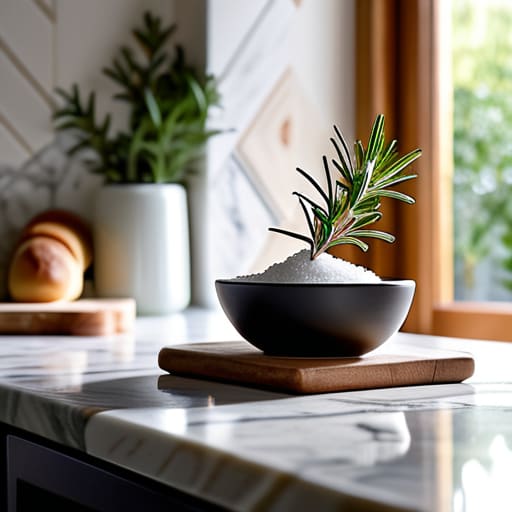
I used to think a clean kitchen meant having absolutely nothing on the counters, but honestly, that’s just not realistic for someone who actually cooks. The trick I’ve learned is to treat your countertop space like prime real estate. Only the items you use every single day—think the coffee maker, the toaster, or my favorite wooden cutting board—should have a permanent home on the surface. Everything else is just clutter waiting to steal your mental energy.
Zone Your Pantry for Flow
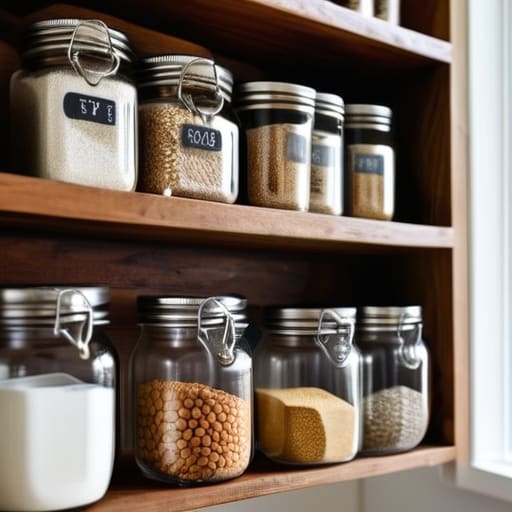
One of the biggest stressors in my kitchen used to be the “pantry hunt”—that frantic searching for a specific spice or a bag of lentils right when I was halfway through a recipe. To fix this, I started grouping items into functional zones. I have a dedicated baking zone with my flours and sugars, a breakfast nook for oats and spreads, and a specific spot for my quick snacks. It’s not about having a Pinterest-perfect pantry; it’s about creating a predictable system.
The "One-In, One-Out" Utensil Strategy
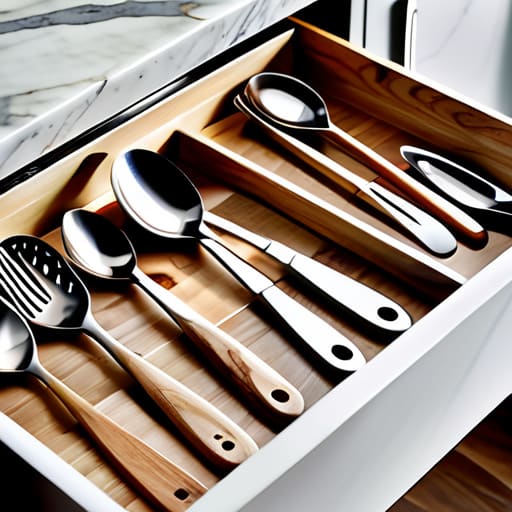
We’ve all been there: opening a utensil drawer only to find a tangled mess of spatulas, whisks, and gadgets that we haven’t touched since 2019. My solution was to implement a strict utility audit. I went through my drawer and realized I had three different versions of the same tool, which was just adding to the chaos. Now, I only keep the high-quality, functional pieces that I use regularly, and I store the rest in a more tucked-away spot or, frankly, I just get rid of them.
Final Thoughts: Systems Over Perfection
Remember that your kitchen doesn’t need to look like a Pinterest board to be effective; it just needs to work for the way you actually cook and live.
Start with one small, repeatable habit—like clearing the counters before bed—and build your systems from there so you don’t get overwhelmed.
Reclaiming Your Kitchen Space
At the end of the day, organizing your kitchen isn’t about achieving that pristine, untouched look you see in high-end interior design magazines. It is about creating functional systems that actually work for your specific lifestyle. Whether you’ve decided to implement clear bin labeling for your pantry, designated zones for your coffee station, or a simple rotating tray for your most-used oils, the goal is the same: reducing the friction of daily chores. When everything has a logical home, you spend less time digging through cluttered cabinets and more time actually enjoying the process of cooking a meal.
Please remember that you don’t have to overhaul your entire kitchen in a single weekend. In fact, I wouldn’t recommend it. Start with one small drawer or one single shelf, and let that success build your momentum. Perfection is a moving target, but consistent systems are what truly change your relationship with your home. Focus on making your space work for you, one small step at a time, and watch how much mental clarity follows.
Frequently Asked Questions
I have a tiny kitchen with almost no counter space—are there ways to organize without buying a bunch of bulky containers?
I feel this in my soul. My own kitchen is tiny, and I quickly learned that bulky plastic bins just create more visual clutter. Instead of buying more “stuff,” I focus on verticality. Think magnetic knife strips, hanging utensil rails, or even a simple tension rod under the sink to hang cleaning supplies. It’s about reclaiming the air space you already have so your precious few inches of counter can actually stay clear.
How do I actually stick to these systems once the initial excitement of cleaning wears off?
The truth is, the “cleaning high” always fades. That’s when the real work begins. To make these systems stick, you have to stop treating them like chores and start treating them like habits. I use the “two-minute rule”—if a task, like wiping the counter or putting away one grocery item, takes less than two minutes, I do it immediately. Don’t aim for a Pinterest-perfect kitchen every night; just aim to reset the space for tomorrow’s version of you.