I used to think that learning how to make coffee at home meant I had to transform my tiny kitchen into a high-end boutique cafe, complete with $500 grinders and scales that look like they belong in a laboratory. Honestly? That approach just added more clutter to my counters and more unnecessary mental load to my already busy mornings. I spent far too long thinking that if my brew wasn’t mathematically perfect, I was somehow failing at the ritual.
But here’s the truth: you don’t need a chemistry degree or a massive budget to have a damn good cup of coffee. I’ve spent years refining a few simple, repeatable systems that prioritize flavor without the pretension. In this guide, I’m going to show you how to strip away the hype and set up a functional morning routine that works for your actual life, not some idealized version of it.
Table of Contents
Choosing the Best Coffee Brewing Methods for Your Routine
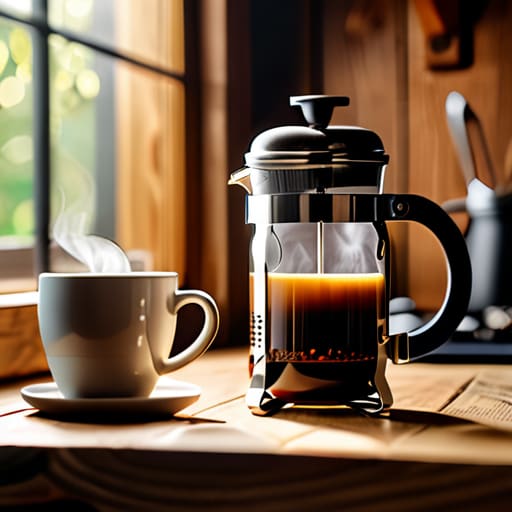
When you’re looking at all the options, it’s easy to feel overwhelmed by the sheer amount of gear out there. My advice? Don’t try to become a home barista overnight. Instead, think about your morning rhythm. If you’re someone who needs to grab a mug and head straight to your desk to start checking emails, a simple French press or a high-quality drip machine might be your best bet. These are some of the most forgiving coffee brewing equipment for beginners because they don’t require a lot of fussy, minute-by-minute attention.
On the other hand, if your morning is a slow, intentional ritual—the kind where you actually have time to breathe before the workday starts—you might enjoy experimenting with more manual methods like a Pour Over. While it requires a bit more focus on coffee extraction techniques to get things just right, the reward is a much cleaner, more nuanced cup. The goal isn’t to master every complex method, but to find the one that fits into your existing workflow without adding unnecessary stress to your morning.
Finding the Right Coffee Brewing Equipment for Beginners
When you’re first starting out, the sheer amount of gear available can feel incredibly overwhelming. My advice? Don’t feel pressured to buy a high-end espresso machine right away. For most of us, the goal is simply to find a reliable setup that fits into our morning flow without adding unnecessary friction. If you’re looking for coffee brewing equipment for beginners, I usually suggest starting with something tactile and low-maintenance, like a French press or a simple pour-over cone. These tools are forgiving, easy to clean, and let you focus on the sensory experience rather than complex settings.
Once you have your vessel, the real magic happens with your ingredients. I’ve learned through trial and error that the biggest leap in improving your coffee flavor profile isn’t actually the machine—it’s the quality of your beans. If your budget allows for one “splurge” item, make it a decent burr grinder. Using freshly ground coffee beans right before you brew makes a night-and-day difference in how much aroma and sweetness you actually get in your cup. It turns a quick caffeine fix into a small, intentional ritual.
Three Small Habits for a Better Cup
- Stop treating your coffee beans like pantry staples. If you’re buying pre-ground coffee that’s been sitting on a grocery shelf for months, you’re doing yourself a disservice. Invest in a decent burr grinder and buy whole beans; the difference in flavor is massive, and it turns a chore into a mindful morning ritual.
- Get a digital scale. I know, it sounds a bit “science lab,” but measuring your coffee and water by volume with a spoon is incredibly inconsistent. Using a simple scale ensures that your ratio stays the same every single morning, so you aren’t constantly troubleshooting why your coffee tastes bitter one day and sour the next.
- Keep your gear clean, but don’t let it become a project. A buildup of old coffee oils is the fastest way to make a fresh brew taste stale. I keep a small dedicated brush near my setup to quickly clear out my grinder and carafe so that cleaning never feels like an overwhelming task on my to-do list.
Quick Wins for Your Morning Setup
Don’t feel pressured to buy every gadget on the market; start with one reliable method that fits your actual morning pace, whether that’s a quick pour-over or a sturdy French press.
Focus on consistency over complexity by setting up a dedicated “coffee station” to minimize the friction of your morning routine and keep your kitchen feeling organized.
Finding Your Flow
At the end of the day, mastering your home coffee setup isn’t about having the most expensive espresso machine or a degree in bean chemistry. It’s about finding that sweet spot between quality and convenience. Whether you’ve decided on a reliable French press for slow weekend mornings or a streamlined pour-over for those frantic Tuesday starts, the goal is to have a system that works for you, not against you. Once you have your equipment and your method dialed in, the daily decision fatigue of “how do I make this good?” simply disappears.
Don’t feel pressured to get everything perfect right out of the gate. Start with the basics, lean into the ritual, and let your setup evolve as you learn what you actually enjoy drinking. My best advice? Stop overthinking the process and start enjoying the result. When you turn a mundane morning task into a small, intentional system, you aren’t just making a beverage; you’re reclaiming a few minutes of peaceful headspace before the rest of the world starts asking things of you.
Frequently Asked Questions
How do I know if I should be buying whole beans or pre-ground coffee to keep things simple?
Honestly, it comes down to how much mental energy you want to spend in the morning. If you want a true “grab and go” system, pre-ground is your best friend—it removes one more step from your routine. But, if you have an extra sixty seconds and want better flavor, go with whole beans and a small grinder. For me, I find the ritual of grinding actually helps me wake up, but only if the grinder is easy to clean.
Is it actually worth investing in a burr grinder, or can I get away with something cheaper to start?
Honestly, if you’re looking to build a sustainable ritual, the grinder is actually more important than the brewer. I used to think I could save money with those cheap blade grinders, but they just chop the beans unevenly, leaving you with a cup that’s both bitter and sour. If your budget is tight, skip the fancy espresso machine for now, but try to prioritize a decent burr grinder. It’s the one investment that actually pays off in flavor.