I used to think that being a “plant person” required a degree in botany and a collection of expensive, specialized misting machines that just ended up collecting dust on my shelf. Honestly, the internet makes learning how to care for houseplants feel like this high-stakes, complicated science experiment where one wrong drop of water means instant catastrophe. But after years of watching my succulents turn to mush and my ferns wilt into sad, brown skeletons, I realized the problem wasn’t my lack of expertise—it was the overwhelming amount of unnecessary noise surrounding plant care.
I’m not here to sell you on aesthetic lifestyle trends or complicated schedules that add more stress to your week. Instead, I want to share the low-maintenance systems I’ve actually used to keep my apartment green without letting it become another source of mental clutter. We’re going to skip the hype and focus on a few practical, repeatable habits that will help your greenery thrive while keeping your daily routine perfectly manageable.
Table of Contents
Setting Up Your Indoor Plant Light Requirements and Soil Systems
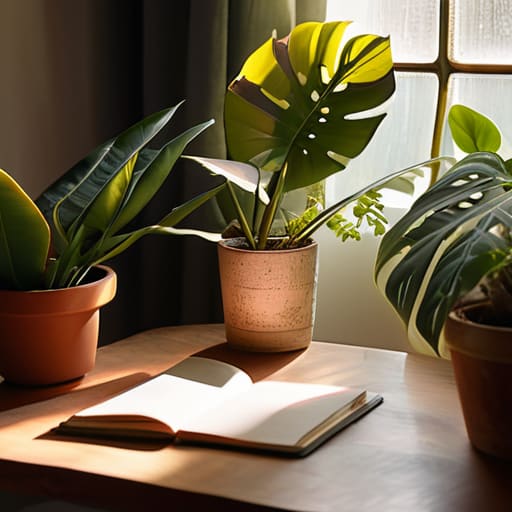
Before you even bring a new green friend home, you need to audit your space. I used to think “bright light” just meant putting a plant near a window, but I quickly learned that ignoring specific indoor plant light requirements is a fast track to burnout—for both you and the plant. Grab your notebook and map out your rooms; identify which spots get that harsh, direct afternoon sun and which stay in a moody, consistent shadow. Once you know your light zones, you can match your plants to their environment rather than fighting against it.
The same goes for your foundation: the soil. I’ve learned the hard way that using generic, heavy garden dirt is a recipe for root rot. Instead, invest in a high-quality, well-draining mix; finding the best soil for houseplants is really about creating a breathable home for those roots. If you’re working with something more exotic, like a Calathea, you might need to tweak that mix with extra perlite or coco coir to ensure it doesn’t turn into a soggy mess. Setting these systems up early means you aren’t constantly playing damage control every time a leaf turns yellow.
Managing Humidity for Tropical Plants and Common Houseplant Pests
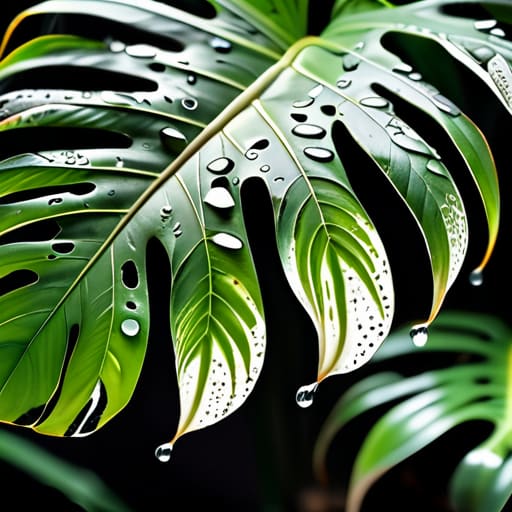
If you’ve ever noticed the tips of your Monstera turning brown and crispy, you’re likely dealing with a lack of moisture in the air. Most of us live in environments that are far too dry for our leafy friends, especially when the heater is running in the winter. Instead of buying a fancy, expensive humidifier that just takes up counter space, I’ve found that grouping plants together or using a simple pebble tray works wonders. It’s all about creating a microclimate that mimics their natural habitat, ensuring that humidity for tropical plants stays consistent without you having to micromanage every single leaf.
Of course, once you get the environment right, you might notice some unwanted guests. Dealing with common houseplant pests like spider mites or fungus gnats can feel incredibly defeating when you’ve worked so hard to build a routine. My rule of thumb is to catch them early: do a quick weekly scan of the undersides of leaves. If you spot anything suspicious, don’t panic—just isolate the plant and treat it with neem oil. It’s much easier to manage a small localized issue than to let a tiny infestation turn your entire living room into a botanical battlefield.
Three Simple Habits to Keep Your Greenery From Becoming a Chore
- Stop the “death by kindness” cycle by creating a dedicated watering day. Instead of checking your plants every single morning—which just adds to your mental clutter—pick one afternoon a week to do a quick finger test on the soil. If it’s dry, water; if it’s damp, move on. It turns a constant worry into a predictable, five-minute task.
- Build a “plant graveyard” prevention system by grouping your high-maintenance tropicals together. By clustering them in one humid zone, you create a little microclimate that works for you, rather than you constantly fighting to mist individual leaves every hour. It’s about working with the environment you have, not against it.
- Use your notebook to track the “small wins.” I know it sounds extra, but jotting down when you last fertilized or when a new leaf finally unfurls helps you spot patterns. It stops you from over-correcting when a plant looks a little sad and helps you realize that, most of the time, they just need consistency, not a rescue mission.
The Bottom Line for a Low-Stress Indoor Jungle
Don’t aim for a botanical garden overnight; start with a few resilient plants that match your actual light and humidity levels to avoid the burnout of constant troubleshooting.
Build small, repeatable habits—like a quick weekly moisture check or a scheduled pest inspection—so your plants stay healthy without becoming another heavy item on your mental to-do list.
Finding Your Green Rhythm
At the end of the day, keeping plants alive isn’t about being a master botanist; it’s about setting up a few sustainable habits. By getting your light and soil systems dialed in early, managing your humidity levels, and staying ahead of pests, you’ve already done the heavy lifting. You aren’t just maintaining decorations; you are managing a living ecosystem. Once these small, repeatable steps become part of your weekly routine, they stop feeling like chores and start feeling like automatic background processes that keep your home feeling vibrant and alive.
Remember, there will be a yellow leaf here or a drooping stem there, and that is perfectly okay. Plants, much like our own lives, don’t need to be flawless to be beautiful. Don’t let a single setback make you feel like you’ve failed at this. Instead, treat every mishap as a bit of data to help you refine your system. Focus on the small wins and the quiet joy of watching something grow under your care. You’ve got this.
Frequently Asked Questions
How do I know if I'm actually overwatering my plants versus just being too anxious about their care?
Honestly, I’ve been there. I used to treat my pothos like a high-stakes project, checking the soil every single morning. The trick is to stop guessing and start testing. Get a wooden chopstick—the kind you use for sushi—and push it deep into the soil. If it comes out damp and dark, walk away. If it’s bone-dry, you’re good to water. Trust the physical evidence over your anxiety.
Is it worth investing in fancy fertilizers, or can I just stick to a simple, low-maintenance feeding schedule?
Honestly, save your money. I used to get caught in that trap of buying every boutique, organic liquid gold bottle I saw, but it just added more clutter to my shelf. Most plants thrive on a simple, consistent feeding schedule using a basic, balanced fertilizer. It’s much more about the rhythm—feeding them regularly during their growing season—than the price tag. Keep it simple; your bank account (and your mental load) will thank you.