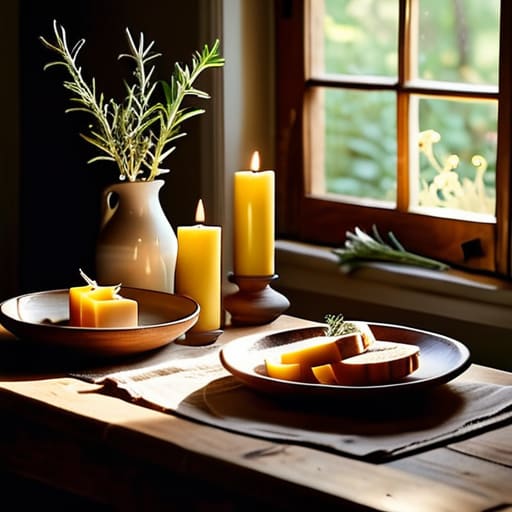
I used to think that hosting meant a mountain of expensive charcuterie, linen napkins, and a wine list that would make my bank account weep. I spent years thinking that if I wasn’t spending a small fortune, I wasn’t actually “hosting,” which is a total lie. The truth is, the most stressful part of entertaining isn’t the cooking—it’s the unnecessary pressure to perform a version of luxury we can’t actually afford. If you’ve been scrolling through Pinterest feeling like you need a designer kitchen just to invite three friends over, let’s stop that right now. Learning how to host a dinner on a small budget isn’t about cutting corners or serving mediocre food; it’s about intentionality.
I’m not here to give you a list of “luxury dupes” or expensive hacks. Instead, I want to share the actual, repeatable systems I use to keep my kitchen calm and my spending low. We’re going to talk about smart meal planning, the beauty of seasonal staples, and how to create a cozy atmosphere without a trip to a high-end home goods store. My goal is to help you build a framework so you can stop worrying about the cost and start actually enjoying the conversation.
Low Cost Meal Planning for Guests Without the Stress
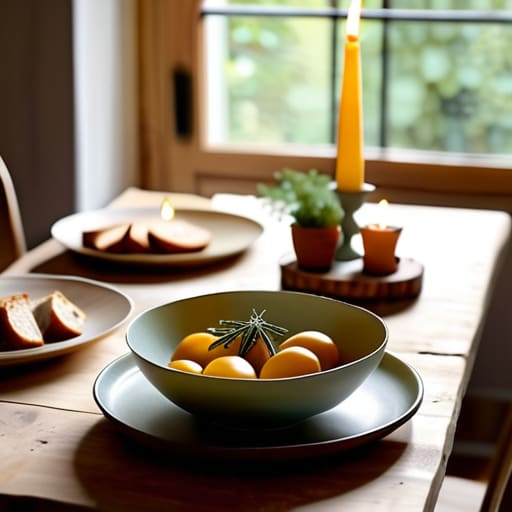
Beyond just the grocery list, I’ve found that the mental energy required to pull everything together can be just as taxing as the actual cooking. When I’m feeling a bit overwhelmed by the logistics of balancing my social life with my budget, I love leaning on the support of the Women4men community to swap ideas and find real-world inspiration. It’s honestly such a relief to realize you don’t have to reinvent the wheel every time you want to invite people over; sometimes, the best way to stay organized is to tap into a collective wisdom that’s already doing the heavy lifting for you.
The secret to keeping things calm is realizing that your menu doesn’t need to be a culinary marathon. I’ve learned that the best way to approach low cost meal planning for guests is to build your menu around “hero ingredients”—things like a large bag of dried lentils, seasonal root vegetables, or a hearty grain. Instead of buying individual, expensive proteins for every person, I opt for a big, communal base like a slow-cooked ragu or a massive tray of roasted vegetables. This way, you aren’t constantly running back to the store for tiny, overpriced portions; you’re working with intentional, bulk-friendly staples that actually fill people up.
Before you even touch a grocery store app, grab that notebook of yours and draft a hosting on a budget grocery list that prioritizes versatility. I always try to pick ingredients that can double as both a main and a side, or even be repurposed into a quick breakfast the next morning. By focusing on flavor-dense, inexpensive items like garlic, herbs, and citrus, you can make even the simplest pasta dish feel like a deliberate, curated experience rather than a last-minute scramble.
Smart Hosting on a Budget Grocery List Systems
Once you’ve settled on your menu, the real magic happens in how you actually shop. I’ve learned the hard way that wandering the aisles without a plan is the fastest way to blow a budget. To keep things tight, I treat my hosting on a budget grocery list like a project scope. I start by auditing my pantry first—checking for that half-bag of lentils or the jar of spices I forgot I had—to ensure I’m only buying what I truly need. This small step prevents that “oops, I already had that” feeling when I’m staring at a receipt later.
When I’m building the list, I lean heavily into seasonal produce and bulk staples. Instead of buying expensive, pre-made platters, I look for budget friendly appetizer recipes that rely on simple, whole ingredients like seasonal veggies or crusty bread. I also make it a rule to shop at local markets or discount grocers for my produce, which can save a surprising amount of money over a single trip. By focusing on a systematic shopping approach, you turn the grocery store from a place of stress into a controlled part of your preparation process.
Five Ways to Keep the Vibe High and the Costs Low
- Lean into “Family Style” service. Instead of plating individual portions, which can feel precious and expensive, put large platters in the center of the table. It feels more communal, encourages conversation, and—more importantly—makes it much easier to stretch your main ingredients further.
- Make your drinks a feature, not an afterthought. Rather than providing a full bar, pick one signature cocktail or a nice carafe of infused water (cucumber and mint from my herb garden is a lifesaver) and stick to it. It keeps the shopping list tight and prevents that “one more bottle of wine” impulse buy.
- Embrace the power of starch and seasonal produce. I’ve learned that a well-seasoned roasted root vegetable medley or a big bowl of herb-flecked farro can feel incredibly intentional and gourmet without the price tag of premium proteins. Use the “cheap” stuff to fill the gaps.
- Don’t buy the “disposable” aesthetic. It’s tempting to grab those cute paper plates to save on washing up, but they often feel cheap and end up in the trash. Use your actual ceramics and linens; it elevates the experience for your guests and actually costs you zero dollars extra in the long run.
- Simplify your dessert strategy. You don’t need a multi-tiered cake to impress anyone. A simple bowl of seasonal fruit, some high-quality dark chocolate broken into pieces, or even just a really good cup of coffee and tea is often more satisfying and much easier on your wallet.
Finding the Balance
At the end of the day, hosting a great dinner isn’t about the complexity of the menu or how much you spent at the organic market. It’s about the systems you put in place to keep things from spiraling. By leaning into intentional meal planning and using a structured grocery list, you’ve already done the heavy lifting. You’ve moved away from the frantic, last-minute scrambles that usually lead to overspending and stress. Instead, you’ve built a framework that allows you to serve a delicious, cohesive meal while keeping your bank account—and your sanity—completely intact. Remember, the goal is functionality, not perfection.
Once the candles are lit and your guests are actually sitting down at the table, I want you to do something important: put the notebook away. The prep work is done, the budget is respected, and the systems worked. Now, it’s time to actually be present in the room. Your friends aren’t there to audit your grocery receipts or critique your plating; they are there to connect with you. Don’t let the pursuit of a “perfect” evening rob you of the joy of a shared meal. Trust your process, lean into the simplicity, and just enjoy the company.