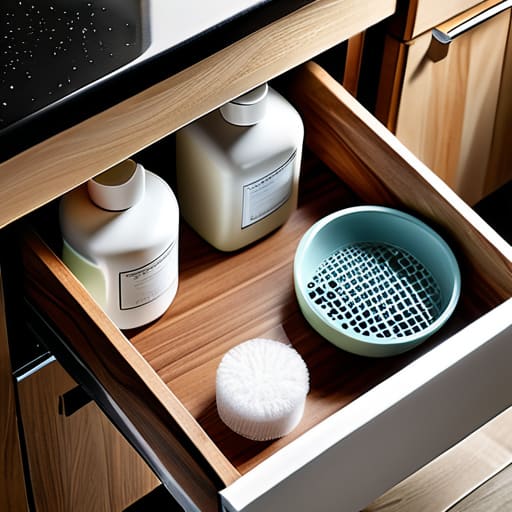
I’m going to say something that might ruffle a few feathers in the home-organization community: you do not need a $50 custom acrylic drawer system or a color-coded label maker to fix your kitchen. I spent way too many years thinking that learning how to organize under the sink meant recreating a showroom display, only to find that my “perfect” system fell apart the second I actually had to scrub a pan. The truth is, most of those high-end organizational hacks are just expensive distractions from the real problem: a lack of a functional workflow.
I’m not here to sell you on a lifestyle you can’t maintain; I’m here to help you build a system that actually survives your Monday morning. I want to show you how to use simple, low-cost tools to create a space where you can actually find the Windex without a scavenger hunt. We’re going to focus on repeatable, realistic setups that reduce your mental load rather than adding more chores to your to-do list.
Table of Contents
Maximizing Small Cabinet Space With Repeatable Systems
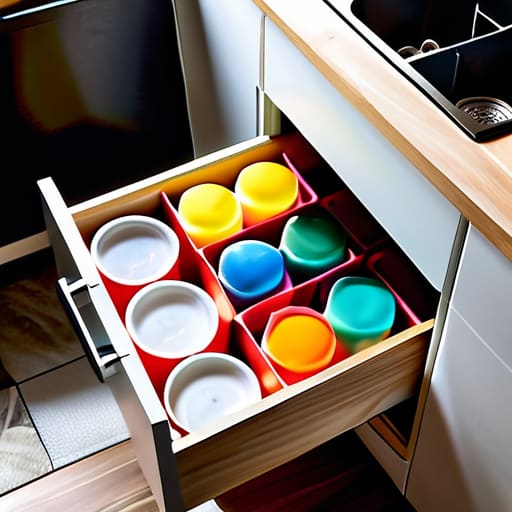
When you’re working with a cramped area, the biggest mistake is trying to stack things vertically without a plan. You end up with a “cleaning supply avalanche” every time you reach for the glass cleaner. Instead of just shoving bottles in the back, I’ve found that under sink pull out organizers are absolute game-changers. They turn a deep, dark abyss into something functional, letting you slide a drawer out to see exactly what you have without having to move five other items first.
If you’re dealing with a particularly tight spot, don’t overlook the door itself. I always suggest using adhesive hooks or small bins on the inside of the cabinet doors to keep sponges or scrub brushes within reach. To keep things feeling intentional rather than cluttered, I also swear by using waterproof cabinet liners. They protect your wood from those inevitable little leaks and make it much easier to wipe everything down during your weekly reset. It’s not about having a showroom; it’s about making sure you can actually find what you need in under five seconds.
Smart Cleaning Supply Storage Solutions for Real Life
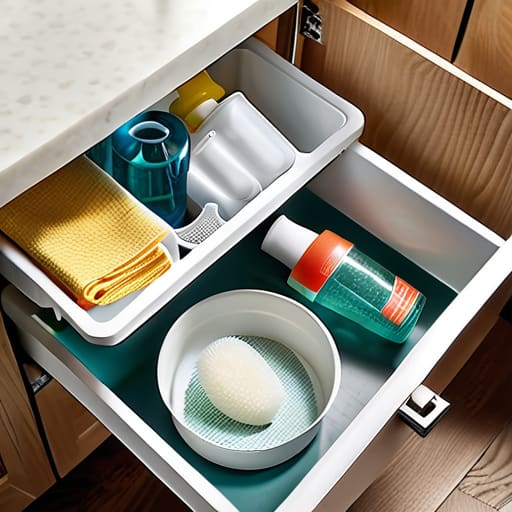
When it comes to actual cleaning, I’ve learned that if I have to dig through a mountain of sponges to find the glass cleaner, I’m probably just going to skip the task entirely. To prevent that, I rely on under sink pull out organizers or even just simple plastic bins. Grouping your supplies by “zone”—like one bin for bathroom sprays and another for kitchen degreasers—means you can grab exactly what you need without the frantic searching.
Since moisture is the enemy of a tidy cabinet, I also highly recommend using waterproof cabinet liners. They aren’t just about aesthetics; they act as a safety net for those inevitable drips from a half-empty bottle of bleach. It’s a small, low-effort step that makes maintaining your system much easier in the long run. You don’t need a high-end custom installation; you just need a setup that works with your actual habits.
Three Small Wins for a Functional Cabinet
- Stop trying to stack things vertically without a plan. I used to just pile spray bottles on top of sponges, and it was a disaster waiting to happen. Instead, grab a couple of tiered organizers or even just some small plastic bins. If you can see everything at a glance, you won’t end up buying a third bottle of glass cleaner just because you couldn’t find the first two.
- Don’t let the “junk” creep in. We all have that one cabinet that becomes a graveyard for random items like old sponges, half-empty bottles, or things that don’t even belong in the kitchen. Set a boundary: if it’s not a cleaning supply or something specifically for the sink, it doesn’t get a spot under there. Keeping the inventory intentional saves you from that frantic digging when a spill happens.
- Use the door, not just the shelves. Most people completely ignore the inside of the cabinet door, but it’s prime real estate. I love using a simple adhesive organizer or even just a few command hooks to hang scrub brushes or small spray bottles. It clears up the floor of the cabinet so you actually have room to move your hands around when you’re cleaning.
The Bottom Line for a Functional Sink
Don’t get caught up in the aesthetic; focus on visibility and accessibility so you aren’t digging through a dark abyss every time you need a sponge.
Build for your actual habits, not the person you wish you were—if you can’t maintain a complex tiered organizer, stick to a few sturdy bins that make sense for how you move.
Finding Your Flow Under the Sink
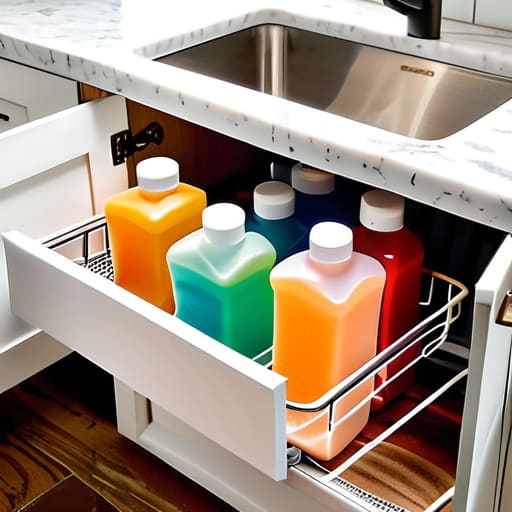
At the end of the day, organizing your under-sink area isn’t about achieving some impossible level of aesthetic perfection. It’s about the small wins: having a dedicated bin for your sponges, knowing exactly where the glass cleaner lives, and finally being able to reach that bottle of dish soap without a miniature avalanche of clutter. By implementing these simple systems—whether you’re using tiered organizers or just a few clear bins—you’re essentially removing a tiny friction point from your daily routine. When you don’t have to hunt for tools, you save time and, more importantly, you save your mental energy for things that actually matter.
Remember, your home should work for you, not the other way around. If a system feels too complicated or too high-maintenance, toss it out and try something simpler. The goal is to create a space that feels functional and calm, even when life gets messy. Start small, be patient with yourself, and focus on building habits that stick. You’ve got this.
Frequently Asked Questions
What should I do if my under-sink area has exposed pipes that make it impossible to use standard bins or drawers?
This is where the “Pinterest-perfect” dream usually hits a wall. Those awkward pipes are the ultimate space-killers, but they don’t have to be a dealbreaker. I’ve found that modularity is your best friend here. Instead of one large, bulky bin that won’t fit, use smaller, narrow containers that you can “Tetris” around the plumbing. If you have enough vertical clearance, a small tension rod can also be a lifesaver for hanging spray bottles.
How often should I actually reset this system so it doesn't just turn back into a cluttered mess after a week?
Honestly? Don’t aim for a monthly deep clean; that’s how systems go to die. I find that a “micro-reset” once a week—maybe while I’m waiting for my morning coffee or during my Sunday planning session—works best. Just spend two minutes pulling out anything that doesn’t belong and straightening the bins. It’s not about perfection; it’s just about catching the drift before the chaos takes over again.