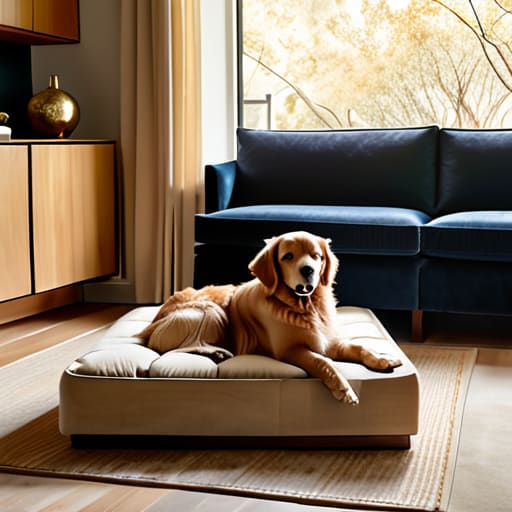
I used to think that having a beautiful home and owning a dog were mutually exclusive—that I’d eventually have to choose between my minimalist aesthetic and the inevitable layer of golden retriever fur on every single surface. I spent way too much money on “designer” pet beds that looked great for exactly three days before they were shredded or covered in mud. But here’s the truth: you don’t need to live in a sterile, showroom-perfect museum to feel at peace in your own space. Finding real pet friendly home ideas isn’t about buying expensive, specialized gadgets; it’s about building smart, repeatable systems that account for the chaos instead of fighting it.
In this guide, I’m skipping the fluff and the overpriced decor trends to focus on what actually works for a busy, lived-in life. I want to share the practical, low-maintenance shifts I’ve made in my own apartment to manage the hair, the smells, and the clutter without losing my mind. We’re going to look at functional solutions for everything from fabric choices to floor layouts, so you can stop managing the mess and start actually enjoying your pets (and your home) again.
Table of Contents
Durable Pet Friendly Fabrics and Scratch Resistant Furniture Materials
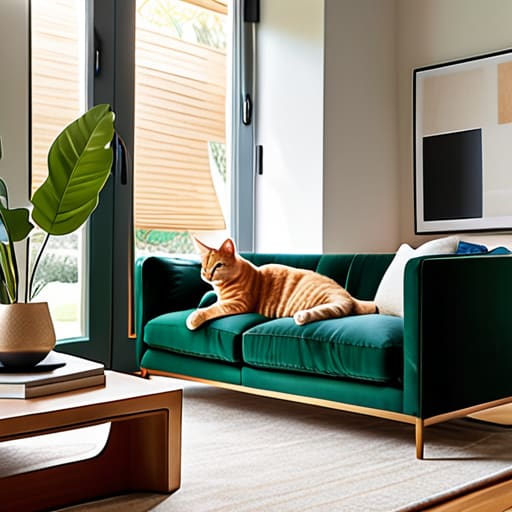
When it comes to the big pieces—the sofa you actually want to nap on and the dining chairs you use every day—I’ve learned that aesthetics have to take a backseat to durability. If you have a cat with a penchant for “redecorating” your upholstery, skip the delicate linens and look for scratch resistant furniture materials like performance velvet or tightly woven microfibers. These fabrics are surprisingly tough; they don’t snag easily, and most importantly, they don’t trap hair like a traditional weave does.
For everything else, I always lean toward synthetic blends or treated leathers. I used to obsess over finding the perfect organic cotton, but I quickly realized that life with pets is messy. Now, I prioritize durable pet friendly fabrics that can handle a quick wipe-down or a spot clean without losing their integrity. It’s not about finding something that looks museum-quality; it’s about choosing materials that can survive a zoomie session without making you want to hide in another room.
Creating a Dedicated Pet Station and Organizing Pet Supplies in Living Room
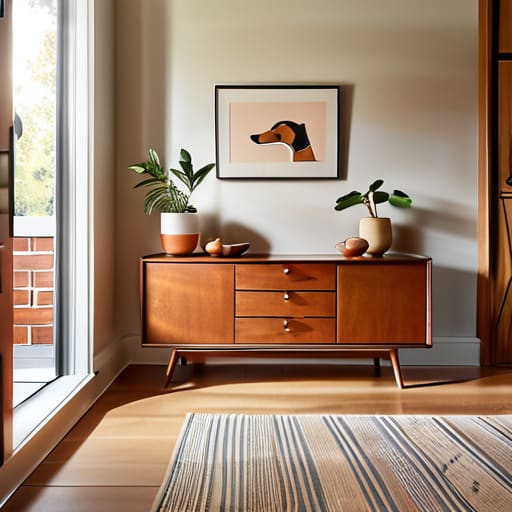
One of the biggest stressors of living with animals is the “visual clutter” that comes with it—those random bags of treats, stray leashes, and half-empty containers of grooming wipes that seem to migrate toward the center of the room. I’ve found that creating a dedicated pet station is the only way to stop that creep. Instead of letting supplies spill out of a plastic bin in the corner, I like to integrate a small, stylish sideboard or a slim console table into the living room layout. This allows you to tuck everything away behind closed doors, keeping your main living space feeling intentional and calm rather than like a storage unit.
If you’re working with a smaller apartment, you can get even more creative with organizing pet supplies in the living room by using decorative woven baskets or sleek, closed cabinetry. The goal isn’t to hide your pets, but to hide the stuff that comes with them. When everything has a designated “home”—from the heavy bag of kibble to the tiny individual poop bags—you spend less time hunting for things and more time actually relaxing with your furry companions.
Managing the Mess: Three Systems to Keep the Chaos Contained
- Create a “Landing Zone” for pet essentials. Instead of having leashes, treats, and muddy toys scattered across the entryway or coffee table, I use a small, stylish basket or a dedicated drawer near the door. It keeps the daily “must-haves” in one spot so you aren’t hunting for a leash when you’re already five minutes late for a client call.
- Implement a “Post-Walk Reset” routine. It sounds small, but keeping a dedicated towel and a paw-cleaning station right by the door saves your rugs from a mountain of dirt. I’ve found that if I make it a quick, two-minute habit right when we come inside, it prevents the need for a massive, exhausting deep-clean of the entire living room every weekend.
- Use “Zone-Based” toy storage. Rather than letting a mountain of squeaky toys migrate into your workspace or kitchen, assign specific bins to specific areas of the house. A small, low-profile basket tucked under the sofa works wonders for keeping the living area looking intentional and tidy, even when the zoomies hit.
Making It Work for You
Focus on materials and layouts that work with your pets’ natural behaviors rather than trying to fight them; choosing the right fabric is much easier than trying to stop a scratch.
Build small, repeatable systems—like a dedicated supply station—to prevent pet gear from becoming visual clutter that adds to your daily mental load.
Finding Your Balance
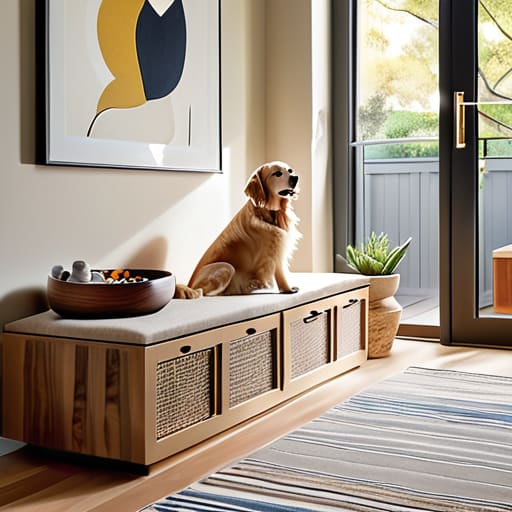
At the end of the day, building a pet-friendly home isn’t about finding a single magic product; it’s about layering small, intentional choices. By selecting durable, scratch-resistant fabrics and creating a designated, organized station for their supplies, you’re effectively reducing the daily friction that pet ownership can sometimes cause. You don’t have to sacrifice your aesthetic or your sanity to accommodate your four-legged roommates. It’s really just about implementing systems that work for both of you, ensuring that your living space remains a sanctuary rather than a source of constant tidying.
I always remind myself that our homes are meant to be lived in, not just looked at. If a little extra fur on the rug or a stray toy in the hallway means your dog is happy and you’re feeling connected, then that’s a win in my book. Focus on creating a space that feels functional and welcoming, rather than one that feels like a museum. Once you have these basic structures in place, you can stop worrying about the chaos and get back to the good stuff—like those long afternoon naps and cozy movie nights together.
Frequently Asked Questions
How can I keep my floors looking clean without constantly sweeping up pet hair every single day?
Honestly, I used to spend my entire Sunday just fighting a losing battle against tumbleweeds of fur. Now, I rely on a two-step system. First, I invested in a decent robot vacuum to run a scheduled sweep every morning while I’m working; it handles the “surface layer” of hair so it doesn’t accumulate. For the deeper stuff, I keep a cordless stick vacuum tucked in a reachable spot for quick, five-minute targeted sessions. It’s about maintenance, not marathons.
Are there any specific indoor plants that are actually safe to keep around my pets if they decide to take a nibble?
This is such a common worry for me—I love my indoor herb garden, but I’m always checking my plants whenever my pets get a little too curious. If you want to keep your greenery without the stress, I’d suggest sticking to things like Spider Plants, Calatheas, or even a lovely Boston Fern. They’re all non-toxic and safe if they decide to take a little nibble. It’s all about choosing plants that fit your lifestyle and your peace of mind.