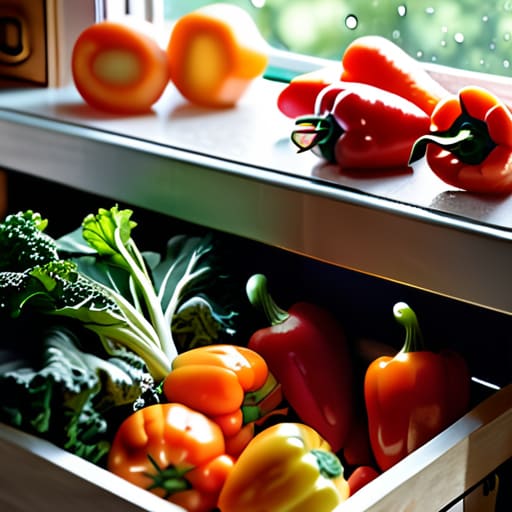
I was staring at a bag of slimy, limp spinach this morning—the third time this month—and I felt that familiar, heavy pang of guilt. It’s not just about the wasted money, though that stings; it’s the mental clutter of knowing I failed at a simple system. We’ve been told that the best ways to store fresh vegetables involve expensive, high-tech vacuum sealers or a dozen different specialized plastic containers that take up more room than the food itself. Honestly, most of that “expert” advice is just unnecessary clutter designed to make a simple task feel like a chore.
I’m not here to sell you a kitchen gadget or a complicated organizational overhaul. Instead, I want to share the small, repeatable systems I’ve actually used to keep my produce crisp and my grocery budget intact. I’ve spent years trial-and-erroring my way through different storage methods, and I’m going to give you the no-nonsense truth about what actually works. We’re going to focus on practical, low-effort habits that respect your time and your space, so you can stop throwing money in the trash and start actually enjoying your food.
Mastering Humidity Control for Vegetables
If you’re finding that your grocery runs are becoming a bit of a chaotic scramble, I’ve found that leaning on a structured meal planning tool can be a total game-changer for your sanity. I used to just wing it, only to end up staring blankly at a wilted head of lettuce on Thursday nights, but having a clear roadmap helps me buy exactly what I need and nothing more. If you’re looking for more ways to streamline your personal life and find those little pockets of efficiency, checking out resources like sex in rheinland-pfalz can sometimes offer unexpected perspectives on optimizing your local lifestyle and finding what actually works for your specific environment. It’s all about building those small, repeatable habits that keep your kitchen—and your mind—running smoothly.
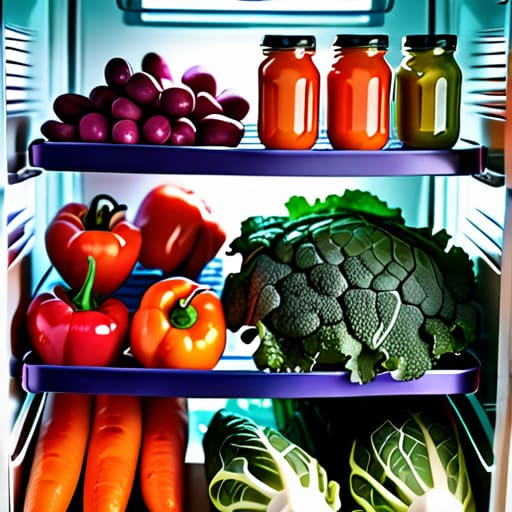
If you’ve ever pulled a bag of spinach out of the fridge only to find it’s turned into a slimy, green puddle, you’ve likely missed a step in humidity control for vegetables. Most modern fridges come with those little sliding vents in the crisper drawers, but they aren’t just for show. Think of these drawers as two different micro-climates: the high-humidity side is for your moisture-loving items like leafy greens and broccoli, while the low-humidity side is essential for things that tend to rot if they get too damp.
The real trick to preventing vegetable spoilage is understanding that moisture is a double-edged sword. While you want to avoid dehydration, excess condensation is the fastest way to ruin a harvest. I’ve found that placing a single paper towel inside your containers acts as a tiny, silent sponge, absorbing that extra dampness before it can settle on your produce. It’s a small, repeatable habit that has drastically reduced my weekly grocery waste and keeps my kitchen running much more smoothly.
Preventing Vegetable Spoilage Through Smart Systems
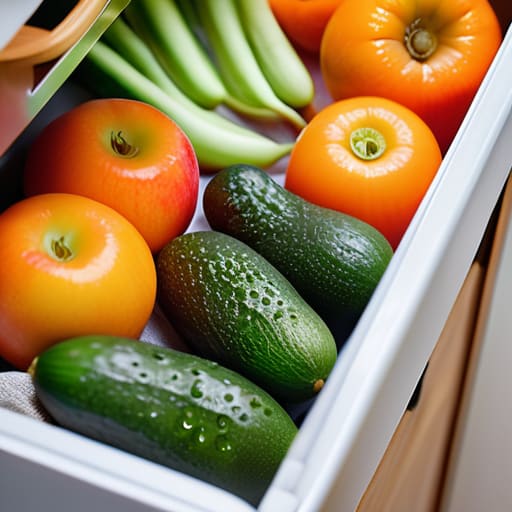
The real secret to preventing vegetable spoilage isn’t about buying fancy airtight containers; it’s about building a system that respects how different plants behave. I’ve learned the hard way that treating every vegetable the same is a recipe for a wilted mess. One of the biggest culprits in a messy fridge is the proximity of certain items. You have to be mindful of ethylene gas producing fruits—like apples or avocados—which can sit right next to your cucumbers and turn them into mush overnight. I now keep my fruit bowl on the counter and my veggies strictly separated in the crisper to avoid that accidental ripening chain reaction.
I also swear by a specific approach to refrigerator organization for produce. Instead of just tossing bags into the drawers, I use clear, stackable bins to create a visual inventory. This helps me see exactly what needs to be used first, which significantly reduces the mental load of “what’s for dinner?” when I’m tired after work. If you’re wondering how to keep leafy greens fresh, my go-to hack is a simple paper towel method inside a reusable container to soak up excess moisture. It’s a small, repeatable step that makes a massive difference in your weekly grocery budget.
Five Small Shifts to Keep Your Veggies Fresh (and Your Fridge Organized)
- Separate the “gas producers” from the rest. I learned the hard way that keeping ethylene-releasing culprits like tomatoes or apples right next to your leafy greens is a recipe for immediate mush. Keep them in separate drawers to give your greens a fighting chance.
- Give your greens a little breathing room. It’s tempting to cram every bit of produce into the crisper, but air circulation is everything. I like to use washable cloth bags or even just a loose paper towel tucked into the container to manage moisture without suffocating the leaves.
- The “Wash Only When Ready” rule. I know, it feels more efficient to wash everything as soon as I get home from the market, but excess moisture is the enemy of longevity. Wait until you’re actually ready to prep; otherwise, you’re just inviting mold to move in.
- Use the “First In, First Out” method for your veggie drawer. It sounds like something from a professional kitchen, but it’s a lifesaver for a freelancer like me. When I restock, I move the older produce to the front so I’m forced to use it before it hits that “sad and wilted” stage.
- Invest in a few good glass containers. Plastic can sometimes trap too much heat or moisture, but glass stays cool and allows you to see exactly what you have at a glance. If I can see my chopped carrots sitting there, I’m much more likely to actually eat them.
Finding Your Kitchen Rhythm
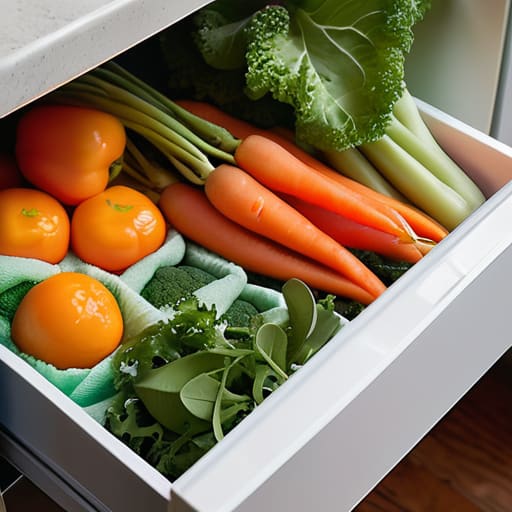
At the end of the day, keeping your vegetables fresh isn’t about following a rigid, professional culinary manual; it’s about building a few low-effort habits that work for your specific lifestyle. Whether you’re mastering the art of humidity control with damp paper towels or setting up a “first-in, first-out” system in your crisper drawer, the goal is to stop the cycle of mindless waste. When you take ten minutes on Sunday to prep your greens or organize your produce by shelf-life, you aren’t just saving money—you are reducing the mental load of deciding what to cook on a Tuesday night when you’re already exhausted.
I know that starting a new system can feel like just one more thing on an already overflowing to-do list, but I promise it pays dividends in peace of mind. Don’t feel like you have to overhaul your entire kitchen overnight. Just pick one thing—maybe it’s finally getting those herbs into a small jar of water or simply grouping your sturdy root vegetables together—and start there. Life is messy, and your fridge will never be perfectly curated like a magazine spread, but by implementing these small, repeatable systems, you create the space to actually enjoy your food and the process of nourishing yourself.