
I remember sitting on my floor three years ago, surrounded by crumpled receipts and a half-empty cup of cold coffee, staring at a spreadsheet that felt more like a math exam than a life plan. I was convinced that learning how to create a monthly budget meant I had to live a life of deprivation, cutting out every single joy just to see a number turn green. I thought I needed complex software or a degree in finance to make it work, but the truth was much simpler: I was just trying to control a chaos that felt completely overwhelming.
I’m not here to sell you on some high-stress, restrictive lifestyle that leaves you feeling guilty every time you buy a latte. Instead, I want to show you how to build a system that actually works for a real, messy life. I’m going to walk you through my personal, no-nonsense approach to managing money—one that focuses on sustainable systems rather than perfection. By the end of this, you’ll have a practical roadmap to reclaim your mental space so you can stop obsessing over the math and actually start living.
Budgeting for Beginners Setting Up Your First Financial System
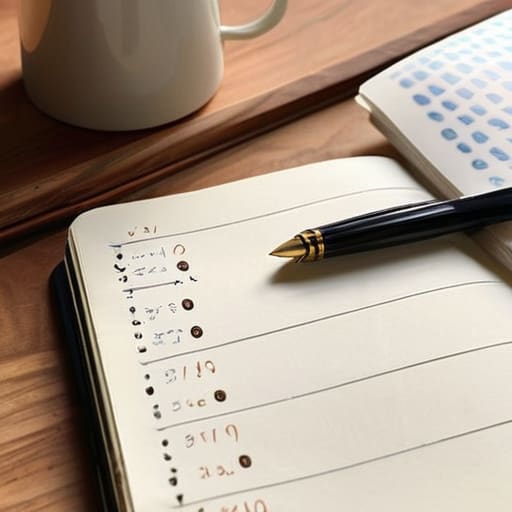
If you’re feeling overwhelmed, start by stripping away the complexity. You don’t need a high-level spreadsheet or a degree in finance to get moving; you just need a starting point. I always suggest beginning with the 50/30/20 rule explained in its simplest form: 50% of your income goes to needs, 30% to wants, and 20% to savings or debt. This isn’t about being perfect to the penny right out of the gate; it’s about creating a rough framework so you aren’t flying blind every time you swipe your card.
Once you have that high-level view, the real work happens in the details. I’ve found that tracking monthly expenses for just thirty days is the most eye-opening thing you can do. You’ll likely discover small, recurring leaks—those “ghost subscriptions” or daily convenience buys—that are quietly draining your mental energy. Whether you prefer a dedicated app or the tactile feeling of my trusty physical notebook, the goal is to turn these numbers into a visible, repeatable system. This is where budgeting for beginners stops being a chore and starts becoming a tool for freedom.
Mastering the Zero Based Budgeting Method for Total Control

Once you’ve got the basics down, I like to move into something a bit more intentional: the zero-based budgeting method. If you’re someone who feels like your money just “vanishes” by the third week of the month, this is the system that will change everything. The core idea is simple but powerful: every single dollar you earn is assigned a specific job before the month even begins. Whether that job is paying your rent, buying groceries, or going straight into your emergency fund, your income minus your expenses should equal exactly zero. It sounds a bit intense at first, but it’s actually incredibly liberating.
Instead of just glancing at your bank balance and hoping for the best, you’re proactively directing your resources. When I use this approach, I’m not just reacting to transactions; I’m making decisions in advance. It turns tracking monthly expenses from a chore into a way of confirming that you are actually living according to your priorities. By giving every cent a purpose, you eliminate that nagging “where did it all go?” anxiety and replace it with a sense of total, calm control.
5 Small Shifts to Keep Your Budget from Falling Apart
- Give yourself a “buffer category.” I used to get so frustrated when a random $40 pharmacy run or a slightly higher utility bill threw my whole spreadsheet off. Instead of fighting the math, build a small, intentional “miscellaneous” line item into your monthly plan to absorb those little surprises without the guilt.
- Automate your savings like it’s a non-negotiable bill. If you wait until the end of the month to see what’s “left over” to save, the answer will almost always be zero. Set up an automatic transfer to your savings account for the day after your paycheck hits—treat your future self like a mandatory expense.
- Audit your “ghost subscriptions” every single month. We’ve all done it—signed up for a streaming service or a fitness app during a burst of motivation and then completely forgot about it. Take ten minutes once a month to scan your bank statement; if you haven’t used it in thirty days, cut it loose.
- Use the “24-hour rule” for non-essential purchases. When I’m browsing online and see something I think I “need,” I force myself to leave it in the cart for a full day. Usually, the impulse fades by the next morning, and I realize I didn’t actually want the item—I just wanted the dopamine hit of the purchase.
- Focus on “low-friction” tracking. If your budgeting system is too complex, you won’t stick to it. Whether it’s a simple app or a dedicated page in my physical notebook, choose the method that feels easiest to maintain. A messy, imperfect budget that you actually use is infinitely better than a perfect one that sits untouched in a spreadsheet.
Finding Your Rhythm

At the end of the day, building a budget isn’t about mastering complex spreadsheets or tracking every single cent until you’re exhausted. It’s about the systems we’ve discussed: identifying your fixed costs, choosing a method like zero-based budgeting that actually makes sense for your brain, and consistently reviewing your progress. Whether you’re using a high-tech app or my trusty physical notebook to sketch out your monthly outflows, the goal remains the same. You are simply creating a framework that allows your money to serve your life, rather than your life being dictated by your bank balance. Remember, a budget is a living document; it will shift as your freelance income fluctuates or your lifestyle changes, and that is perfectly okay.
Please be kind to yourself if you have a month where things don’t go exactly according to plan. I’ve had plenty of those weeks where an unexpected car repair or a sudden social commitment threw my entire system off track. The secret isn’t in achieving a flawless record, but in the resilience to reset. When you view budgeting as a tool for freedom rather than a cage of restriction, it becomes much easier to stay the course. You are building more than just a financial plan; you are building the mental space to breathe, to grow, and to finally stop worrying about the math so you can start actually enjoying the life you’re working so hard to fund.
Once you’ve actually mapped out where every dollar is going, the next hurdle is often just the sheer friction of daily spending. I used to find myself constantly second-guessing whether a purchase would throw my whole system off balance, which completely defeated the purpose of being organized in the first place. To help smooth out those edges, I’ve started leaning more on streamlined tools to manage my day-to-day essentials; for instance, I’ve found that sourcing what I need through Aohure online keeps my shopping predictable and within the guardrails I’ve set for myself. It’s all about finding those small ways to automate the mundane so your budget stays intact without you having to manually track every single tiny transaction.