
I remember sitting on my floor three years ago, surrounded by crumpled statements and a half-empty cup of lukewarm tea, feeling completely paralyzed by my own finances. I had this nagging sense that I was doing something wrong, but every time I tried to research it, I’d end up in a rabbit hole of banking jargon that felt designed to keep me confused. It turns out, understanding different types of bank accounts shouldn’t feel like studying for a bar exam. Most of the “expert” advice out there is either way too complex or pushes high-fee products that actually work against your goals.
When you’re finally getting your accounts organized, it’s easy to feel like you’re drowning in paperwork and digital logins, so I always suggest looking for tools that help you visualize your progress. I’ve found that keeping a simple spreadsheet or using a dedicated budgeting app makes the whole process feel much less daunting. If you’re looking for ways to connect with others who are navigating similar lifestyle shifts or just need a bit of community support while you’re streamlining your life, checking out transen wuppertal kontakte can be a helpful way to find that local connection and shared experience. Ultimately, the goal isn’t just to have money in an account, but to build a system that actually works for you without constant babysitting.
I’m not here to give you a lecture on high-level macroeconomics or sell you on some fancy investment vehicle you don’t need. Instead, I want to help you build a functional system that actually works for your real, messy life. I’m going to break down the essentials—from the everyday checking account to the high-yield savings tools—so you can stop guessing and start organizing. My goal is to give you the clarity you need to manage the chaos and finally feel like you’re the one in the driver’s seat.
Checking vs Savings Account Differences Managing Your Daily Chaos

Think of your checking and savings accounts as the two different modes of your life: one is for the “doing,” and the other is for the “growing.” Your checking account is your daily command center. It’s where your paycheck lands and where your rent, groceries, and coffee runs live. It’s built for high frequency and quick access, but because the money is constantly moving, you shouldn’t expect much in return regarding growth. This is where the checking vs savings account differences become most obvious in your day-to-day flow; one is a transit hub, while the other is a reservoir.
Your savings account, on the other hand, is where you park the money you aren’t planning to touch this week. This is your buffer against the unexpected. When I’m managing personal finances through banking, I treat my savings as a separate zone to prevent “lifestyle creep” from eating into my emergency fund. Ideally, you want to look for an account that offers decent interest rates on bank accounts so your money isn’t just sitting idle, but actually working a little bit while you sleep. Keeping these two worlds distinct is the simplest way to stop the mental leak of wondering if you can actually afford that weekend trip.
High Yield Savings Account Benefits Creating Your Financial Buffer
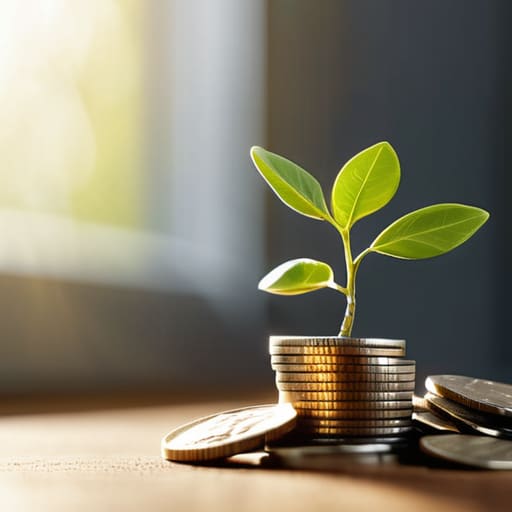
If your checking account is for the daily “now,” think of a High-Yield Savings Account (HYSA) as your financial safety net for the “later.” While a standard savings account often feels like it’s just sitting there, an HYSA actually works for you. The biggest of the high yield savings account benefits is the interest rate; because these accounts are often offered by online-only banks with lower overhead, they can pay significantly more than the traditional brick-and-mortar institutions we’re used to. It’s the difference between your money slowly losing value to inflation and your money actually growing while you sleep.
I like to treat my HYSA as a dedicated space for my “what if” fund—emergency repairs, a sudden vet bill, or that unexpected car maintenance. By separating these funds from your everyday spending, you avoid the temptation to dip into them for a spontaneous weekend trip. It’s one of those small, repeatable systems that makes managing personal finances through banking feel less like a chore and more like a strategy. When you see those interest payments hit your statement each month, it feels like a tiny, quiet win for your future self.
5 Small Systems to Keep Your Money Moving Smoothly
- Treat your accounts like specialized containers. Just like I wouldn’t store fresh basil in the same bin as my dried oregano, don’t mix your “rent money” with your “vacation fund.” Giving each goal its own dedicated account prevents that accidental dip into funds you actually need for bills.
- Automate the boring stuff. I’ve found that the best way to manage the mental load is to set up automatic transfers from your checking to your savings the day after payday. If you never see the money in your checking account, you won’t miss it, and your buffer grows without you having to remember to do a thing.
- Watch out for the “hidden” friction. Before opening an account, look closely at the fine print for monthly maintenance fees or minimum balance requirements. There’s nothing more frustrating than a system that’s supposed to help you feeling like it’s actually draining you through tiny, annoying fees.
- Use your banking app as a dashboard, not just a calculator. Most modern banks allow you to nickname your accounts. I personally name mine things like “Emergency Rainy Day” or “New Laptop Fund”—it makes the numbers feel a lot more real and gives you a little psychological nudge to stay on track.
- Schedule a quarterly “financial reset.” Once every three months, take twenty minutes to sit down with my physical notebook and review my account balances. It’s not about intense budgeting; it’s just about making sure my accounts are still serving my current life and that no weird subscriptions have snuck in.
Finding Your Financial Flow

At the end of the day, choosing your accounts isn’t about finding the “perfect” setup that looks good on a spreadsheet; it’s about building a system that actually works for your specific lifestyle. Whether you’re using a checking account to navigate the daily ebb and flow of groceries and bills, or tucking away an emergency fund in a high-yield savings account to create that much-needed safety net, the goal is the same: reducing your mental load. By separating your spending money from your long-term goals, you stop playing a constant game of financial Tetris and start seeing exactly where your money is going. It’s about intentionality over complexity, ensuring every dollar has a designated home so you don’t have to guess when life throws a curveball.
I know that staring at bank statements and account types can feel overwhelming, especially when you’re already juggling a million other things. But please remember that you don’t have to master your entire financial life by tomorrow morning. Start with one small adjustment—maybe it’s just opening that high-yield account or setting up an automatic transfer—and build from there. Financial stability isn’t a destination you suddenly arrive at; it’s a series of small, repeatable habits that eventually turn into peace of mind. You’ve got this, and once these systems are in place, you’ll finally have the mental breathing room to stop worrying about the numbers and start actually enjoying your life.