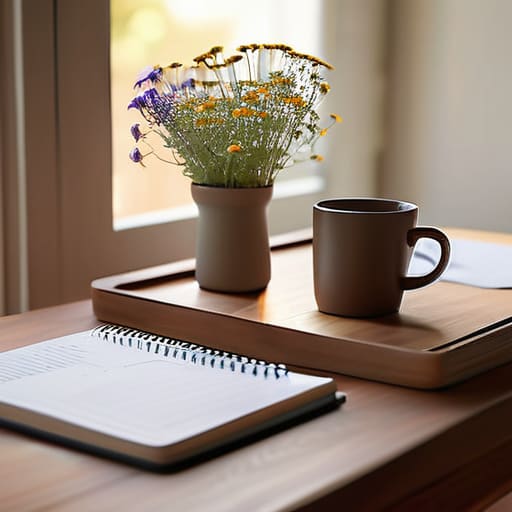
I remember sitting at my kitchen table three years ago, surrounded by half-empty coffee mugs and a tangle of charging cables, staring at a project timeline that felt more like a work of fiction than a plan. I had all the fancy productivity apps downloaded, but my brain still felt like a browser with fifty tabs open, most of them frozen. I realized then that most of the advice out there regarding strategies for effective remote work management is just noise—expensive, over-engineered software solutions that promise to fix your life but actually just add more notifications to your day.
I’m not here to sell you on a complicated digital overhaul or a twenty-step morning ritual that takes two hours to complete. Instead, I want to share the small, repeatable systems that actually helped me transition from corporate chaos to a sustainable freelance life. We’re going to focus on low-friction habits and practical boundaries that protect your focus without draining your energy. My goal is to help you build a workflow that feels calm and intentional, so you can actually close your laptop at 5:00 PM and leave the mental load behind.
Optimizing Your Digital Workspace for Mental Clarity
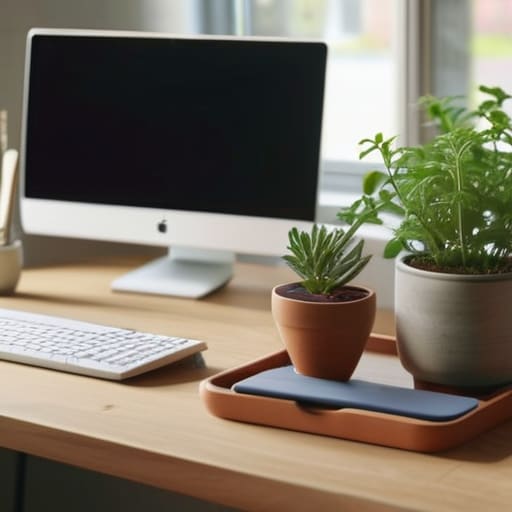
If your desktop is a graveyard of random screenshots and “Untitled” documents, your brain is likely feeling that clutter, too. I’ve learned the hard way that a chaotic digital environment leads to decision fatigue before I’ve even had my second cup of coffee. To fix this, I prioritize digital workspace optimization by treating my file structure like my physical herb garden: everything needs a specific, designated spot. Start by implementing a strict naming convention for your folders and clearing your desktop every Friday afternoon. It’s a small, repeatable ritual, but it prevents that overwhelming “where did I put that?” panic from derailing your focus.
Beyond just organizing files, we need to look at how we interact with our tools. I’m a huge advocate for building asynchronous communication workflows to protect your deep-work blocks. Instead of letting constant Slack notifications fragment your attention, try setting specific windows for checking messages. This shift allows you to move away from reactive multitasking and toward intentional, high-impact work. By creating these digital boundaries, you aren’t just managing tasks; you’re protecting your mental bandwidth.
Asynchronous Communication Workflows to Reclaim Your Focus
The biggest thief of my productivity used to be the “quick question” notification that popped up every five minutes. When you’re working remotely, it’s easy to fall into the trap of thinking you need to be “always on” to prove you’re actually working. But constant interruptions are the enemy of deep work. I’ve found that implementing asynchronous communication workflows is the only way to protect my focus without leaving my team in the dark. Instead of expecting an immediate reply to every Slack message, try setting expectations that responses might take a few hours. This shift moves us away from reactive chaos and toward a more intentional way of collaborating.
To make this work, you have to lean into the right virtual team communication tools—but use them with intention. For example, I use Loom to send quick video walkthroughs instead of scheduling a twenty-minute Zoom call that breaks everyone’s flow. It allows my teammates to digest the information when it actually fits into their schedule. It’s not about being less responsive; it’s about being more meaningful with the time we do spend interacting.
Five Small Rituals to Keep Your Workday from Bleeding Into Your Life
- Set a “hard stop” ritual to signal the end of your workday. Whether it’s physically closing your laptop and putting it in a drawer or taking a quick ten-minute walk around the block, you need a sensory cue to tell your brain that the “manager” version of you is officially off the clock.
- Audit your notification settings to create “deep work” windows. I used to feel like I had to respond to every Slack ping instantly to prove I was actually working, but that’s a recipe for burnout. Pick two or three blocks of time a day where you go completely dark on messaging so you can actually get through your heavy lifting.
- Use a “brain dump” notebook for mid-day distractions. When a random thought—like needing to buy more basil for my kitchen or a sudden worry about a bill—pops up while you’re in a flow state, don’t chase it. Scribble it down in your physical notebook and promise to deal with it later; it keeps your mental tabs from staying open unnecessarily.
- Schedule “buffer zones” between back-to-back meetings. We often treat our digital calendars like a game of Tetris, squeezing calls together with zero breathing room. Try blocking out fifteen minutes after every hour to stretch, grab water, or just stare out the window. It prevents that mid-afternoon brain fog from setting in.
- Create a weekly “Sunday Reset” for your digital files. Spend just twenty minutes every Sunday evening clearing your desktop, filing away loose downloads, and glancing at your upcoming week’s project milestones. It’s not about being a perfectionist; it’s about starting Monday morning with a clean slate instead of a digital mess.
Finding Your Own Rhythm
At the end of the day, managing a remote workflow isn’t about adopting every shiny new productivity app or forcing yourself into a rigid eight-hour block of deep work. It’s about the small, intentional shifts we discussed: curating a digital space that doesn’t feel like a cluttered junk drawer, setting boundaries around your notifications, and leaning into asynchronous communication so you aren’t constantly reacting to pings. When you implement these tiny, repeatable systems, you stop playing defense against your inbox and start playing offense with your actual priorities. It’s about moving away from the feeling of constant “busyness” and moving toward a state of true operational clarity.
Please remember that your systems should serve you, not the other way around. If a new workflow feels too heavy or starts adding to your mental load instead of lightening it, give yourself permission to scrap it and try something else. Perfection is a myth that only leads to burnout, but functionality is something we can build together, one small habit at a time. I hope these tools help you find a little more breathing room in your workday so you can actually enjoy the life you’re working so hard to build. You’ve got this.
Beyond just setting up your digital tools, I’ve found that the most important part of a remote workflow is having a reliable way to actually connect with people without the constant ping of a notification. Sometimes, when the heavy project management tasks start feeling a bit isolating, I find it helpful to step away from the formal task lists and just engage in some lighter, more human conversation. I’ve been using casualliverpool chat as a little way to decompress and find some social balance during the workday, which really helps me reset my mental energy before diving back into deep work.