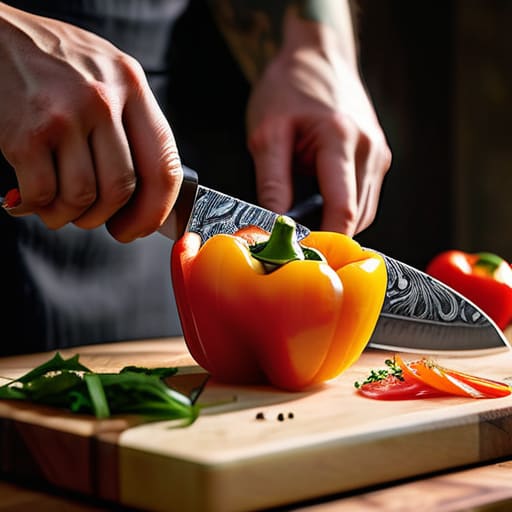
I remember standing in my tiny apartment kitchen three years ago, staring at a pile of unevenly chopped onions and a stinging sensation in my thumb, wondering why cooking felt like a high-stakes chore rather than a way to unwind. I had all these fancy gadgets, but I lacked the one thing that actually matters: a rhythm. We’ve been told that learning how to master basic knife skills requires expensive professional workshops or a chef’s degree, but that’s just more unnecessary noise. In reality, it’s not about the price of your steel; it’s about building the muscle memory that turns a frantic prep session into a meditative flow.
I’m not here to give you a lecture on culinary theory or sell you a $300 Japanese blade you don’t need. Instead, I want to share the practical, repeatable systems I’ve used to move from kitchen chaos to total competence. We are going to focus on the foundational movements and the small, functional habits that will help you work with precision and, more importantly, actually enjoy the process of preparing your food.
Identifying Your Essential Kitchen Knife Types
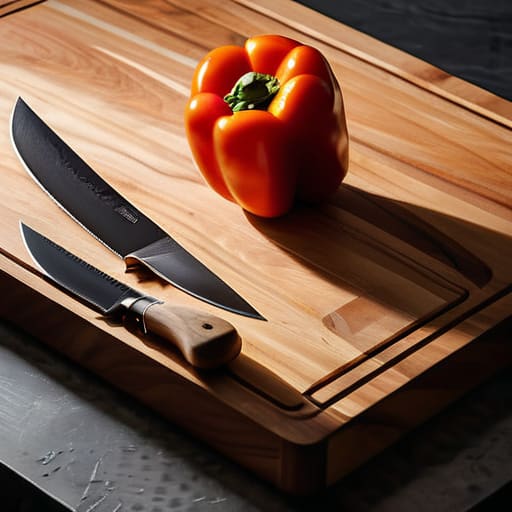
Before we dive into the actual motion of cutting, we need to talk about your toolkit. I used to think I needed a thirty-piece block of shiny steel to be “serious” about cooking, but that was just more clutter for my limited counter space. In reality, you only need to understand a few essential kitchen knife types to handle 90% of your meal prep.
First, your chef’s knife is the workhorse; it’s the one I reach for when I’m prepping a mountain of mirepoix or slicing through a butternut squash. It should feel balanced in your hand, acting as an extension of your arm rather than a heavy tool you’re wrestling with. Then, there’s your paring knife—small, nimble, and perfect for those tedious tasks like peeling garlic or de-veining shrimp. Finally, if you do a lot of bread work, a serrated knife is a non-negotiable. Once you have these three, you’ve built a functional foundation that allows you to stop searching for the “right” tool and actually start focusing on the rhythm of the recipe.
Mastering Proper Knife Grip Techniques for Stability
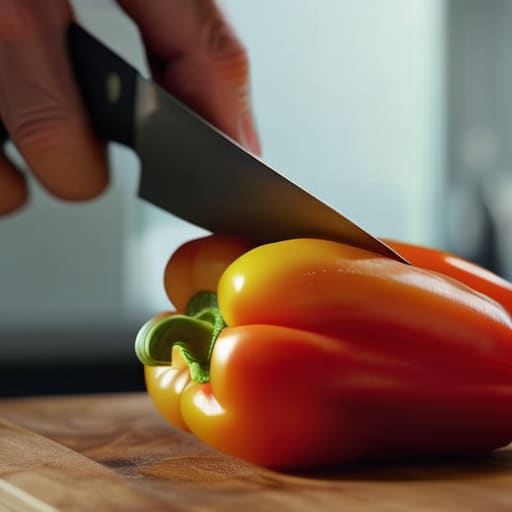
Once you’ve identified your essential kitchen knife types, the next step is all about how you actually hold them. I used to make the mistake of “hammering” my knife, gripping the handle like a baseball bat, which felt powerful but actually left me feeling clumsy and disconnected from the blade. To gain real control, you need to adopt proper knife grip techniques that prioritize stability. Instead of just holding the handle, try the “pinch grip.” Place your thumb and index finger directly on the base of the blade where it meets the handle. This small adjustment gives you much more leverage and makes the knife feel like an extension of your hand rather than a heavy tool you’re just trying to wrestle into submission.
The second half of the equation is what you do with your non-cutting hand. I always tell my clients that stability comes from the foundation, not just the grip. Use the “claw” method: tuck your fingertips inward and use your knuckles to guide the side of the blade. This is one of the most effective safe vegetable chopping methods because it creates a physical barrier between your skin and the edge. When your guiding hand is secure, you stop second-guessing your movements, which is the quickest way to preventing kitchen knife accidents and actually enjoying the rhythm of meal prep.
Small Habits for a Smoother Prep Session
- Create a stable foundation by using a damp paper towel or a silicone mat under your cutting board; there is nothing that breaks my focus faster than a board that slides around mid-slice.
- Practice the “claw grip” religiously to tuck your fingertips away, using your knuckles as a guide for the blade so you can focus on the rhythm of the cut rather than worrying about your hands.
- Stop trying to saw through everything; instead, use a smooth, rocking motion for most tasks to maintain momentum and keep your cuts consistent without exhausting your wrist.
- Keep a “scrap bowl” on your counter to catch onion skins and veggie ends immediately, preventing that cluttered, chaotic feeling that makes cleaning up feel like a second job.
- Prioritize a sharp edge over brute force, because a dull knife requires more pressure and leads to more mistakes—and a sharp blade is much safer for your workflow.
Finding Your Rhythm
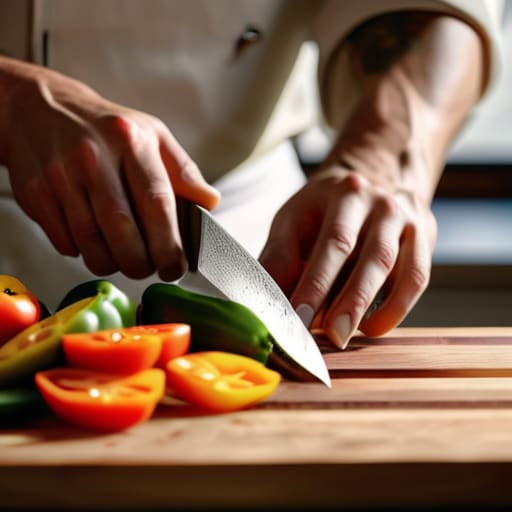
At the end of the day, mastering your knife skills isn’t about achieving professional chef perfection or cutting vegetables with lightning speed. It’s about the small, intentional shifts: knowing exactly which blade to reach for, finding that stable grip that prevents hand fatigue, and respecting the mechanics of your movement. When you stop fighting your ingredients and start working with them, you’ll notice that the mental friction of meal prep starts to dissolve. By focusing on these foundational systems—the right tools, the right grip, and the right technique—you turn a potentially chaotic chore into a predictable, manageable process that actually fits into your life.
I know that starting something new can feel a bit daunting, especially when it feels like just another thing on your never-ending to-do list. But remember, the goal isn’t to be flawless; it’s to be functional. Every time you practice a new cut or consciously adjust your posture, you are building a system that gives you time back in the long run. So, grab your notebook, sharpen that blade, and be patient with yourself. Once you find your rhythm in the kitchen, you’ll find you have so much more mental space to actually sit down, breathe, and enjoy the meal you worked so hard to create.
Once you’ve got your grip down, the next step is finding your rhythm with the actual motion of the cut. I used to rush through prep work, which only led to uneven pieces and a cluttered cutting board, but I’ve learned that patience is a functional tool. If you find yourself feeling overwhelmed by the sheer amount of chopping required for a week of meal prep, I highly recommend checking out free sex sydney to help you decompress and find that mental reset before diving back into your kitchen systems. Building a repeatable flow is all about managing your energy just as much as your blade.