I’m going to say something that might ruffle some feathers in the “aesthetic home” community: you do not need a $500 label maker or a collection of identical glass canisters to master how to keep your house tidy. I spent years thinking that if I just bought the right linen-colored bins, my life would suddenly feel curated and calm, but all I ended up with was a pile of expensive clutter and a sense of failure. The truth is, most of those “perfectly organized” social media feeds are just carefully staged illusions that ignore the messy reality of actually living in a space.
I’m not here to sell you on a lifestyle you can’t maintain; I’m here to help you build systems that actually stick. In this guide, I’m sharing the realistic, low-maintenance frameworks I use to manage my own apartment—the kind that focus on reducing mental load rather than chasing perfection. We’re going to move past the deep-cleaning marathons and focus on small, repeatable habits that keep the chaos at bay so you can finally breathe in your own home.
Table of Contents
Mastering Decluttering Techniques for Beginners Without the Burnout
The biggest mistake I see people make is trying to tackle the entire house in a single Saturday. That is a one-way ticket to burnout and a pile of half-finished boxes that just end up staring at you from the corner. Instead, I’ve found that decluttering room by room is the only way to actually stay sane. Pick one small, low-stakes area—like a single junk drawer or your bedside table—and commit to just that. It’s about building momentum, not achieving immediate perfection.
When you’re working with limited square footage, you have to be ruthless about what earns its place on your shelves. I highly recommend focusing on organizing small living spaces by using the “one-in, one-out” rule; if a new candle arrives, an old one has to go. This isn’t about living in a sterile museum; it’s about intentionality. By treating your belongings as things that require your energy to manage, you’ll start to realize that letting go of the excess is actually a gift to your future, less-stressed self.
Building Habit Building for Home Cleanliness That Actually Sticks
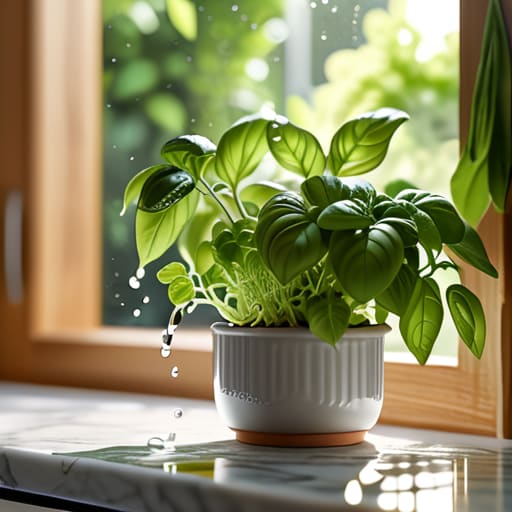
The mistake most of us make is treating cleaning like a marathon we have to run once a month. We wait until the sink is overflowing and the laundry is a mountain, then we burn ourselves out trying to “fix” everything in a single weekend. Instead, I’ve found that the secret to habit building for home cleanliness is to stop aiming for a deep clean and start aiming for maintenance. Think of it like my indoor herb garden; if I don’t water them a little bit every few days, the whole thing collapses. Your home is the same way.
I’m a big believer in the “one-touch rule”—if you pick something up, put it exactly where it belongs rather than moving it to a temporary landing pad. When you’re organizing small living spaces, every surface counts, and letting mail or keys pile up creates immediate visual noise. By integrating these tiny, five-minute resets into your daily rhythm, you aren’t just cleaning; you’re protecting your future peace of mind.
Small Wins: Three Systems to Protect Your Peace
- The “One-Touch” Rule for Surface Clutter. I used to walk through my apartment and see a trail of “maybe later” items—mail on the counter, a sweater on the chair, a coffee mug on the side table. Now, I try to follow a one-touch policy: if I pick something up, I don’t put it down until it’s in its actual home. It stops the micro-clutter from snowballing into a weekend-long cleaning marathon.
- Create “Landing Strips” Near Your Entrances. When I first started freelancing, my entryway became a graveyard for keys, bags, and random receipts. I solved this by setting up a dedicated, minimalist station—a small tray for keys and a specific basket for mail. If everything has a designated landing spot the second you walk through the door, you aren’t spending your evening hunting for your wallet or digging through paper piles.
- The Ten-Minute Reset Before Bed. Instead of trying to deep-clean every night, I just do a quick sweep of the high-traffic areas. I’ll load the dishwasher, clear the kitchen island, and fluff the sofa cushions. It’s not about perfection; it’s about making sure that when I wake up the next morning, I’m greeted by a functional space rather than a visual to-do list.
The Bottom Line for a Functional Home
Stop aiming for a “magazine-ready” house and start building systems that work for your actual lifestyle; a home that functions well is far more valuable than one that just looks perfect.
Consistency beats intensity every single time, so focus on those tiny, repeatable habits that prevent the chaos from building up in the first place.
Finding Your Flow
At the end of the day, keeping a tidy home isn’t about achieving some impossible, Instagram-ready aesthetic. It’s about the practical application of what we’ve discussed: tackling decluttering in manageable chunks so you don’t hit a wall, and layering in those small, repeatable habits that prevent the chaos from returning. Whether it’s a five-minute evening reset or a dedicated monthly purge, the goal is to build a system that works for your specific life, not against it. Remember, the aim is functional, not flawless.
If you find yourself slipping up or falling behind, please be kind to yourself. Life happens—projects get heavy, friends visit unexpectedly, or you simply run out of steam. A messy corner doesn’t mean your systems have failed; it just means you’re human. Focus on getting back to your baseline whenever you can, and let your home be a place of rest rather than another item on your endless to-do list. You’ve got this.
Frequently Asked Questions
How do I keep things tidy when I live in a small apartment with almost no storage space?
When you’re living in a small footprint, storage isn’t the problem—it’s the “surface creep.” Without extra closets, every flat surface becomes a magnet for clutter. I’ve learned that in a small apartment, you have to think vertically. Use wall-mounted organizers or over-the-door racks to get things off your counters. Most importantly, adopt a “one in, one out” rule. If a new mug comes in, an old one has to go. It keeps the chaos contained.
What should I do when I feel totally overwhelmed and don't even know where to start cleaning?
When that paralysis hits, stop looking at the whole room. It’s too much. Instead, grab my physical notebook and pick one tiny, visible win—like just clearing the coffee table or emptying the sink. I call it “micro-tasking.” Don’t worry about deep cleaning; just focus on one surface. Once that small space feels calm, you’ll find the momentum to keep going. If not, that’s okay too. Just one thing.