
I remember sitting on my kitchen floor three years ago, staring at a laptop screen and a pile of unexpected repair bills, feeling that familiar, hollow pit in my stomach. It wasn’t just the money; it was the sheer exhaustion of feeling like I was constantly one bad break away from total chaos. Most financial gurus will tell you that learning how to build an emergency fund requires a complete lifestyle overhaul or a complex series of high-yield investment strategies, but honestly? That’s just noise. You don’t need a PhD in finance to create a safety net; you just need a system that actually works with your real, messy life.
I’m not here to sell you on some overnight wealth hack or a rigid budget that leaves you feeling deprived. Instead, I want to share the small, repeatable steps I used to transition from constant financial anxiety to a place of genuine stability. We’re going to look at how to build an emergency fund through manageable, low-stress habits that fit into a freelance schedule and a tight apartment budget. My goal is to help you build a buffer so solid that when life inevitably throws a curveball, it’s just an inconvenience rather than a catastrophe.
Table of Contents
Mastering Financial Security Basics Through Small Repeatable Systems
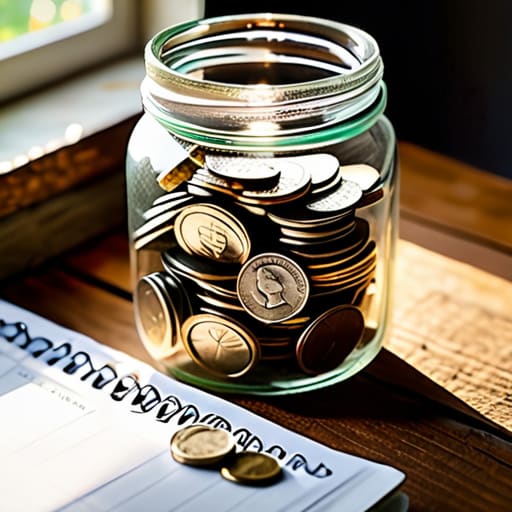
When I first started freelancing, the lack of a predictable paycheck used to keep me up at night. I realized that mastering financial security basics isn’t about having a massive windfall; it’s about building a buffer that absorbs the impact of life’s little jolts. Instead of trying to save a huge lump sum all at once, I started focusing on monthly savings goals that felt actually achievable. Even if it was just fifty dollars a month, that small, consistent rhythm started to change my relationship with my bank balance.
To make this work, I had to stop keeping my “just in case” money in my everyday checking account where it’s too easy to accidentally spend on a grocery run or a new plant. Now, I keep my buffer in a high yield savings account for emergencies. It keeps the money out of sight, but more importantly, it allows it to grow slightly while it sits there. By treating this fund as a non-negotiable part of my monthly workflow—almost like a recurring utility bill—I’ve turned what used to be constant anxiety into a manageable, automated system.
Using an Emergency Fund Calculator for Better Unexpected Expense Management

When I first started trying to get my finances in order, I felt completely overwhelmed by the sheer math of it all. I knew I needed a buffer, but I had no idea what “enough” actually looked like. This is where using an emergency fund calculator becomes a game-changer. Instead of guessing and feeling like you’re throwing money into a void, these tools help you translate your actual lifestyle costs—rent, groceries, utilities—into a concrete number. It turns a vague, scary concept into a tangible target that feels much more manageable.
Once you have that number, the focus shifts from panic to precision. I like to use the output to set realistic monthly savings goals that don’t feel like they’re suffocating my current lifestyle. It’s not about hitting a massive milestone overnight; it’s about using that data to drive consistent, small wins. By knowing exactly what you’re aiming for, you can stop worrying about the “what ifs” and start focusing on the system that will eventually carry you through them.
Three Small Ways to Start Building Your Buffer
- Automate the “invisible” savings. I’ve found that if I have to manually move money into my savings account every month, I’ll eventually find an excuse not to do it. Set up a recurring transfer for the day after your paycheck hits—even if it’s just $25—so the system works in the background without you having to think about it.
- Create a “micro-fund” for immediate stressors. Before you try to tackle a massive six-month cushion, aim for a small, reachable goal like $500 or $1,000. Having that tiny bit of breathing room for a broken appliance or a sudden vet bill builds the psychological momentum you need to keep going toward the bigger milestones.
- Audit your “subscription creep.” Grab that physical notebook of mine and sit down for twenty minutes to look at your bank statement. We often lose money to small, recurring digital leaks—apps we don’t use or streaming services we forgot about. Redirecting those “lost” dollars directly into your emergency fund is one of the easiest ways to grow your balance without feeling any actual lifestyle sacrifice.
Making It Stick: My Two Biggest Lessons
Don’t wait for a “surplus” to start saving; instead, treat your emergency fund like a non-negotiable monthly bill that pays your future self.
Focus on building the habit of consistency rather than the size of the number, because a small, automated system is much more sustainable than a one-time windfall.
Finding Your Financial Calm

At the end of the day, building an emergency fund isn’t about achieving some arbitrary number or becoming a master of austerity. It’s about the tools we’ve discussed: using a calculator to set a realistic baseline, automating your transfers so you don’t have to think about them, and treating your savings like a non-negotiable line item in your monthly budget. By shifting your focus from “saving money” to “building a system,” you take the emotional sting out of the process. You aren’t just hoarding cash; you are constructing a safety net that works quietly in the background of your life.
Please remember that progress is rarely a straight line. There will be months where an unexpected dental bill or a broken appliance makes it feel like you’re moving backward, and that is okay. The goal isn’t perfection; it’s resilience. Every small, consistent step you take toward your fund is an investment in your future peace of mind. You are creating the mental space to handle whatever life throws your way, and that is a massive win for your well-being.
Frequently Asked Questions
How much should I actually aim for—is it three months of expenses, or is that too overwhelming to start with?
Honestly, aiming for three months of expenses right out of the gate is a great long-term goal, but it can feel incredibly daunting when you’re staring at a zero balance. Don’t let that number paralyze you. Start with a “starter fund”—maybe just $500 or $1,000. It’s a small, winnable system. Once that buffer is in place to handle a flat tire or a broken appliance, you’ll have the momentum to tackle the bigger milestones.
Where is the best place to keep this money so it's accessible if I need it, but doesn't tempt me to spend it on a random Tuesday?
I’ve found that the sweet spot is a High-Yield Savings Account (HYSA) at a completely different bank than your everyday checking. If your emergency fund is sitting right next to your grocery money, it’s way too easy to “borrow” from it on a whim. By keeping it in a separate digital space, you gain that crucial friction. It stays accessible enough for a real crisis, but out of sight enough to stop the impulse spending.