
I used to think that going green meant spending my entire Saturday hunting for artisanal, hand-woven bamboo trash liners or replacing every single plastic container in my kitchen with expensive glass sets. Honestly, the “all-or-nothing” approach to sustainability felt less like a lifestyle and more like a second full-time job I didn’t have the bandwidth for. Most of the eco friendly home tips you see floating around social media feel designed to make you feel guilty or broke, rather than actually helping you live better.
I’m not here to tell you to overhaul your entire life overnight or buy a whole new set of aesthetic, earth-friendly gadgets. Instead, I want to share the small, repeatable systems I’ve actually managed to keep in my own home without losing my mind. We’re going to focus on low-maintenance swaps and practical habits that reduce your footprint while actually saving you time and money. Let’s get into the stuff that actually sticks.
Table of Contents
Zero Waste Living at Home Through Repeatable Kitchen Routines
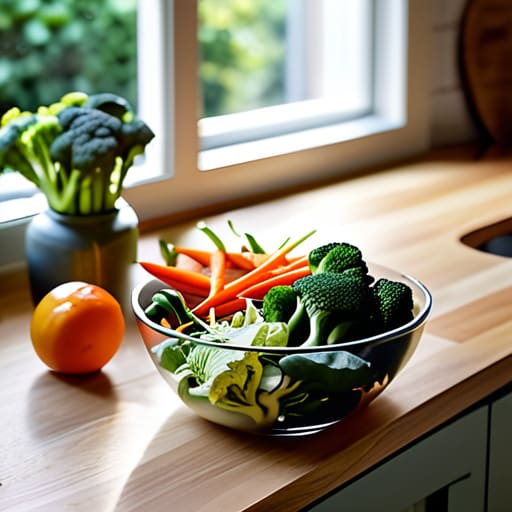
I used to think that zero waste living at home meant I had to spend my entire Sunday prepping glass jars and composting everything in sight. In reality, that kind of perfectionism is exactly what leads to burnout. Instead, I’ve found that the most sustainable way to manage a kitchen is to build small, repeatable habits around what I’m already doing. For me, that started with a simple “scrap audit” every Friday. Before I toss anything, I check if those veggie ends can go into a freezer bag for stock or if that wilted spinach can be blended into a smoothie.
Another way I’ve managed to cut down on clutter and waste is by auditing my cleaning cabinet. I swapped out most of my single-use plastic spray bottles for a few concentrated refills and simple, eco friendly cleaning products that actually work. It’s much easier to maintain a system when you aren’t constantly buying and storing new plastic bottles. By focusing on these tiny, functional shifts, I’m reducing my impact without turning my kitchen into a full-time job.
Eco Friendly Cleaning Products That Simplify Your Mental Load
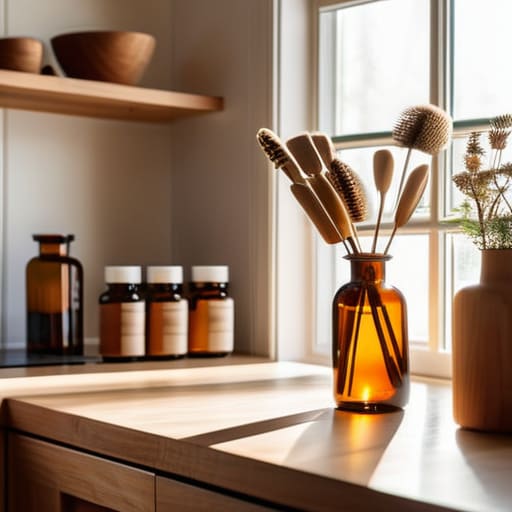
I used to have a cluttered cabinet full of specialized cleaners—one for the glass, one for the counters, one for the floor—and honestly, the sheer amount of plastic waste was enough to give me a headache. Now, I’ve shifted toward a more streamlined approach using eco friendly cleaning products that actually serve multiple purposes. I’ve found that switching to concentrated refills or simple DIY solutions like white vinegar and castile soap doesn’t just help reduce my household carbon footprint; it also clears out the visual noise in my cleaning cupboard.
When your cleaning routine is simplified, you stop feeling like you need a chemistry degree just to wipe down a stovetop. I lean toward brands that use glass spray bottles and compostable cloths, which fits perfectly into my goal of zero waste living at home. By investing in a few high-quality, multi-surface essentials, you create a system where cleaning feels less like a daunting chore and more like a quick, manageable reset for your space.
Low-Stakes Sustainability: Small Shifts for Your Energy and Your Environment
- Stop trying to “zero waste” your entire life overnight. Instead, I’ve found that the most sustainable habit is actually just a smarter way to shop. I started keeping a running list in my physical notebook of the products I actually use and love—like bar soaps or bamboo toilet paper—so I never impulse-buy a plastic-wrapped version just because it was on sale. It’s one less decision to make at the store and one less piece of plastic entering my apartment.
- Audit your lighting and “phantom” energy drains to clear some mental (and financial) clutter. It sounds tedious, but switching to smart LED bulbs and plugging your media center into a single power strip makes a huge difference. It’s a “set it and forget it” system: you flip one switch at night, and you aren’t wasting electricity on devices that don’t need to be on. It’s a tiny win for the planet and your monthly utility bill.
- Create a dedicated “reusable station” near your entryway or kitchen. We’ve all been there—you’re halfway to the grocery store when you realize you left all your cloth bags sitting on the counter. I designated a small, aesthetic basket by my door for my bags, my water bottle, and my coffee tumbler. By giving these items a permanent “home,” I’ve removed the friction of remembering them, making the eco-friendly choice the easiest one to make.
Small Wins for a Sustainable System
Don’t aim for a zero-waste overhaul overnight; instead, focus on swapping out one or two high-waste habits in your kitchen to build a system that actually sticks without adding to your mental load.
Prioritize multi-purpose, eco-friendly cleaning products to simplify your cupboard space and reduce the decision fatigue that comes with managing a sustainable home.
Small Steps, Sustainable Systems
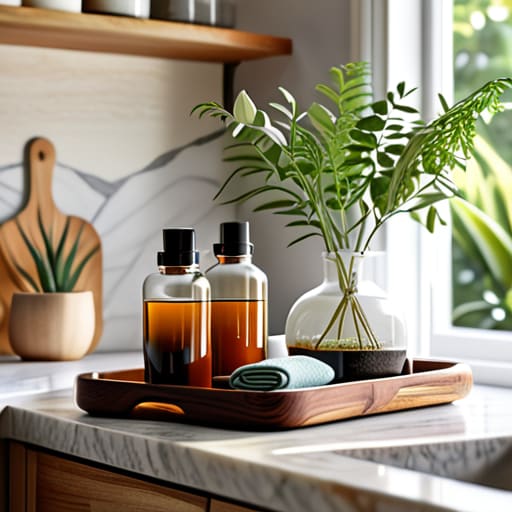
Transitioning to a greener home doesn’t mean you have to spend your entire weekend DIY-ing every single household item from scratch. We’ve looked at how shifting your kitchen routines can cut down on waste and how choosing the right cleaning products can actually lighten your mental load rather than add to it. By focusing on these small, repeatable systems—like managing your food scraps or simplifying your cleaning cupboard—you aren’t just helping the planet; you’re building a more streamlined, functional living space that works with you, not against you.
At the end of the day, please remember that perfection is the enemy of progress. If you forget your reusable bags or end up buying a plastic bottle of cleaner because you simply ran out of time, don’t beat yourself up. The goal isn’t to achieve a zero-waste miracle overnight; it’s about making intentional choices that feel sustainable for your actual, busy life. Start where you are, keep your systems simple, and just focus on making one better decision today than you did yesterday.
Frequently Asked Questions
I want to start being more sustainable, but how do I know if the "eco-friendly" products I'm buying are actually better for the planet or just clever marketing?
Honestly, I used to fall for the “greenwashed” packaging all the time—you know, those pretty sage-colored bottles that promise the world. To cut through the noise, I’ve started looking for third-party certifications like Leaping Bunny or B Corp rather than just trusting a leaf icon on a label. I also try to keep it simple: if a product has a massive list of ingredients I can’t pronounce, it’s probably more marketing than actual sustainability.
How can I implement these green habits without feeling like my daily routine is becoming more complicated and time-consuming?
The secret is to stop viewing “eco-friendly” as a new set of chores and start seeing it as a way to streamline what you’re already doing. Don’t try to overhaul your entire life overnight; that’s a recipe for burnout. Instead, look for the “one-in, one-out” rule. Swap one disposable item for a reusable one when the old one runs out. If a system feels heavy or complicated, it’s not a system—it’s a burden. Keep it simple.