I used to spend my Sunday evenings staring blankly into a fridge full of random ingredients, feeling that familiar wave of decision fatigue wash over me. We’ve all been there—standing in the kitchen after a long workday, knowing we need to eat, but feeling completely overwhelmed by the sheer possibility of failure if we try something too complex. The truth is, most of us don’t need a culinary degree; we just need a few reliable easy meals for beginners that don’t require a mountain of dishes or a three-hour time commitment.
In this post, I’m breaking down my personal “low-friction” approach to dinner. I’m going to share three specific meal systems that I use to keep my kitchen running smoothly without the mental clutter. You’ll learn how to move away from frantic, last-minute takeout orders and toward a sustainable rhythm of cooking that actually feels manageable. Let’s get your kitchen back under control.
Table of Contents
The Sheet Pan Savior
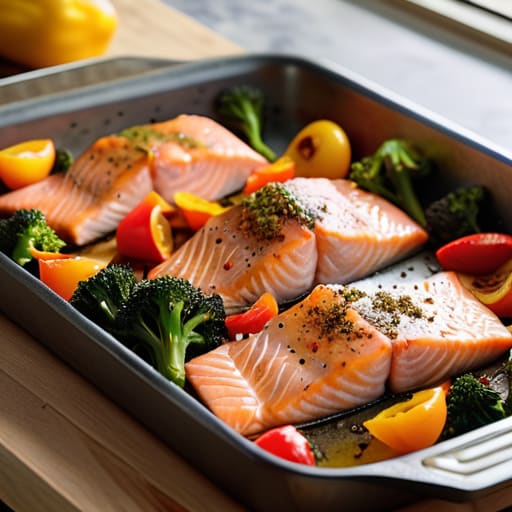
When I first started freelancing, my kitchen was often a disaster zone because I was trying to cook “real” meals while managing client deadlines. I quickly learned that the sheet pan method is the ultimate hack for anyone who hates a sink full of dishes. You just chop up a protein—like salmon or chicken thighs—and toss them on a tray with some hardy veggies like broccoli or bell peppers, drizzle with olive oil and salt, and let the oven do the heavy lifting.
The Grain Bowl Blueprint
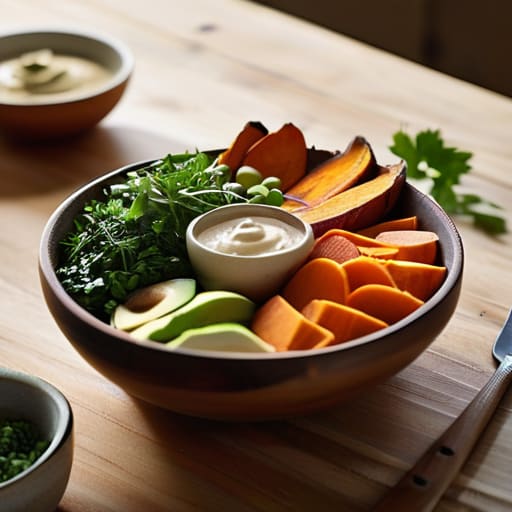
If you struggle with decision fatigue around dinnertime, I highly recommend moving away from strict recipes and toward a modular grain bowl system. Instead of following a complex set of instructions, you simply pick one base, one protein, one veggie, and one sauce. Think of it like a project management workflow: you have your foundational elements, and you just swap out the variables based on what’s currently in your pantry or fridge.
One-Pot Pantry Pasta
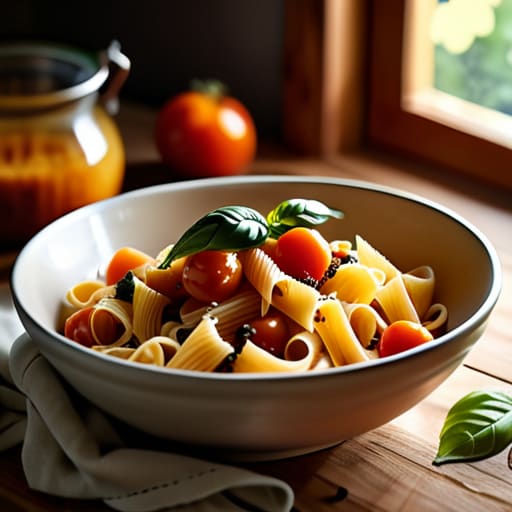
There is a specific kind of comfort that comes from a warm bowl of pasta, but the traditional way of boiling water, draining it, and making a separate sauce feels like a lot of unnecessary steps. My go-to “emergency” meal is a simple one-pot pasta where you cook the noodles directly in a mixture of broth or water and a bit of tomato sauce. This method allows the starch from the pasta to thicken the liquid, creating a naturally creamy texture without needing a ton of heavy cream or butter.
The Bottom Line
Don’t aim for culinary perfection; aim for consistency. A simple, repeatable meal is infinitely better for your mental health than a complex recipe that leaves you with a mountain of dishes and zero energy.
Focus on building systems, not just recipes. When you automate your grocery list or prep your staples in advance, you’re not just making food—you’re reclaiming your evening peace.
Finding Your Rhythm in the Kitchen
At the end of the day, getting started with cooking isn’t about mastering complex techniques or owning every gadget in the catalog. It’s really just about building a few reliable systems—whether that’s leaning on sheet-pan dinners, mastering a versatile grain bowl, or keeping a handful of pantry staples on hand for those frantic Tuesday nights. By focusing on these low-effort, high-reward meals, you aren’t just feeding yourself; you are actively reducing the mental load of deciding what to eat every single evening.
Please remember that your kitchen doesn’t have to look like a professional studio for your food to be nourishing. There will be nights when you burn the toast or the pasta is a little too soft, and that is perfectly okay. The goal isn’t culinary perfection; it’s about creating a sustainable way to fuel your life without the stress. Once you find your rhythm, you’ll realize that a little bit of preparation goes a long way in helping you reclaim your time and actually enjoy the process of living.
Frequently Asked Questions
I don't have much time for prep—are there ways to make these even faster without sacrificing nutrition?
Honestly, I used to struggle with this too. When my freelance workload spikes, I lean heavily on “component prepping” rather than full meals. Instead of cooking entire recipes, I just roast a big batch of veggies and boil some grains on Sunday. Having those ready-to-go building blocks in the fridge means you can throw a nutritious bowl together in under five minutes. It’s all about reducing the friction between being hungry and actually eating.
How do I avoid getting overwhelmed by all the new ingredients I'll need to buy for these recipes?
I completely get it—staring at a massive grocery list can feel like a project management nightmare. My rule of thumb is to shop for “bridge ingredients.” Before you buy anything new, check your pantry for staples like olive oil, dried pasta, or basic spices that can anchor a new recipe. I also try to pick one “hero” ingredient per week. Buy the new stuff for that one dish, but keep everything else familiar.