
I still remember the exact moment I realized my “cozy” apartment was actually a breeding ground for spores. I was pulling a tray of basil out of my little indoor herb garden when that unmistakable, heavy scent of damp earth and decay hit me—not the good kind, but the kind that tells you something is wrong behind the drywall. It’s a sinking feeling in your gut, realizing you’ve been breathing in a problem you didn’t even know existed. I spent way too many hours spiraling into expensive, high-tech air purifier rabbit holes before I realized that learning how to prevent mold isn’t about buying the latest gadget; it’s about mastering the basic physics of your own living space.
I’m not here to sell you a miracle spray or a $500 dehumidifier that you’ll forget to plug in. Instead, I want to share the practical, low-effort systems I’ve built to keep my home dry and my mind clear. We’re going to walk through the actual, repeatable habits—from managing bathroom humidity to checking those sneaky, hidden corners—that actually work for real life. My goal is to help you stop the chaos before it becomes a renovation project, so you can get back to actually enjoying your home.
Table of Contents
- Controlling Indoor Humidity Levels to Manage Environmental Chaos
- A Mold Prevention Checklist for Homeowners to Simplify Maintenance
- Three Small Habits to Stop Mold Before It Starts
- The Bottom Line: Keeping Your Space Functional and Spore-Free
- Finding Your Flow with Home Maintenance
- Frequently Asked Questions
Controlling Indoor Humidity Levels to Manage Environmental Chaos
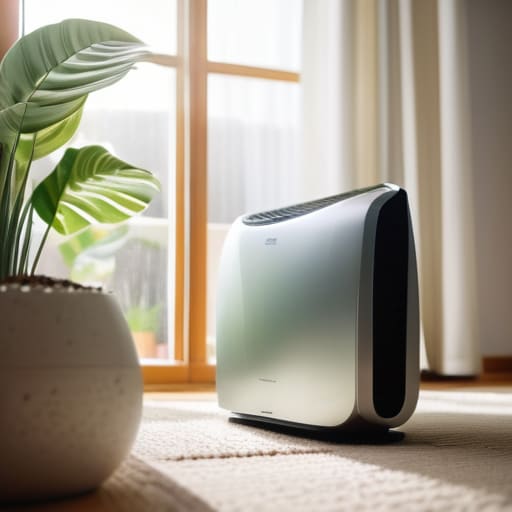
If there is one thing my years of managing complex projects has taught me, it’s that you can’t fix a problem until you manage the environment that causes it. In a home, that environment is often the air itself. I’ve found that controlling indoor humidity levels is the single most effective way to stop a mess before it starts. I aim to keep my space between 30% and 50% humidity; anything higher is basically an open invitation for spores to settle in. If you find yourself constantly fighting dampness, it might be time to invest in one of the best dehumidifiers for mold prevention to act as your silent, automated assistant.
I also think it’s worth being intentional about the “wet zones” in your home. For me, this means being hyper-vigilant about preventing mold growth in bathrooms by running the exhaust fan during and for twenty minutes after every shower. It’s a small, repeatable habit that saves so much mental energy later. If you’re dealing with a particularly stubborn area, like a damp laundry room or a lower level, focusing on reducing moisture in the basement through better ventilation can be a total game-changer for your peace of mind.
A Mold Prevention Checklist for Homeowners to Simplify Maintenance
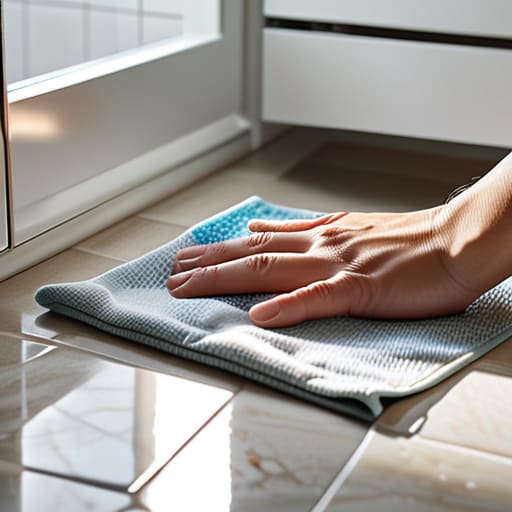
I’ve found that the best way to stop feeling overwhelmed by home maintenance is to stop treating it like a series of emergencies and start treating it like a routine. Instead of waiting for that dreaded musty smell to hit you, I recommend keeping a simple mold prevention checklist for homeowners taped to the inside of your pantry or utility closet. This isn’t about deep cleaning your entire house every weekend; it’s about those small, five-minute checks—like wiping down shower walls or checking under the kitchen sink—that keep the chaos at bay.
When you’re walking through your space, try to train your eyes to look for the subtle signs of hidden mold in homes, such as slight discoloration on baseboards or a strange dampness in the air. I especially focus on high-risk zones, like preventing mold growth in bathrooms by ensuring the exhaust fan actually does its job after every shower. If you can catch these tiny shifts early, you won’t have to spend your entire Saturday dealing with a massive cleanup project.
Three Small Habits to Stop Mold Before It Starts
- Keep your air moving. Stagnant air is a playground for spores, so don’t be afraid to crack a window for ten minutes or run a small fan in damp areas like the bathroom or laundry room. It’s a tiny adjustment that prevents moisture from settling into your walls and furniture.
- Audit your “wet zones” once a week. I like to make it part of my Sunday reset: just a quick wipe down of the shower tiles and a check under the kitchen sink for any slow leaks. Catching a tiny drip now saves you the massive mental load of dealing with a remediation project later.
- Manage your textiles and soft surfaces. If you leave damp towels on the floor or workout gear in a dark corner, you’re inviting trouble. Make it a system to hang things up immediately or toss them in the wash; keeping your fabrics dry is one of the easiest ways to keep your living space feeling fresh and controlled.
The Bottom Line: Keeping Your Space Functional and Spore-Free
Focus on consistency over perfection; a quick, five-minute weekly scan of your high-moisture areas is much more effective than a massive deep-clean once a year.
Treat humidity control as a core part of your home maintenance system, not an afterthought, to protect your belongings and your peace of mind.
Finding Your Flow with Home Maintenance

At the end of the day, preventing mold isn’t about achieving some impossible standard of sterile perfection; it’s about building sustainable habits that work for your specific space. By keeping a close eye on your humidity levels and sticking to a simple, repeatable checklist, you’re essentially installing a preventative maintenance system for your home. Whether it’s checking the seals around your bathroom tiles or ensuring your kitchen vents are actually doing their job, these small, intentional actions stop minor issues from spiraling into expensive, overwhelming projects that drain your time and energy.
I know that adding “home inspection” to your mental load can feel heavy when you’re already juggling a million other things. But remember, the goal of these systems isn’t to give you more chores; it’s to give you more peace of mind. When you manage the environment around you, you create a stable foundation that allows you to stop worrying about the “what-ifs” and start focusing on the things that actually bring you joy. Take it one step at a time, and trust the process.
Frequently Asked Questions
I've noticed a weird smell in my bathroom even though everything looks dry; does that mean mold is already hiding behind the tiles?
That “weird smell” is usually your first clue that something is off, even if the surfaces look pristine. It’s often a musty, earthy scent that lingers in the air. It doesn’t always mean mold is behind your tiles—it could be a slow drain leak or trapped moisture in your grout—but it’s definitely a signal to investigate. Grab a flashlight and check the baseboards and under the vanity; catching it early saves so much stress.
Is it actually worth investing in a dedicated dehumidifier, or can I just rely on opening the windows to keep things under control?
Honestly, it depends on your local climate, but if you’re dealing with heavy humidity, windows alone usually won’t cut it. Opening them is great for a quick refresh, but it can actually pull more moisture inside if it’s a muggy day. If you notice that persistent damp smell or condensation on your windows, investing in a dehumidifier is a total game-changer for your mental load. It’s one of those “set it and forget it” systems that actually works.