I used to think that learning how to season food required a massive, expensive spice rack and a culinary degree, but honestly, that’s just more mental clutter we don’t need. I spent far too many years in my early twenties staring at a bland, uninspired bowl of pasta, convinced that I just wasn’t “talented” enough to make it taste like anything. The truth is, most of the high-end cooking tutorials make it sound so much more complicated than it actually is, turning a simple dinner into a stressful chemistry experiment.
I’m not here to sell you on a twenty-step ritual or a collection of rare, imported salts. Instead, I want to give you a few repeatable systems that actually work for a busy, real-world kitchen. We’re going to break down the fundamental logic of salt, fat, and acid so you can stop following recipes blindly and start trusting your own palate. My goal is to help you build a functional foundation of flavor that makes every meal feel intentional, without the overwhelm.
Table of Contents
Essential Spice Pantry Staples to Reduce Kitchen Decision Fatigue
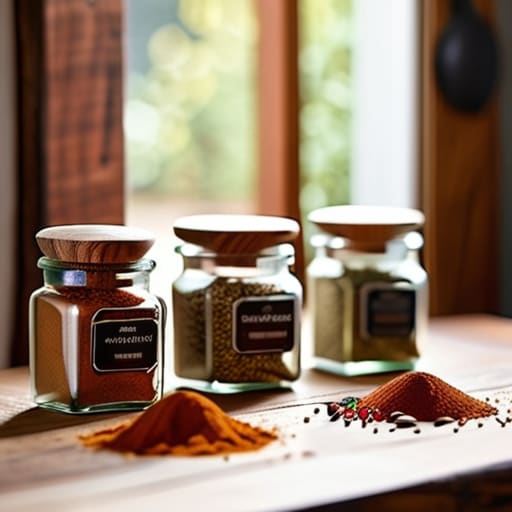
I used to spend way too much time staring at my spice cabinet, paralyzed by too many options, only to end up using the same three bottles every single night. To stop that decision fatigue, I started curating a tight collection of essential spice pantry staples that work across almost any cuisine. You don’t need a hundred jars; you just need the heavy hitters like smoked paprika, cumin, dried oregano, and high-quality garlic powder. These are my “workhorse” spices—the ones I can grab without thinking twice to build a foundation of flavor.
Once you have your base, the real magic happens when you start layering seasoning techniques to add depth. I like to think of it in stages: I’ll use dried herbs early in the cooking process to let them soften, then hit the dish with something like red pepper flakes or fresh citrus right at the end. It’s all about enhancing natural flavors rather than masking them. If a dish feels heavy or flat, I usually look toward balancing salt and acid to bring everything back into focus.
Layering Seasoning Techniques to Enhance Natural Flavors
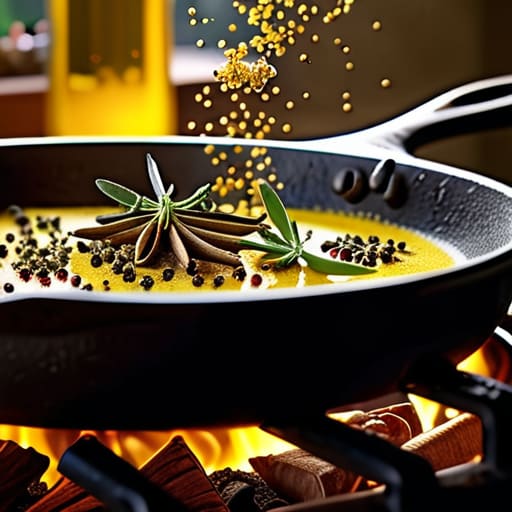
Once you have your staples ready, the real magic happens when you stop treating seasoning like a single step at the end of a recipe and start seeing it as a process. I’ve learned that layering seasoning techniques is the best way to build depth without feeling like you’re just throwing salt at a problem. Instead of dumping everything in at once, try adding aromatics like garlic or dried herbs early in the cooking process to infuse the oil, then saving your more delicate spices for the final few minutes. This approach to when to add spices during cooking ensures you don’t lose those bright, volatile notes to the heat.
The second part of the equation is learning the art of balancing salt and acid. If you’ve ever tasted a dish that feels “heavy” or just slightly flat despite being salty enough, it’s usually missing an acidic component. A squeeze of lemon, a splash of vinegar, or even a bit of pickle brine can brighten the entire profile and make the flavors pop. It’s a small, repeatable tweak that transforms a meal from “fine” to “intentional” with almost zero extra effort.
Three Simple Habits to Stop Guessing and Start Seasoning
- Season in layers, not just at the end. I used to wait until a dish was finished to sprinkle salt on top, but it never really penetrated the food. Now, I season as I go—a little salt when the onions hit the pan, a bit more when the protein goes in. It builds a foundation of flavor rather than just a salty surface.
- Keep a “tasting spoon” ritual. It sounds small, but it’s a game-changer for reducing kitchen anxiety. Before you serve anything, take a dedicated spoon, taste a small amount, and actually check for balance. Is it missing acid? Does it need more heat? If you don’t taste as you cook, you’re just flying blind.
- Use acid to wake up dull flavors. If you’ve followed your recipe and the dish still tastes “flat” or heavy, don’t reach for more salt—reach for a lemon wedge or a splash of apple cider vinegar. Acid acts like a volume knob for flavor; it cuts through the richness and makes everything feel bright and intentional.
The Bottom Line: Making Flavor Work for You
Stop viewing seasoning as a final step and start seeing it as a layer; building flavors gradually from the pan upward prevents that “bland” feeling and saves you from overcompensating at the end.
Invest in a solid foundation of staples to eliminate decision fatigue, so you spend less time staring at your spice rack and more time actually enjoying your meal.
Finding Your Flavor Rhythm
At the end of the day, seasoning isn’t about following a rigid recipe or mastering complex culinary chemistry; it’s about building a reliable toolkit that works for you. By keeping a curated pantry of staples and learning to layer your flavors—starting with salt and building upward—you remove the guesswork from every meal. You don’t need a hundred exotic spices to make something delicious. You just need a few consistent systems that allow you to cook with confidence, even on those Tuesday nights when your brain feels completely fried.
Remember, your kitchen should be a place that nourishes you, not a source of extra stress. Don’t be afraid to experiment, to make mistakes, or to realize a dish needs a little more acidity halfway through. The goal isn’t to produce a five-star meal every single time, but to create a sustainable way of eating that actually tastes good. Once you find your rhythm, you’ll realize that mastering your seasoning is really just another way of reclaiming your time and enjoying the process of living well.
Frequently Asked Questions
How do I know if I've added too much salt or spice without ruining the entire dish?
The “tasting loop” is your best friend here. Don’t wait until the dish is finished to try it; take small, intentional sips or bites throughout the process. If you hit a salt spike, try adding an acid (like lemon juice) or a bit of fat (like butter or avocado) to balance it out. If it’s too spicy, a dollop of Greek yogurt or a splash of cream can act as a physical reset for your palate.
Is there a way to season food effectively when I'm cooking on a tight schedule or feeling too tired to follow a complex recipe?
Honestly, this is where my “minimalist kitchen” philosophy really saves me. When I’m exhausted or running on a tight deadline, I stop trying to be a chef and start acting like a project manager. I rely on “flavor shortcuts”: a high-quality finishing salt, a pre-mixed spice blend (like everything bagel or lemon pepper), or even a squeeze of lime. Don’t aim for complexity; just aim for impact. A quick hit of acid or salt is enough to make a mediocre meal feel intentional.