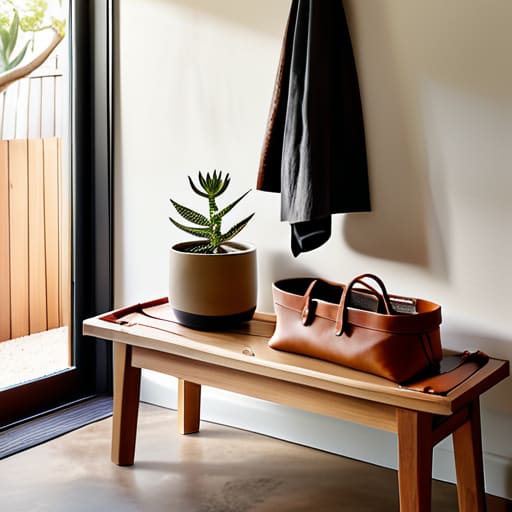
Have you ever stood in your own front door, keys in hand, staring at a mountain of mail, stray shoes, and a tangled web of charging cables, feeling like you’ve already lost the day before it’s even begun? I know that feeling intimately. We’ve all seen those Pinterest-perfect mudrooms with custom built-ins and expensive designer baskets, but let’s be real: most of us are just trying to figure out how to organize your entryway without spending a month’s rent on a renovation. The struggle isn’t that you lack aesthetic taste; it’s that you lack a functional system that actually survives a Tuesday morning rush.
I’m not here to sell you on a lifestyle makeover or a cabinet worth more than my laptop. Instead, I want to share the small, repeatable habits I’ve used to turn my own chaotic landing zone into a calm “drop zone” that actually works. I’ll walk you through how to build a low-stress setup using what you likely already have, focusing on minimalist, high-impact solutions that reduce your mental load. Let’s stop fighting the clutter and finally build a space that helps you breathe a little easier the moment you walk through the door.
Table of Contents
Mastering Small Entryway Organization Tips to Reduce Daily Friction
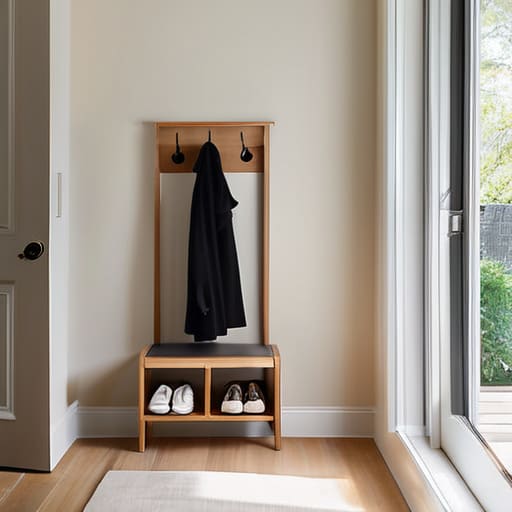
If you’re working with a tight footprint, the goal isn’t to find more space, but to make better use of the vertical real estate you already have. I’ve found that strategic coat rack and hook placement is a total game-changer for narrow halls. Instead of a bulky standalone piece, mounting a slim row of hooks allows you to clear the floor while keeping your most-used bags and jackets within arm’s reach. When it comes to footwear, look for slim, stackable shoe storage solutions for foyers that tuck neatly under a console table; it keeps the visual clutter down and prevents that “pile of shoes” look that immediately makes a home feel chaotic.
For those of us juggling freelance deadlines and grocery runs, I also swear by integrating a few simple command center ideas for home right at the door. Even a small magnetic board or a tiny floating shelf can act as a landing strip for your keys, mail, and that physical notebook I can’t live without. By creating a designated spot for these high-frequency items, you’re essentially automating your morning routine and removing those tiny, nagging mental hurdles that add up by noon.
Balancing Entryway Decor and Function Without the Clutter
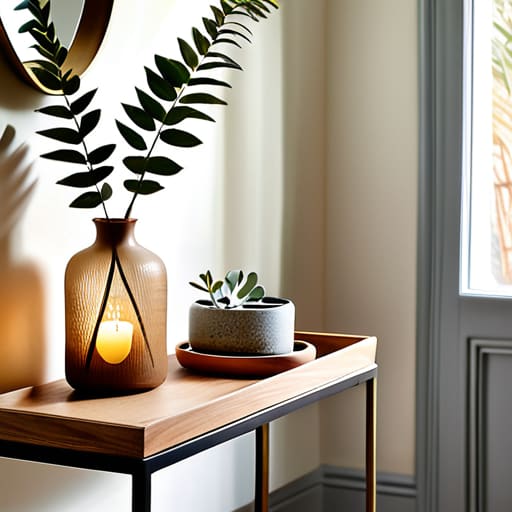
The biggest mistake I see is treating the entryway like a showroom rather than a transition zone. We all want that Pinterest-perfect aesthetic, but if your beautiful ceramic vase is getting buried under a pile of mail and damp umbrellas, it’s not actually working for you. To find that sweet spot between entryway decor and function, I always suggest choosing pieces that pull double duty. For example, a slim console table can hold a meaningful candle or a small plant to make the space feel welcoming, but it should also have a dedicated tray for keys and sunglasses to prevent them from migrating across your surfaces.
If you’re working with a tighter footprint, focus on verticality to keep the floor clear. Instead of a bulky cabinet, I love using a combination of strategic coat rack and hook placement paired with a small mirror to bounce light around the room. This keeps the visual weight low while ensuring your daily essentials have a “home.” By selecting decor that feels intentional—like a woven basket for stray scarves—you create a space that feels curated and calm rather than cluttered and chaotic.
Three Simple Systems to Stop the Entryway Pile-Up
- Create a dedicated “Launchpad” for your essentials. I’ve learned the hard way that if my keys, wallet, and sunglasses don’t have a specific, designated home—like a small ceramic bowl or a dedicated tray on a console table—they end up lost in the couch cushions or scattered across the kitchen counter. Pick one spot, and make it a rule that these items never leave it.
- Implement a “One-In, One-Out” rule for footwear. Entryways tend to become graveyard for shoes we only wear once a year. I keep a small basket for seasonal boots and a slim rack for my daily drivers, but if I buy a new pair of sneakers, an old, beat-up pair has to be donated or tossed. It keeps the floor clear and the visual noise down.
- Use vertical space for the “hidden” clutter. If you’re working with a tight footprint like I am, don’t let everything sit on the floor. A few sturdy wall hooks for bags and a slim floating shelf for mail can keep the walking path clear. It’s much easier to manage the chaos when you aren’t literally tripping over it every time you walk through the door.
Making It Stick: My Two Golden Rules for a Functional Entryway
Focus on the “drop zone” first—don’t worry about aesthetic baskets or fancy decor until you’ve established a dedicated, easy-to-reach spot for the things you lose most often, like keys, mail, and sunglasses.
Build for your actual habits, not your “ideal” self; if you know you always kick your shoes off the second you walk in, don’t force yourself to use a high-shelf organizer that you’ll eventually ignore.
Finding Your Flow
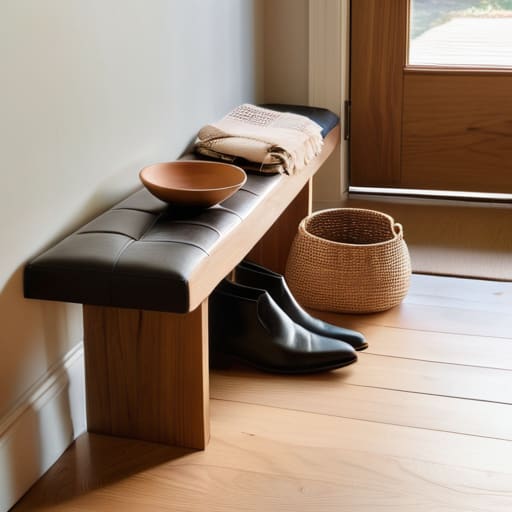
At the end of the day, organizing your entryway isn’t about achieving some Pinterest-perfect aesthetic; it’s about building a system that actually works for your specific lifestyle. Whether you’ve implemented a dedicated drop zone for your keys, streamlined your shoe storage, or found that perfect balance between decor and utility, you are essentially removing the friction from your daily transitions. By tackling these small, intentional changes, you ensure that coming home feels like a relief rather than another task on your to-do list. Remember, the goal is to reduce the mental load the moment you step through the door.
I know how overwhelming it can feel to stare at a pile of mail or a mountain of shoes, but please be kind to yourself as you build these habits. Systems take time to refine, and it’s okay if your entryway isn’t perfectly curated by tomorrow morning. Focus on one small win at a time, and soon enough, these organized spaces will become second nature. You’re creating more than just a tidy hallway; you’re creating the mental space you need to actually enjoy living once you’ve finally kicked off your shoes.
Frequently Asked Questions
I have a tiny entryway with almost no floor space; are there ways to create a system using only the walls?
When floor space is non-existent, your walls become your best friend. I’ve learned that “vertical living” is a total game-changer for small apartments. Think about installing a sleek wall-mounted key rack or a slim floating shelf to hold your mail. You can even use command hooks for bags or a wall-mounted umbrella stand. It keeps the floor clear so you aren’t tripping over things, turning that tiny transition zone into a functional, airy little hub.
How often should I actually "reset" my entryway to keep the clutter from creeping back in?
I’m a big believer in the “daily micro-reset.” Honestly, if you wait until the weekend, the chaos has already won. Spend just two minutes every evening—maybe while your tea is steeping—tucking shoes into their spots and clearing the mail pile. It keeps the friction low. Then, once a week, do a slightly deeper sweep to clear out anything that drifted off course. Small, consistent rhythms are much easier to maintain than massive cleanups.