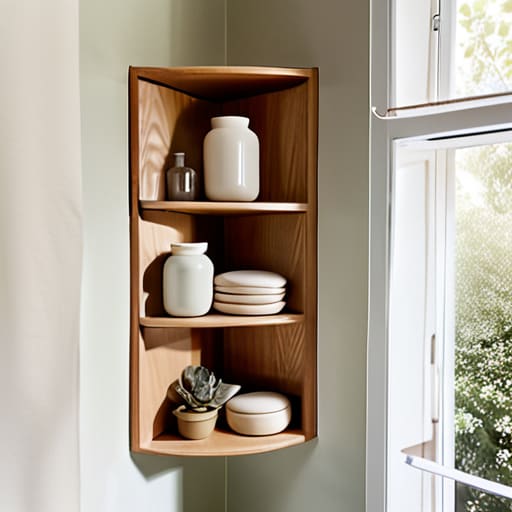
I used to spend my Sunday evenings staring at the mountain of “stuff” encroaching on my tiny studio apartment, feeling like I was losing a war against my own belongings. I’d scroll through Pinterest, seeing these pristine, hyper-curated minimalist sanctuaries that looked more like museum exhibits than actual homes, and I’d feel even more defeated. The truth is, most of the advice out there about small space organization is designed for people with unlimited budgets and a penchant for buying expensive, matching acrylic bins that you don’t actually need. It’s exhausting to feel like you have to live in a showroom just to keep your head above water.
I’m not here to sell you on a lifestyle of extreme asceticism or a dozen new storage gadgets. Instead, I want to share the functional systems I’ve built over years of moving between cramped rentals and managing a busy freelance life. We’re going to focus on practical, repeatable habits that actually work for the way you live, not the way an influencer lives. My goal is to help you reclaim your square footage so your home feels like a sanctuary, not a storage unit.
Table of Contents
Vertical Storage Solutions to Reclaim Your Mental Space
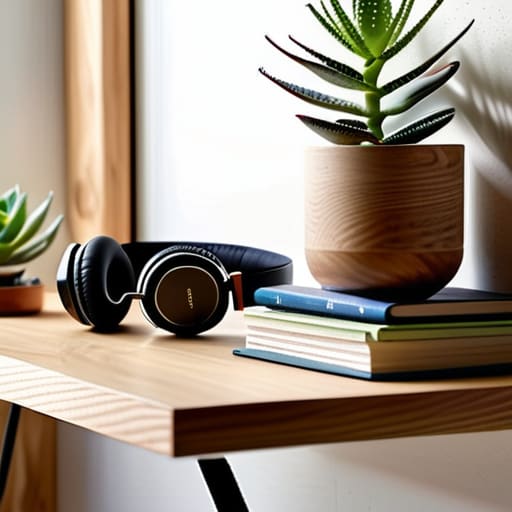
When you’re living in a smaller footprint, the floor is your most precious commodity—so stop treating it like a landing pad for everything you own. I used to think I needed a bigger room, but what I actually needed was to look up. Utilizing vertical storage solutions is the fastest way to stop that feeling of being “boxed in” by your belongings. Think about the space between your desk and the ceiling, or the empty wall above your entryway. Installing floating shelves or even a simple pegboard doesn’t just clear the clutter; it moves the visual weight off the ground, which instantly makes the room feel airier.
I’ve found that the most effective way to approach this is to categorize by frequency of use. Things you grab every single day—your keys, your favorite mug, your daily planner—should live at eye level. Anything less frequent can migrate higher up. If you’re looking for more ways to maximize every inch, investing in a few closet organization systems can transform a cramped wardrobe into a streamlined command center. It’s about creating a flow where everything has a specific “home” that doesn’t require you to shuffle through a pile of stuff just to find your shoes.
Smart Multipurpose Furniture Ideas for Functional Living
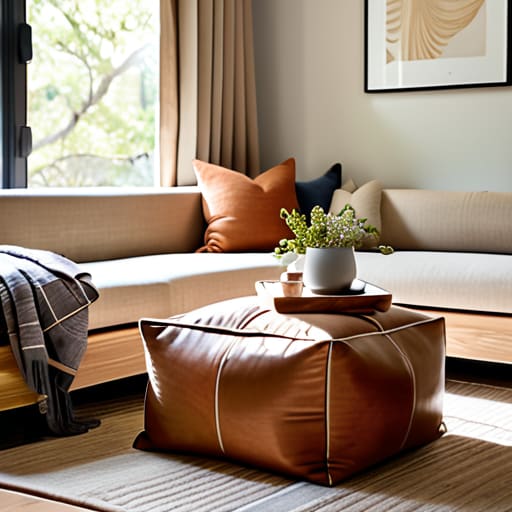
When you’re working with limited square footage, every piece of furniture needs to earn its keep. I’ve learned the hard way that a standard coffee table is often just a giant, static obstacle in the middle of a room. Instead, I look for pieces that pull double duty. A storage ottoman, for instance, is a total game-changer; it serves as a footrest, extra seating for guests, and a hidden bin for those extra throw blankets. These kinds of multipurpose furniture ideas are what turn a cramped studio into a space that actually feels intentional rather than accidental.
I’m also a huge advocate for looking at the “dead zones” in your floor plan. If you aren’t already utilizing under bed storage hacks, you are essentially leaving valuable real estate on the table. I keep my seasonal wardrobe and extra linens in low-profile rolling bins tucked away beneath my frame. It’s a simple way to keep the visual clutter at bay without needing to install massive, heavy wardrobes. By choosing items that serve two or three functions, you aren’t just saving space—you’re reducing the visual noise that contributes to that overwhelmed feeling at the end of a long day.
The "Zone" Method: Creating Boundaries in a Shared Space
- Stop treating every surface like a catch-all. In a small apartment, “clutter creep” happens when your mail, keys, and coffee mugs migrate across the whole room. I started assigning specific “zones”—a dedicated basket for incoming mail by the door and a specific tray for my tech chargers. If it doesn’t belong in that zone, it doesn’t stay. It sounds simple, but it stops the visual noise from taking over your entire living area.
- Audit your “one-in, one-out” rule religiously. When you’re living in a tight footprint, every new item you bring home needs to earn its spot. If I buy a new linen throw for my sofa, an old, scratchy blanket has to go—either to donation or the bin. It’s not about being a minimalist extremist; it’s just about maintaining a steady equilibrium so your belongings don’t start managing you.
- Use the “Hidden Storage” hack for seasonal items. We all have those things—heavy winter sweaters, bulky kitchen appliances, or extra linens—that we only need once every few months. Don’t let them take up prime real estate in your daily workspace or closet. I use slim, stackable bins tucked away under my bed or at the very top of my wardrobe. If you aren’t touching it every week, it shouldn’t be at eye level.
Small Wins for a Functional Space
Stop trying to fit a big-house lifestyle into a small-apartment footprint; instead, focus on building systems that prioritize your most-used items so they are always within reach.
Remember that organization isn’t about having a Pinterest-perfect home, it’s about creating enough physical breathing room to lower your daily mental load.
Small Wins, Big Impact
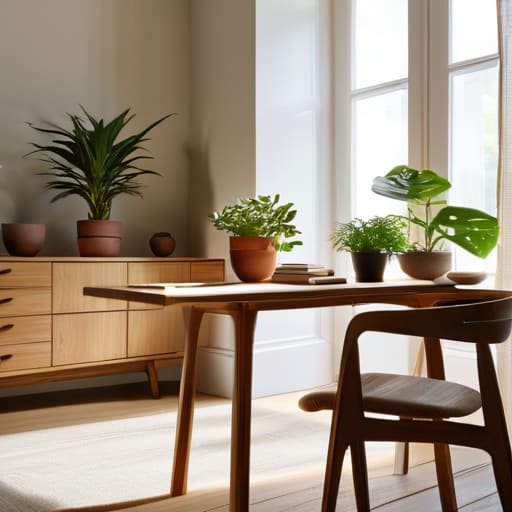
At the end of the day, organizing a small space isn’t about achieving some sterile, magazine-ready aesthetic. It’s about the practical application of what we’ve discussed: utilizing your vertical real estate, investing in furniture that actually works double duty, and creating zones that respect your daily flow. When you stop trying to cram everything into one corner and start building these intentional systems, you aren’t just tidying up a room; you are reclaiming your mental bandwidth. It’s about making sure your environment supports your lifestyle rather than constantly fighting against it.
If you feel overwhelmed, please remember that you don’t have to overhaul your entire apartment in a single weekend. Start with one shelf, one drawer, or one corner of your desk. Progress is rarely linear, and some days your systems might slip—and that is perfectly okay. The goal isn’t to live in a museum; it’s to build a home that feels like a sanctuary. Take it one small, repeatable step at a time, and soon enough, you’ll find that the extra breathing room in your home leads to much-needed breathing room in your mind.
Frequently Asked Questions
I've tried vertical storage, but everything just looks cluttered—how do I keep my shelves from looking messy?
I totally get that. You can have all the shelving in the world, but if it’s just a sea of mismatched items, it still feels heavy. My rule of thumb? Group like with like using uniform containers. I swap out those random, colorful boxes for simple glass jars or woven baskets. It hides the visual noise and creates “zones.” When everything has a consistent texture and color, the clutter disappears and your brain can finally relax.
Are there any specific ways to organize a small workspace that won't make my whole apartment feel like an office?
The trick is to keep your work tools “invisible” when the laptop shuts. I swear by using a dedicated rolling cart or a stylish storage ottoman to tuck away my chargers, notebooks, and files at the end of the day. If you use a desk, try to pick one that looks more like a console table. It’s all about creating a clear boundary so your home can actually feel like a home again.