
I was sitting on my kitchen floor last Tuesday, mid-yoga stretch, when I saw it: a single, tiny ant trekking across my herb garden tiles. My immediate instinct wasn’t to panic, but to feel that familiar, heavy surge of mental clutter. Most people will tell you that preventing uninvited guests requires a massive, expensive overhaul of your home or a cabinet full of harsh, industrial chemicals, but that’s just not true. Learning how to prevent pests at home isn’t about a one-time deep clean; it’s about building small, sustainable barriers that work with your actual life, not against it.
I’m not here to sell you on miracle sprays or complicated, high-maintenance regimens that fall apart the moment you have a busy work week. Instead, I want to share the low-effort, high-impact systems I’ve developed to keep my apartment feeling like a sanctuary. We’re going to focus on practical, repeatable habits—from pantry organization to sealing up the sneaky entry points—so you can stop worrying about what’s crawling in the shadows and get back to actually enjoying your space.
Table of Contents
Insect Proofing Your Kitchen With Proper Food Storage Techniques

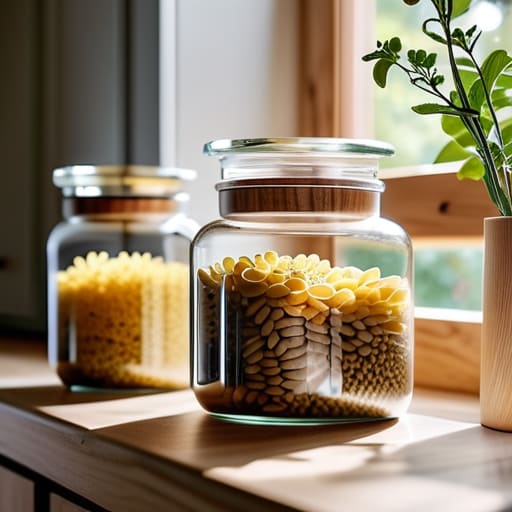
The kitchen is the heart of the home, but for a stray ant or a curious beetle, it’s basically an all-you-can-eat buffet. I’ve learned the hard way that leaving a half-open bag of flour or a stray crumb on the counter is an open invitation for trouble. Instead of reacting once you see a bug, I focus on proper food storage techniques to stop the problem before it starts. I’ve swapped out most of my flimsy cardboard boxes for airtight glass jars; they look much cleaner on my shelves, and more importantly, they create a physical barrier that pests simply can’t breach.
It’s also about managing the “invisible” mess. Even if your counters look clear, a tiny spill of honey or a few grains of rice behind the toaster can attract an entire colony. I make it a habit to do a quick sweep of my pantry every Sunday, checking for any breached packaging. This small ritual is a cornerstone of insect proofing your kitchen and helps me maintain that sense of order I crave. If you can control the food source, you’ve already won half the battle.
Sealing Cracks and Crevices to Stop Unwanted Guests

If you’ve ever been sitting on your sofa, enjoying a quiet evening, only to spot a stray bug skittering across the floor, it’s incredibly unsettling. Most people think of pest control as a reactive battle, but I’ve learned it’s much more effective to be proactive. One of the most overlooked steps in sealing cracks and crevices is simply inspecting your home’s perimeter. I like to grab my notebook and do a slow walk-through of my baseboards and around window frames. Even a tiny gap—one you might not even notice—is basically a VIP entrance for an unwanted guest.
Don’t feel like you need a professional contractor for every little thing; a simple tube of silicone caulk from the hardware store is often all you need to close those entry points. Focus specifically on where pipes enter the walls under your sinks and around the edges of your door frames. By taking an hour this weekend to patch these small openings, you’re doing more than just fixing a wall; you’re strengthening your home’s defenses and creating a much more stable, peaceful environment.
Managing the Moisture: Eliminating the Hidden Damp Spots
- Check under your sinks for slow leaks or condensation; even a tiny drip provides the perfect little oasis for pests to set up camp.
- Keep your bathroom ventilated after showers to prevent that lingering humidity, which is basically an open invitation for silverfish and mold-loving bugs.
- Clear out any standing water in plant saucers or pet bowls at the end of the day, because even a small puddle can disrupt your home’s dry, controlled environment.
Making Pest Prevention Part of Your Routine
Think of pest control as a maintenance task rather than a crisis response; by integrating small habits—like a quick pantry sweep or checking window seals—into your weekly reset, you stop the chaos before it even starts.
Focus on building sustainable systems, such as airtight storage and physical barriers, so you can reclaim your home as a peaceful sanctuary instead of a constant battleground.
Reclaiming Your Peace of Mind
At the end of the day, preventing a pest problem isn’t about achieving some impossible standard of sterile perfection. It’s really just about the small, consistent habits we discussed: keeping your pantry airtight, being proactive about sealing those tiny gaps in the baseboards, and managing your waste effectively. When you treat these tasks as part of your regular home maintenance—rather than an emergency response to a crisis—you take the power back. By implementing these simple, repeatable systems, you stop reacting to chaos and start preventing it from ever taking root in your sanctuary.
I know that looking at a list of home maintenance tasks can feel like just another thing on an already overflowing to-do list. But remember, the goal isn’t to spend your entire weekend scrubbing; it’s to create a space where you can actually breathe easy. Once these systems are running in the background, they require very little mental energy to maintain. You deserve a home that feels like a retreat, not a battlefield. Focus on one small change this week, and let the peace of a well-ordered home be your reward.
Frequently Asked Questions
I’ve already cleaned everything, so why am I still seeing a few stray ants near my windows?
I know that feeling—you’ve scrubbed every surface, yet there they are, marching right across your windowsill. It’s incredibly frustrating. Usually, when you see ants near windows, it’s because they’ve found a microscopic entry point or are following a scent trail from a previous “scout.” Even if the area looks clean, they can detect tiny droplets of moisture or even a stray crumb from days ago. It’s a sign we need to tighten up our perimeter seals.
Are there any natural, non-toxic ways to keep bugs away that won't mess with my indoor herb garden?
Since I’m always tending to my indoor herb garden, I’m incredibly picky about what I spray around. You don’t need harsh chemicals to keep things tidy. I’ve found that peppermint oil diluted in water works wonders on windowsills, and keeping a bowl of dried bay leaves in your pantry is a total game-changer for deterring beetles. These small, non-toxic habits keep the pests out without risking the health of your plants or your peace of mind.