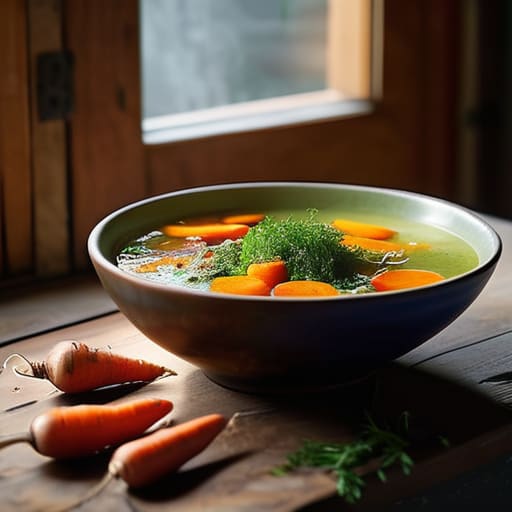
I used to think that learning how to make soup meant spending three hours hovering over a stove, hunting for obscure, expensive aromatics that I’d only use once before they wilted in the crisper drawer. Honestly, the idea that you need a culinary degree or a pantry full of specialty spices just to get a decent meal on the table is such a waste of mental energy. Most recipes make it sound like a high-stakes project, but when you’re balancing freelance deadlines and trying to keep your indoor herbs alive, you don’t need more complexity—you need a way to make things work.
My goal here isn’t to teach you how to be a Michelin-star chef; it’s to show you how to build a reliable soup system. I’m going to walk you through a repeatable, low-stress process that uses what you already have in your kitchen so you can stop overthinking and start eating. We’re focusing on functional flavors and smart prep, giving you a way to manage your dinner routine without adding any unnecessary chaos to your evening.
Table of Contents
Choosing Your Foundation Stock vs Broth for Soup
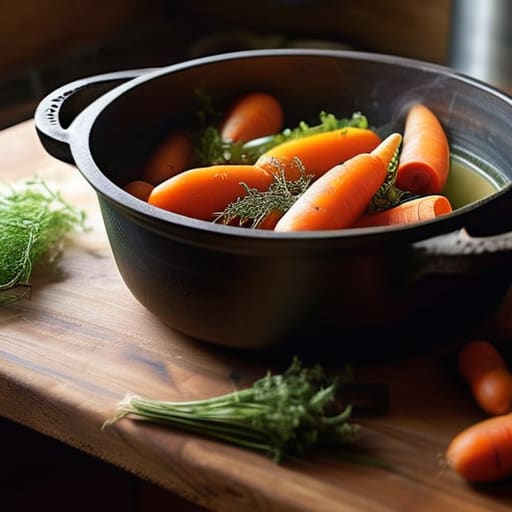
When you’re standing in the kitchen, staring at a pile of vegetables, the first real decision is deciding whether you’re reaching for stock or broth. I used to think they were interchangeable, but once I started treating my kitchen like a project to be managed, I realized the difference is all about depth and intention. Stock is typically made by simmering bones, which gives you a richer, more gelatinous body—perfect if you want to focus on thickening soup naturally without adding a ton of heavy cream.
Broth, on the other hand, is usually lighter and more herb-forward since it’s primarily made from vegetables or meat steeped in water. If I’m planning a lighter vegetable soup preparation for a busy weekday, I usually opt for broth because it’s quicker and less “heavy” on the palate. Choosing between stock vs broth for soup really comes down to what kind of experience you want: a hearty, soul-warming meal or something bright and refreshing. Once you pick your foundation, the rest of the process just flows.
Essential Soup Seasonings to Build Flavorful Layers
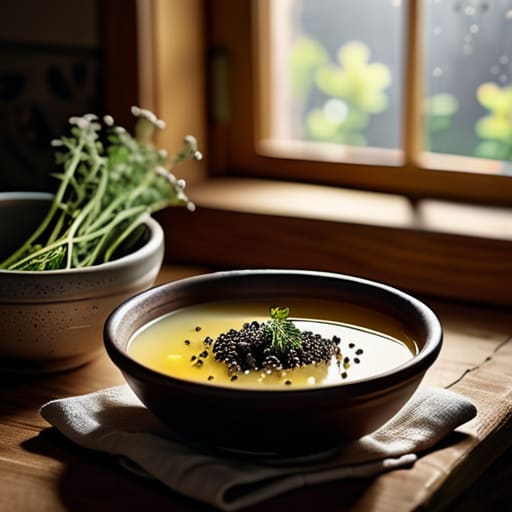
Once you’ve decided on your liquid foundation, it’s time to talk about the actual soul of the pot: the seasonings. I used to think you needed a massive spice rack to make something taste good, but I’ve learned that a few essential soup seasonings can do all the heavy lifting. Start with the basics—salt and pepper are non-negotiable—but don’t overlook the power of dried herbs like thyme or oregano. If you’re working on a quick vegetable soup preparation, these pantry staples add a depth that makes it taste like you’ve been simmering it for hours when you actually only spent twenty minutes.
My personal little secret for adding complexity without the clutter is using “aromatic layers.” Before you even add your liquid, sautéing things like garlic, onion, or even a pinch of red pepper flakes creates a much richer profile. It’s all about building those flavorful layers incrementally. If the soup feels a bit flat toward the end, don’t just reach for more salt; try a tiny splash of acid, like lemon juice or apple cider vinegar. It brightens everything up and makes the whole dish feel intentional rather than just functional.
The Workflow: Three Ways to Keep Your Kitchen (and Sanity) Intact
- Set up a “Mise en Place” station before you even turn on the stove. I know, it sounds fancy, but it really just means chopping all your veggies and measuring your spices into small bowls beforehand. There is nothing more stressful than trying to sauté onions while you’re frantically peeling a carrot; having everything ready to go prevents that frantic, cluttered feeling.
- Build in a “flavor pause” halfway through the simmer. Soup is a living thing that changes as it cooks. About twenty minutes before you think it’s done, taste it. This is your moment to decide if it needs a splash of acidity like lemon juice or vinegar to brighten things up, or if it just needs a pinch more salt to bridge the gap between “okay” and “incredible.”
- Use the “One-Pot Clean Up” mindset. To keep the mental load low, try to use your largest heavy-bottomed pot for everything—sautéing the aromatics, simmering the liquid, and even adding the greens at the end. Minimizing the number of bowls and spoons you have to wash makes the transition from cooking to actual relaxing so much smoother.
The Soup System: My Quick Summary
Don’t get hung up on perfection; focus on building a solid flavor foundation with a good stock and layered seasonings so you can scale any recipe.
Treat soup making as a repeatable process rather than a chore—prep your ingredients in one go to keep your kitchen (and your headspace) calm.
The Beauty of a Repeatable Recipe
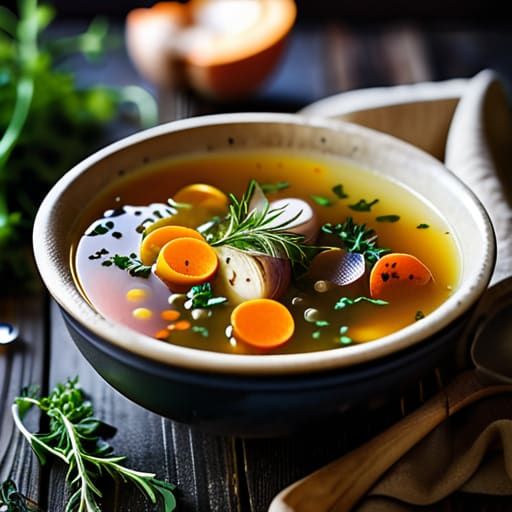
At the end of the day, making a great soup isn’t about following a rigid, intimidating recipe; it’s about understanding the mechanics of flavor. Once you’ve mastered the balance between a sturdy foundation—whether you choose a rich stock or a lighter broth—and those essential layers of seasoning, you’ve essentially built a functional system in your kitchen. You don’t need to reinvent the wheel every time the weather turns cold. Instead, you just need to lean on these reliable building blocks to create something nourishing whenever you need it.
I know that some days, the idea of standing over a stove feels like just one more task on an endless to-do list. But I promise you, once you have your process down, soup becomes a way to reclaim your time rather than drain it. It is the ultimate low-maintenance comfort. So, grab your notebook, trust your instincts, and remember that perfection isn’t the goal—sustenance and peace of mind are. Now, go pour yourself a bowl and enjoy the quiet.
Frequently Asked Questions
How do I stop my vegetables from turning into mush while I'm trying to get everything cooked?
The trick is all about timing and texture hierarchy. I’ve learned the hard way that you can’t just toss everything in at once. I treat my vegetables like a project timeline: start with the “hard” stuff—carrots, celery, or potatoes—first. Once they’ve softened slightly, then you layer in your quicker-cooking greens or delicate squash. It’s all about managing the cook times so you end up with a cohesive meal, not a bowl of mush.
Can I actually use leftovers or frozen ingredients, or do I need everything to be fresh to make it taste good?
Honestly, please don’t feel like you need a trip to the farmer’s market just to make a decent pot of soup. In fact, part of my “system” for low-stress cooking is leaning heavily on what I already have. Frozen veggies are a lifesaver for texture, and leftover roasted chicken or even that half-bag of wilted spinach in the crisper drawer are perfect additions. It’s not about perfection; it’s about using what’s on hand to create something nourishing.