I used to think that learning how to cook vegetables meant I needed a pantry full of exotic spices and a degree in culinary arts just to make broccoli taste like something other than sadness. I’d stare at a pile of greens in my fridge, paralyzed by the fear of turning them into a mushy, flavorless mess, or worse, wasting money on a recipe that required three different types of specialized oils. Honestly, the idea that you need to follow a complex, step-by-step ritual every single time you want a healthy meal is just unnecessary mental clutter.
I’m not here to teach you gourmet plating or how to master French techniques; I want to give you a repeatable system that actually works for a busy life. My goal is to show you how to master a few reliable, low-effort methods so you can stop overthinking dinner and start enjoying it. We’re going to strip away the intimidation and focus on functional cooking that keeps you fed without draining your energy.
Table of Contents
Mastering the Best Vegetable Cooking Methods Without the Mess
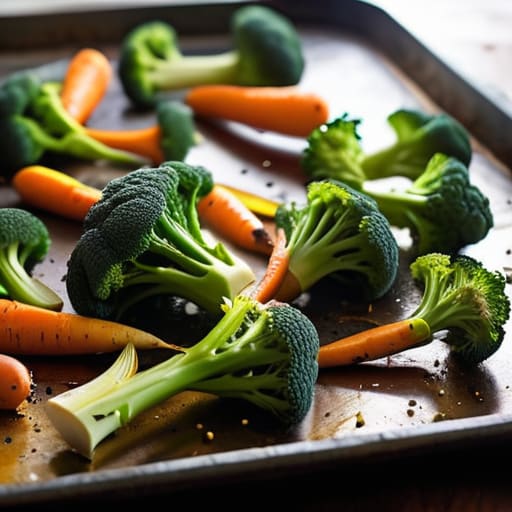
When it comes to my weekly meal prep, I’ve learned that the secret isn’t having a culinary degree; it’s about choosing the right tool for the job so you aren’t stuck scrubbing pans for an hour. If you’re looking for the best vegetable cooking methods for a busy week, I usually split my approach between the oven and the stovetop. Roasting is my absolute go-to for flavor; tossing broccoli or carrots in olive oil and salt and letting them get those crispy, caramelized edges makes them feel like a treat rather than a chore.
On the flip side, if I’m running low on time or want to keep things light, I lean toward steaming. While there is a constant debate about steaming vs roasting vegetables, I find steaming is the winner for preserving that bright color and the nutritional value of cooked vegetables. It’s a quick, one-pot process that keeps the mess to an absolute minimum. Just remember: don’t be afraid of seasoning. A little lemon zest or a sprinkle of red pepper flakes can turn a plain steamed side into something you actually look forward to eating.
Seasoning Vegetables for Flavor While Preserving Nutritional Value
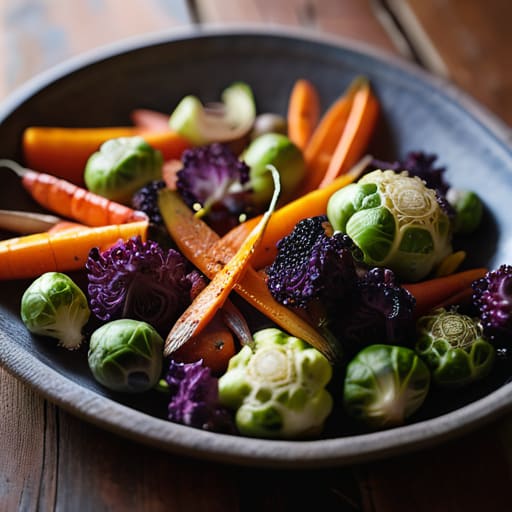
When it comes to seasoning, I’ve learned that less is almost always more. It’s easy to fall into the trap of drowning everything in salt or heavy sauces, but if you want to actually taste the produce, you have to let the ingredients lead. I like to keep a few high-quality staples on hand—think flaky sea salt, freshly cracked black pepper, and maybe a good quality extra virgin olive oil. When you focus on seasoning vegetables for flavor using these basics, you aren’t just masking the taste; you’re actually enhancing the natural sweetness that comes out during the cooking process.
If you’re worried about the nutritional value of cooked vegetables, the trick is to use fats that help your body absorb fat-soluble vitamins. Instead of reaching for processed dressings, try a light drizzle of avocado oil or a squeeze of fresh lemon juice right before serving. This adds a bright, acidic pop that makes even the simplest broccoli feel intentional. It’s one of those small, repeatable habits that turns a boring side dish into something that feels genuinely nourishing without adding any unnecessary mental load to your meal prep.
Three Tiny Systems to Keep Your Kitchen Flowing
- Prep your “base” vegetables in bulk. I’ve found that if I chop a container of onions, carrots, and celery on Sunday, I’m 80% more likely to actually cook a real meal on a Tuesday night when I’m exhausted. It removes that initial friction of “where do I even start?”
- Stop hovering over the stove. Pick one reliable method—like sheet pan roasting—and let the oven do the heavy lifting. While the veggies are doing their thing, you can actually step away, finish a work task, or just breathe for a second instead of being tethered to a pan.
- Invest in a good quality vegetable peeler and a sharp knife, and keep them accessible. It sounds basic, but when your tools actually work, the process feels like a meditative ritual rather than a frustrating chore that leaves your hands cramping.
My Low-Maintenance Veggie Cheat Sheet
Pick one reliable cooking method—like roasting or steaming—and master it; you don’t need a culinary degree, you just need a repeatable system that works for your schedule.
Focus on simple, high-impact seasoning like olive oil, salt, and a squeeze of lemon to keep things nutritious and flavorful without turning your kitchen into a science lab.
Finding Your Rhythm in the Kitchen
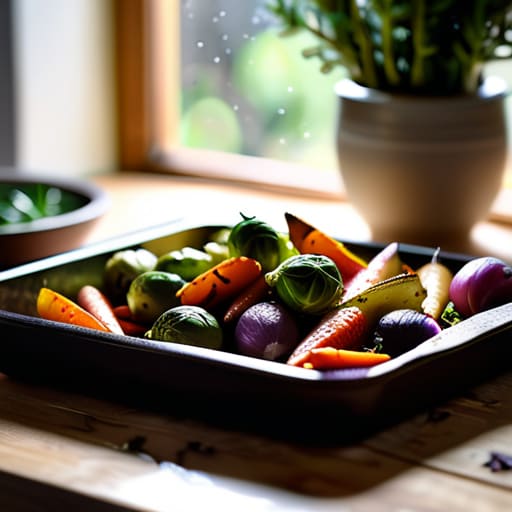
At the end of the day, cooking vegetables shouldn’t feel like another chore on your never-ending to-do list. By mastering a few reliable methods—whether it’s a quick sheet-pan roast or a simple sauté—and getting intentional about how you season them, you’re building a sustainable food system that actually works for your lifestyle. You don’t need a culinary degree or a kitchen full of expensive gadgets; you just need a few repeatable processes that take the guesswork out of your evening meal.
Please remember that perfection is the enemy of progress here. Some nights the broccoli will be a little too charred, and some nights you’ll forget the garlic entirely, and that is perfectly okay. The goal isn’t to produce a Michelin-star side dish every single night; it’s about creating enough functional routine that you can feed yourself well without the mental burnout. Once you find your rhythm, you’ll realize that eating well isn’t about control—it’s about creating space to actually enjoy the food you’ve prepared.
Frequently Asked Questions
How do I know when my vegetables are actually done without turning them into mush?
The “fork test” is a classic for a reason, but I prefer looking for “tender-crisp” texture. For most veggies, you want them to yield to a knife or fork with just a little bit of resistance—not a complete mushy collapse. If you’re roasting, look for those slightly charred, caramelized edges; that’s where the flavor lives. Trust your senses over a timer. If it looks vibrant and feels sturdy, it’s ready.
Is there a way to prep my veggies ahead of time so I'm not chopping everything right when I'm hungry?
Oh, I feel this one in my soul. There is nothing that kills my motivation to cook faster than standing over a cutting board when my stomach is already growling.