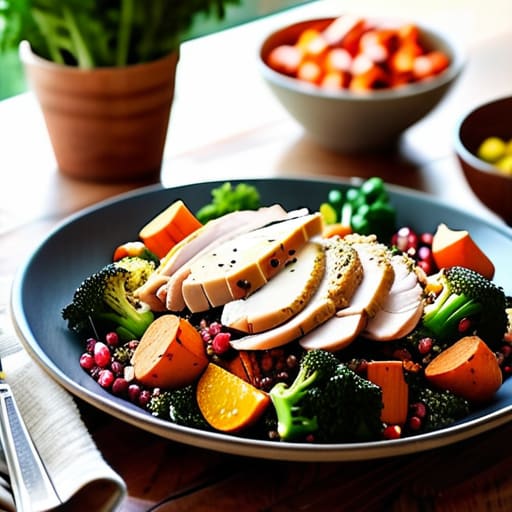
We’ve all been there: it’s 6:30 PM, you’re staring blankly into a fridge that contains half a lemon and some wilted spinach, and the mental fatigue of the day is hitting hard. When you’re running on fumes, the temptation to hit “order” on a delivery app is massive, but that’s usually when our nutrition—and our budget—takes the biggest hit. I’ve learned the hard way that finding actual healthy dinner ideas isn’t about following some complicated, three-hour culinary ritual; it’s about having a reliable fallback plan for when your brain is officially offline.
In this post, I’m sharing three of my personal go-to strategies that bridge the gap between “nutritious” and “actually doable.” I’m not talking about gourmet recipes that require a grocery haul; I’m talking about low-friction systems that keep you fed without adding to your mental load. By the end of this, you’ll have three distinct ways to reclaim your evenings so you can stop stressing about the stove and start actually enjoying your downtime.
Table of Contents
The Sheet Pan Savior
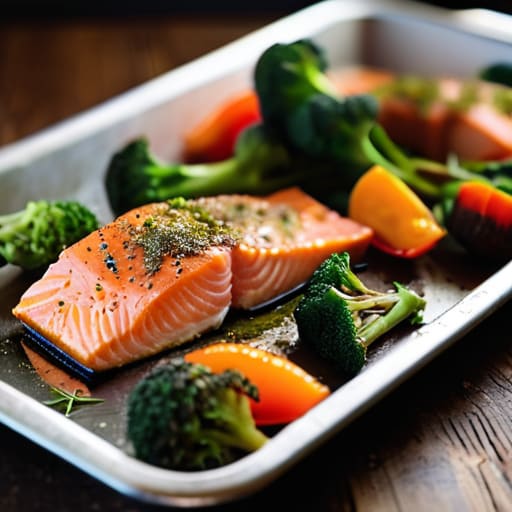
When my freelance projects hit a deadline rush, the last thing I want to do is stand over a stove for forty minutes. My go-to system is the sheet pan dinner because it minimizes the dreaded cleanup phase that usually follows a meal. I usually toss a protein like salmon or chicken thighs onto a tray with a pile of chopped seasonal veggies—think broccoli, bell peppers, or sweet potatoes—drizzle them with olive oil and salt, and let the oven do the heavy lifting.
Grain Bowls for Batch Prepping
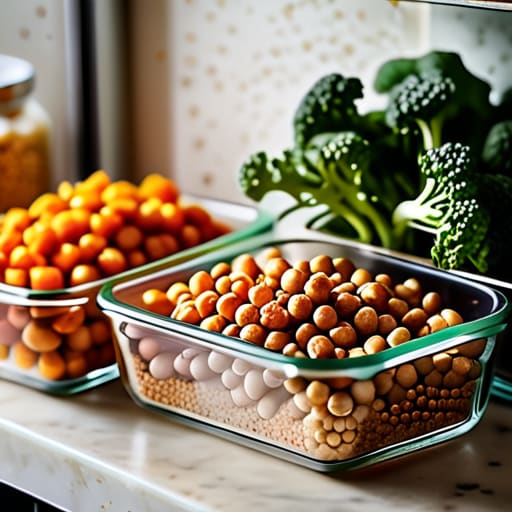
I’ve found that the most successful way to eat well during the week is to stop thinking about “meals” and start thinking about components. On a Sunday afternoon, I usually cook a large batch of quinoa or farro and roast a big tray of chickpeas. Having these base elements sitting in my fridge means that a healthy dinner is never more than five minutes away, even when I’m feeling completely drained after a long day of client calls.
The 15-Minute Pantry Pasta
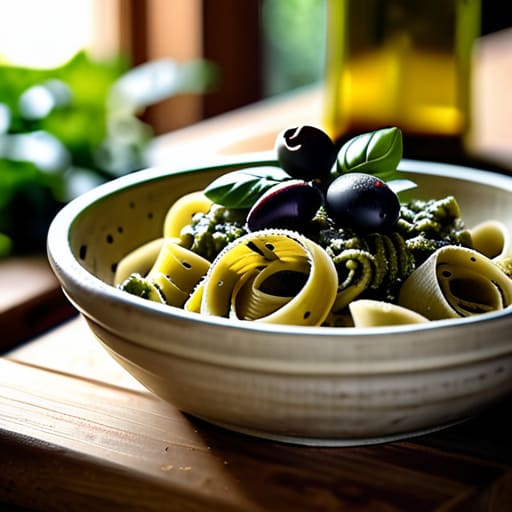
We all have those nights where the fridge looks completely empty and the temptation to order takeout is overwhelming. My personal “emergency” system is a high-quality pantry pasta. By keeping whole-grain pasta, canned artichoke hearts, olives, and a good jar of pesto or high-quality marinara in my cupboards, I can always assemble a meal that feels much more nourishing than a greasy delivery bag.
The Bottom Line
Stop aiming for culinary perfection; focus on building a rotation of reliable, low-effort meals that actually get eaten.
Success isn’t about the recipe itself, but about having the systems—like pre-chopped veggies or a dedicated pantry staple—to make cooking feel like less of a chore.
Finding Your Rhythm
At the end of the day, these dinner ideas aren’t about following a strict, rigid meal plan or striving for culinary perfection. Whether you’re leaning on the simplicity of a sheet-pan roast, the speed of a grain bowl, or the reliability of a hearty soup, the goal is to remove the decision fatigue that usually hits around 6:00 PM. By keeping a few of these versatile staples in your rotation, you’re essentially building a functional food system that works with your schedule rather than against it. It’s about having a fallback plan so that a busy Tuesday doesn’t result in expensive, processed takeout.
Please remember that some nights will still be a mess, and that is perfectly okay. You don’t need to overhaul your entire kitchen to start feeling more in control of your nutrition. Just pick one of these methods and try it out this week; even the smallest shift can create a noticeable amount of mental breathing room. Life is far too unpredictable to spend it stressing over what’s for dinner. Focus on the small, repeatable wins, and let the rest fall into place.
Frequently Asked Questions
How can I keep these meals healthy without spending my entire Sunday meal prepping?
The secret isn’t spending five hours in the kitchen on Sunday; it’s about “component prepping.” Instead of making full meals, just prep a few versatile building blocks. Roast a big tray of veggies, boil a batch of quinoa, or prep one protein. When Tuesday hits and you’re exhausted, you aren’t starting from scratch—you’re just assembling. It’s much more sustainable than a marathon prep session that leaves you feeling burnt out by Monday.
What are some pantry staples I should always have on hand to make these quick recipes actually work?
To make these quick meals actually happen, you need a foundation of “low-effort, high-reward” staples. I always keep a rotation of dried lentils, quinoa, and canned chickpeas—they’re my protein lifesavers. For flavor without the prep work, I rely on olive oil, sea salt, garlic powder, and a few versatile vinegars. If you have these in your pantry, you’re never more than ten minutes away from a real meal, even when your brain is fried.