We’ve all been there: it’s 6:30 PM on a Tuesday, you’re exhausted from a long day of back-to-back meetings, and you realize you have absolutely nothing to cook for dinner. I used to spend my evenings staring blankly into an empty cupboard, feeling that familiar spike of decision fatigue because I hadn’t planned ahead. The secret to avoiding that mid-week meltdown isn’t about having a massive, gourmet kitchen; it’s about curating a handful of reliable pantry staples to always have on hand so you aren’t left scrambling when life gets chaotic.
In this post, I’m stripping away the complexity and sharing my personal “minimalist pantry” approach. I’ve narrowed it down to just three essential items that act as the foundation for dozens of quick, nourishing meals. By building your kitchen around these specific building blocks, you’ll create a system that reduces your mental load and makes feeding yourself feel less like a chore and more like a seamless part of your routine.
Table of Contents
The Versatile Grain Foundation
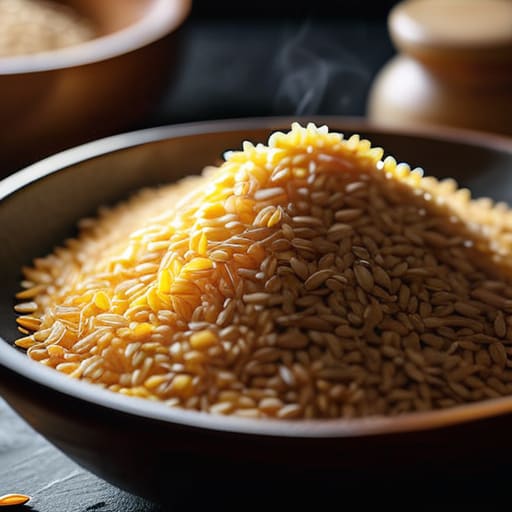
I’ve found that having a reliable, hearty grain like quinoa or jasmine rice is the ultimate safety net for those evenings when my brain is too fried to follow a complex recipe. Instead of ordering takeout because I feel like I have “nothing to eat,” I can just boil some grains and suddenly, I have a base for a meal. It’s about having that functional foundation ready to go so you aren’t starting from zero when hunger hits.
High-Quality Canned Legumes
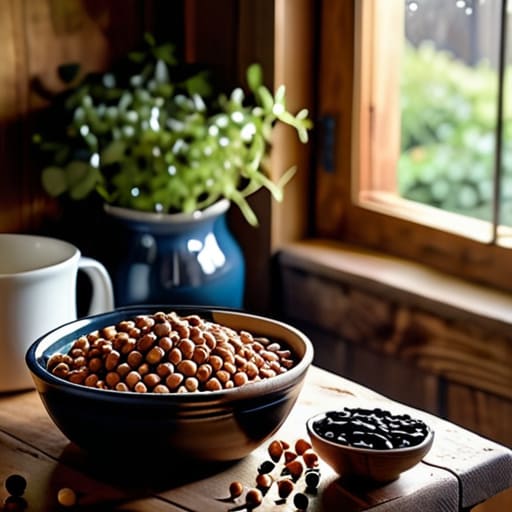
If there is one thing my freelance schedule has taught me, it’s that I need protein that doesn’t require soaking overnight or constant monitoring. Canned beans—specifically chickpeas and black beans—are my absolute lifesavers when I’m pivoting between client calls and trying to maintain some semblance of a routine. They are essentially instant nutrition that requires nothing more than a quick rinse to be ready for action.
The Flavor-Boosting Liquid Gold
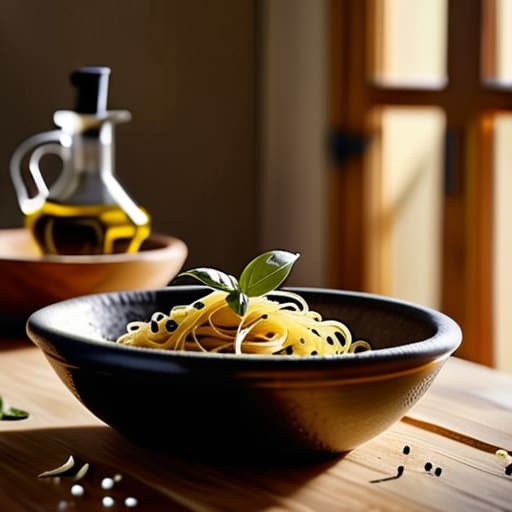
We often focus so much on the “bulk” of our food that we forget about the elements that actually make it taste like a real meal. I always make sure I have a good quality olive oil and a bottle of balsamic vinegar (or even some soy sauce) on hand. These aren’t just ingredients; they are the flavor anchors that can rescue a bland bowl of pasta or a simple roasted vegetable tray from being totally uninspiring.
The Bottom Line
Don’t aim for a Pinterest-perfect pantry; just focus on having enough reliable basics to bridge the gap between a busy workday and a real meal.
Treat your pantry as a system, not a collection—once you have your core staples set, the mental load of “what’s for dinner?” starts to disappear.
Building Your Own Safety Net
At the end of the day, stocking your pantry isn’t about having a gourmet kitchen or a perfectly curated aesthetic; it’s about having a functional foundation. By keeping those reliable grains, versatile canned goods, and flavorful aromatics on hand, you’re essentially pre-solving your future self’s problems. You won’t have to panic-order expensive takeout when a workday runs late or a grocery run feels impossible. Instead, you’ll have the raw materials to whip up something decent, helping you maintain a sense of control over your routine even when the rest of your schedule feels like it’s spiraling.
Remember, these systems are meant to serve you, not to become another chore on your to-do list. Start small—maybe just pick up one extra bag of rice or a couple of cans of beans during your next trip. The goal is to create a little more mental breathing room in your daily life. Once you have these basics in place, you’ll find that the small wins in your kitchen actually ripple outward, making everything else feel just a little bit more manageable.
Frequently Asked Questions
How do I know when I'm actually running low on these items without having to do a full inventory every week?
I used to do the “full pantry audit” every Sunday, and honestly, it was just another chore on my mental to-do list. Now, I use a “one-in, one-out” rule. When I open my last bag of rice or see the bottom of the pasta jar, I immediately jot it down in my notebook. If it’s not on the list, it doesn’t exist. It’s a tiny, low-effort system that keeps the chaos at bay.
Is there a way to keep these staples organized so I'm not constantly digging through the back of the cupboard?
Honestly, I used to spend way too much time digging through the “dark zones” of my pantry. Now, I swear by clear, airtight containers for anything used frequently—it makes it so much easier to see exactly what’s running low at a glance. I also love using tiered organizers or even simple lazy Susans for those awkward corners. It’s all about creating a system where everything has a visible home so you aren’t hunting for ingredients mid-recipe.