
I used to spend hours scrolling through interior design feeds, convinced that learning how to make your home cozy required a massive budget and a fleet of expensive, velvet-clad furniture. I thought if I didn’t have that perfectly curated, beige-on-beige aesthetic, I was somehow failing at “adulting.” But honestly? Most of that stuff is just clutter in disguise. Real coziness isn’t about buying a showroom-ready living room; it’s about creating a space that actually supports your nervous system after a long day of freelance deadlines and grocery runs.
In this guide, I’m skipping the expensive retail hauls and the “aesthetic” fluff. Instead, I want to share the small, repeatable systems I’ve used to transform my own apartment into a functional sanctuary. We’re going to focus on low-effort, high-impact shifts—like lighting, sensory layers, and intentional organization—that turn a house from just a place where you keep your stuff into a true retreat where you can actually breathe.
Table of Contents
Curating Warm Lighting for Living Rooms and Indoor Atmosphere Enhancement
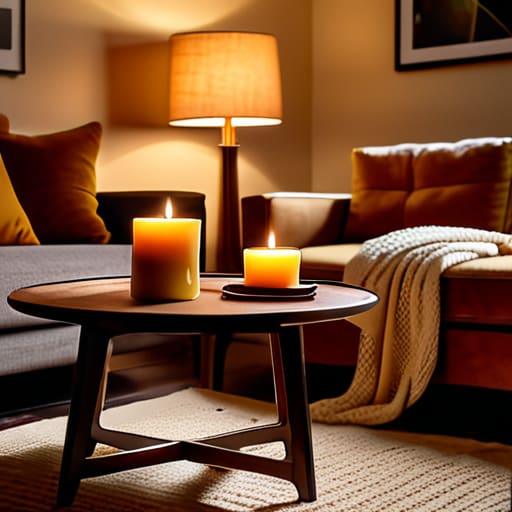
If there is one thing I’ve learned from years of working from my small apartment, it’s that overhead lighting is the enemy of relaxation. That harsh, clinical glow from a ceiling fixture can instantly spike my cortisol levels after a long day of client calls. To truly master warm lighting for living rooms, I always suggest a “layered” approach. Instead of one big light, try a mix of floor lamps, small table lamps, and even a few well-placed candles. This creates pockets of light and shadow that feel much more intentional and soft.
I’m a big believer in the minimalist cozy aesthetic, which means you don’t need a dozen different lamps cluttering your surfaces. Just a few high-quality pieces with warm-toned bulbs can completely transform your evening mood. When I’m working on my process flows in my notebook, I switch from my desk lamp to a soft amber glow in the corner of the room. It’s a simple, repeatable way of signaling to my brain that the workday is officially over and it’s time to decompress.
Layering Textiles for Home Comfort to Create a Sanctuary at Home
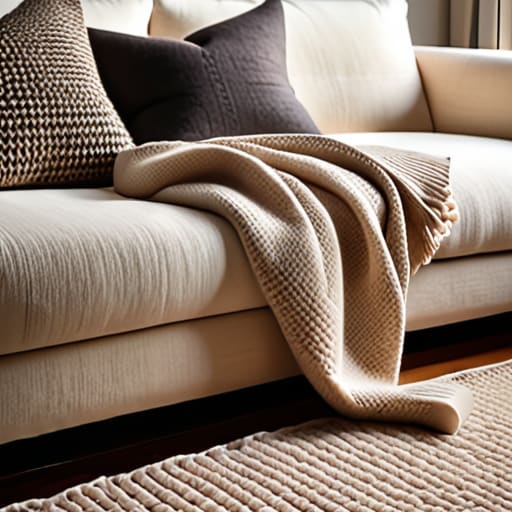
Once you’ve dialed in your lighting, the next step in creating a sanctuary at home is addressing the tactile side of things. I used to think a “cozy” room meant piling every mismatched pillow I owned onto the sofa, but I quickly learned that a minimalist cozy aesthetic is much more effective. Instead of clutter, focus on the quality and weight of your fabrics. Think about layering a chunky knit throw over a smooth linen sofa or adding a high-pile rug to soften the hard lines of your floor. It’s less about filling the space and more about adding depth through texture.
When I’m designing a room, I treat textiles for home comfort as a way to ground the space. If a room feels “cold” or unfinished, it’s usually because there’s too much visual friction—too many hard surfaces like wood, glass, or metal. By introducing softer elements, you’re essentially adding a layer of visual and physical warmth. My little rule of thumb? Always aim for at least three different textures in your main seating area to ensure the space feels intentional and deeply inviting.
Creating Sensory Anchors: The Final Layers of Coziness
- Bring the outside in with intentional greenery. I’ve found that a few well-placed plants—even if they’re just easy-to-care-for pothos or my little herb garden on the windowsill—do more for the “soul” of a room than any expensive piece of art. It adds a sense of life and movement that makes a space feel lived-in rather than just staged.
- Curate a “scent system” for your different zones. Instead of just spraying random aerosols, try to associate specific scents with how you want to feel in a room. A light citrus or linen scent for the kitchen to keep things fresh, and something deeper like sandalwood or cedar for the bedroom. It’s a small, repeatable way to signal to your brain that it’s time to decompress.
- Clear the visual clutter to make room for the calm. This is the hardest part for me, but a cozy home shouldn’t feel chaotic. I use a “one-in, one-out” rule for my surfaces; if I bring a new book or a decorative tray into the living room, something else has to be tucked away in a drawer or a basket. You can’t truly relax if your eyes are constantly jumping from one piece of clutter to the next.
Final Thoughts: Making Comfort Stick
Don’t feel like you have to overhaul your entire home in a single weekend; start with one small, intentional change—like swapping a harsh overhead bulb for a warm lamp—and see how it shifts your mood.
Remember that coziness is about how a space functions for your well-being, not how it looks on Instagram, so prioritize the textures and lighting that actually help you decompress.
Finding Your Rhythm
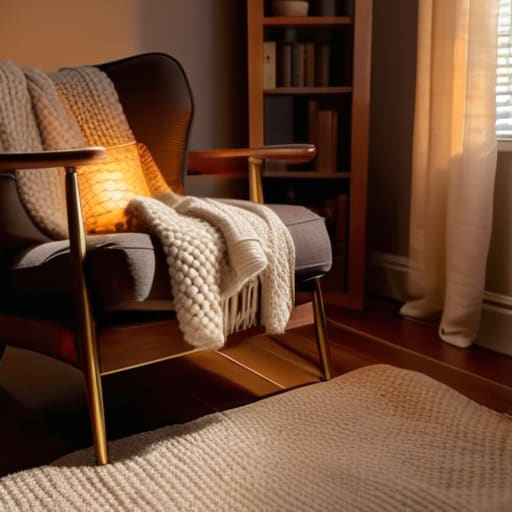
At the end of the day, creating a cozy home isn’t about a massive renovation or buying every expensive throw pillow on your feed. It’s really just about the small, intentional layers we’ve talked about—switching from that harsh overhead light to a warm lamp, or adding a soft texture to your favorite reading chair. When you combine thoughtful lighting with the tactile comfort of textiles, you aren’t just decorating; you are building a physical environment that supports your mental well-being. It’s about creating a space that works for you, rather than a space you feel like you have to maintain.
Please remember that your home should be a living, breathing reflection of your journey, not a static museum piece. If a system feels too heavy or a decor choice feels forced, let it go. The goal is to create a functional sanctuary where you can actually decompress after a long day of managing the chaos of life. Start small, be kind to yourself, and let your space evolve at its own pace. You deserve a home that feels like a deep breath.
Frequently Asked Questions
I have a really small apartment with limited space; how can I add layers and warmth without it feeling cluttered or overwhelming?
I totally get it—when you’re working with a small footprint, “layering” can quickly feel like “cluttering.” My rule of thumb is to prioritize texture over volume. Instead of adding more pillows, try swapping a flat cotton throw for a chunky knit one, or adding a small jute rug. Focus on one “anchor” piece per zone. It creates that sense of warmth and depth without making your living room feel like a storage unit.
How do I choose lighting that feels cozy and intentional without making the whole room feel too dark or dim for actual tasks?
The trick is to stop thinking about one big overhead light and start thinking in “layers.” I always aim for a mix of task, ambient, and accent lighting. Keep a bright, functional lamp near your desk or reading nook for actual work, but use warm-toned floor lamps or dimmable sconces for the rest of the room. This way, you can switch from “productive mode” to “unwind mode” just by changing which switch you hit.