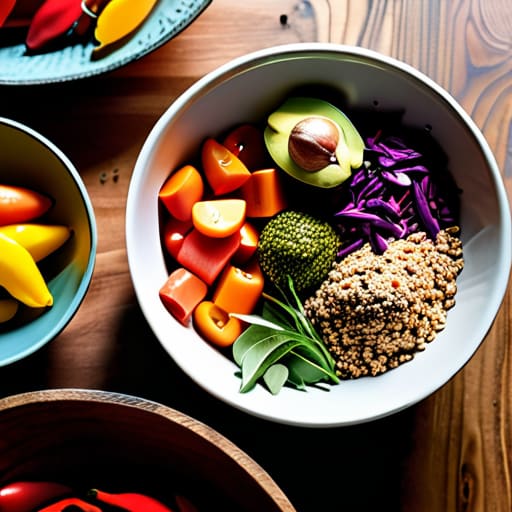
I used to stare at that Tupperware in the back of my fridge with a genuine sense of dread, wondering if I was actually “meal prepping” or just collecting science experiments. We’ve been sold this idea that being organized in the kitchen requires elaborate, Pinterest-perfect transformations, but honestly? Most of the time, I just want to eat something decent without starting from scratch. Learning how to use leftovers shouldn’t feel like a second job or a creative writing prompt; it should be a way to reclaim your evening.
I’m not here to give you a list of complicated recipes that require a pantry full of specialty spices you’ll never use again. Instead, I want to share the repeatable systems I’ve built to turn random bits of protein and veg into actual, satisfying meals. My goal is to help you bridge the gap between “what’s left over” and “what’s for dinner” so you can stop overthinking your food and finally clear some mental space.
Table of Contents
Creative Leftover Meal Ideas for a Functional Kitchen
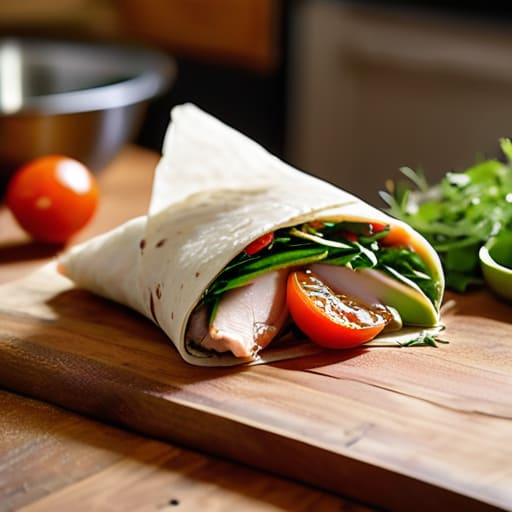
When I look at a container of roasted chicken or a half-empty pot of quinoa, I don’t see “old food”—I see the foundation for tonight’s dinner. One of my favorite ways to practice repurposing cooked proteins is to transform last night’s roast chicken into a quick, high-protein salad or a hearty wrap. It’s much faster than starting from scratch, and it keeps that “what’s for dinner?” anxiety at bay.
If you’re feeling a bit more adventurous, think about building a “bowl” system. Take those leftover roasted vegetables and grains, toss them with a fresh handful of greens and a quick tahini dressing, and you have a nutritious lunch ready to go. This kind of meal prep with leftovers isn’t about eating the exact same thing three days in a row; it’s about using your existing inventory to create something entirely new with minimal effort.
Repurposing Cooked Proteins to Minimize Daily Decision Fatigue
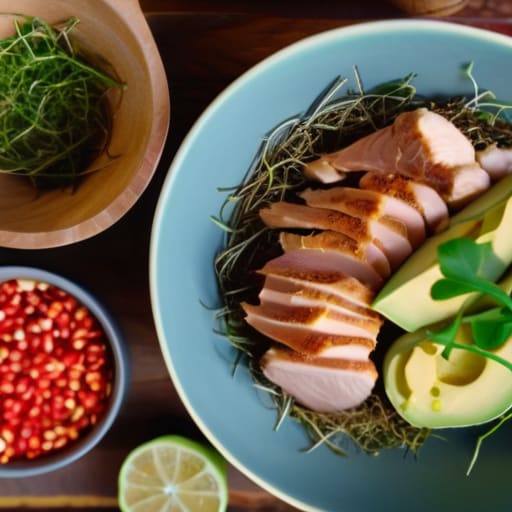
If you’re like me, the hardest part of the day isn’t actually the cooking—it’s the 6:00 PM “what are we eating?” mental loop. This is where repurposing cooked proteins becomes a total game-changer for your sanity. Instead of viewing last night’s roasted chicken or seasoned ground beef as a “leftover,” try looking at it as a pre-prepped component. When I have a batch of protein already sitting in the fridge, I’m not starting from scratch; I’m just assembling.
I’ve found that the secret to successful meal prep with leftovers is to change the flavor profile entirely so you don’t feel like you’re eating the same meal twice. If you have leftover steak, don’t just reheat it; slice it thin for a quick protein-packed salad or toss it into a breakfast scramble the next morning. By treating your protein as a building block rather than a finished dish, you’re essentially automating your dinner decisions and reclaiming that precious mental energy.
Three Small Systems to Keep Your Fridge (and Mind) Clear
- Label everything with a piece of masking tape and a sharpie. It sounds tedious, but knowing exactly when that roasted veggie medley was made prevents that “is this still safe?” moment of hesitation that usually ends with me tossing everything in the bin.
- Invest in a set of uniform, stackable glass containers. When everything fits together like a puzzle in my fridge, I can actually see what I have at a glance, which stops me from overbuying groceries and adds a little visual calm to my kitchen.
- Implement a “Use It or Lose It” night every Thursday. By designating one night a week to graze on whatever is left in the fridge, I prevent the dreaded Friday “fridge audit” and ensure nothing goes to waste before the weekend rush.
Small Wins for a Less Chaotic Kitchen
Stop viewing leftovers as “old food” and start seeing them as prepped ingredients; when you shift your mindset, you’re not just eating leftovers, you’re reclaiming thirty minutes of your evening.
Build a “repurpose ritual” into your Sunday meal prep so that your protein is already ready to be transformed, cutting down on that dreaded end-of-day decision fatigue.
Finding Your Rhythm in the Kitchen
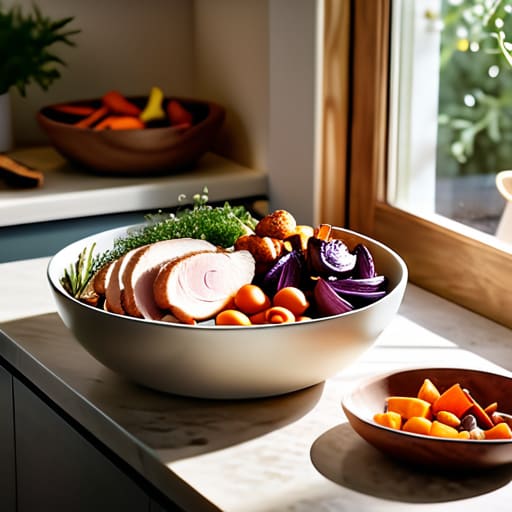
At the end of the day, managing leftovers isn’t about following a rigid recipe book; it’s about building a sustainable loop that supports your lifestyle. By repurposing your proteins and getting creative with those extra veggies, you aren’t just saving a few dollars on your grocery bill—you are actively reducing the friction of your daily routine. When you have a plan for that extra roasted chicken or that half-container of grains, you eliminate that frantic, end-of-day “what’s for dinner?” panic that so often drains our energy.
Remember, the goal here isn’t to achieve a Pinterest-perfect kitchen, but to create a space that actually works for you. Every time you choose to transform a leftover into a new meal instead of letting it wilt in the back of the fridge, you are reclaiming your mental bandwidth. Let these small, repeatable systems be the foundation that allows you to step away from the stove sooner and actually enjoy your evening. You’ve got this.
Frequently Asked Questions
How do I know when leftovers are actually safe to eat versus when I should just toss them to avoid the mental stress of food poisoning?
Honestly, the “sniff test” is a lie we tell ourselves to feel brave, but it doesn’t actually work. If you’re staring at a container feeling that low-level anxiety, just toss it. My rule of thumb? Three to four days in the fridge is my hard limit for most cooked meals. If it’s been sitting there longer, the mental cost of wondering if you’ll get sick far outweighs the cost of a new grocery run.
What are some practical ways to store leftovers so they actually stay fresh and don't just turn into a science project in the back of my fridge?
The secret to avoiding “fridge science projects” is all about air and visibility. I’ve learned the hard way that those bulky, mismatched plastic containers are where food goes to die. Switch to glass containers with airtight lids; they seal better and let you see exactly what’s inside at a glance. Also, try the “First In, First Out” rule: move older leftovers to the front of the shelf so they don’t get lost in the back.