
I remember sitting on my floor three years ago, surrounded by half-finished spreadsheets and crumpled sticky notes, staring at a blank Google Doc and feeling completely paralyzed. I had the skills, but I had no way to prove them, and every “expert” online was telling me that learning how to build a portfolio required a $50-a-month website subscription and a degree in graphic design. It felt like I needed to build a digital monument just to land a single freelance gig, when all I actually needed was a functional way to show my work.
I’m not here to sell you on a fancy, over-engineered website that you’ll spend more time decorating than actually using. Instead, I want to show you how to create a simple, repeatable system that captures your wins in real-time so you’re never scrambling again. We are going to focus on building a framework, not a masterpiece, so you can stop overthinking the aesthetics and start getting the opportunities you actually deserve.
Table of Contents
Curating Best Projects to Clear the Mental Clutter

One of the biggest mistakes I see people make is treating their portfolio like a junk drawer—just throwing everything they’ve ever done into one digital pile. When you’re curating best projects, you have to be ruthless. It’s tempting to include every single thing to prove you’ve been busy, but that just creates noise. Instead, I like to look at my work through a filter of “Does this represent the kind of work I actually want to do next?” If a project doesn’t align with your current goals, let it go.
Think of it as a curated gallery rather than an archive. When you’re showcasing creative work, quality will always beat quantity. I usually pick about three to five solid pieces that show a range of skills. If you’re feeling stuck, look at some portfolio website examples from people in your field; you’ll notice they aren’t showing everything, they’re just showing the right things. This keeps your presentation clean and, more importantly, keeps your own mental load low because you aren’t constantly trying to defend mediocre work.
Mastering Case Study Structure for Impactful Storytelling
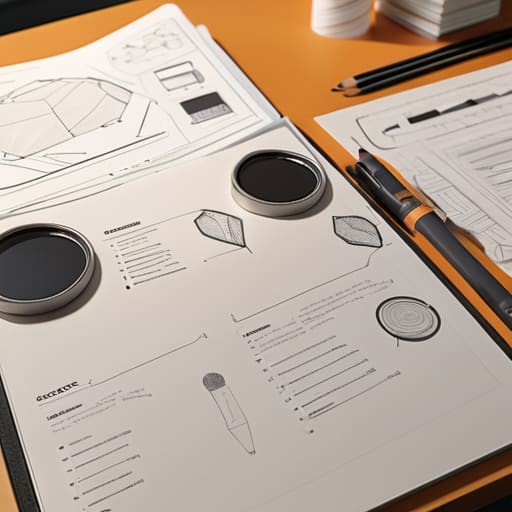
Once you’ve narrowed down your selection, the next step is moving beyond just showing a pretty final product. A common mistake I see is people simply dumping images onto a page and hoping for the best. To really make an impression, you need a solid case study structure that walks a reader through your brain, not just your eyes. I like to think of it as a narrative arc: start with the problem you were trying to solve, explain the messy middle where you hit roadblocks, and finish with the tangible results.
When you’re showcasing creative work, people aren’t just hiring your talent; they’re hiring your problem-solving process. Instead of just saying “I designed this,” try explaining why you chose a specific direction. This level of transparency turns a static gallery into a living demonstration of your value. Whether you’re using custom-built sites or one of the many digital portfolio platforms available, remember that the story behind the work is what actually builds trust with a potential client or employer.
Three Ways to Keep Your Portfolio From Becoming a Second Full-Time Job
- Build a “Work Graveyard” folder. Instead of frantically hunting for files every time a client asks for something, keep a dedicated folder on your drive where you drop finished assets, final briefs, and even those “failed” iterations that actually show great problem-solving. It makes updating your portfolio a matter of minutes, not a weekend-long scavenger hunt.
- Focus on the “Why,” not just the “What.” It’s tempting to just dump a gallery of pretty screenshots, but a portfolio that actually works is about the logic behind the design. I always tell myself: if I can’t explain the specific problem I was solving in two sentences, it doesn’t belong in the main showcase.
- Create a “Living Document” workflow. Don’t treat your portfolio like a static monument you finish once a year. Set a recurring monthly reminder in your calendar—just fifteen minutes—to check if you have one new win or one updated metric to add. It keeps the mental load low and ensures you’re never staring at a blank screen when a big opportunity lands in your inbox.
The Bottom Line: Systems Over Perfection
Stop trying to build a museum of everything you’ve ever done; instead, focus on building a repeatable system that selects only the work that proves you can solve the specific problems your next client cares about.
A great portfolio isn’t just a gallery of pretty images—it’s a functional roadmap of your thinking, so make sure your case studies prioritize the “how” and the “why” just as much as the final result.
Moving From Setup to Action

At the end of the day, building a portfolio isn’t about achieving some unattainable level of aesthetic perfection; it’s about creating a functional roadmap of your capabilities. We’ve talked about the importance of curating only your most impactful work to avoid mental overwhelm and using structured case studies to tell a clear, cohesive story. When you treat your portfolio as a repeatable system rather than a one-off daunting task, you stop staring at a blank screen and start building a tool that actually works for you.
Remember, your portfolio is a living document, not a museum piece. It’s okay if it feels a little messy or unfinished right now—the goal is to get your process down on paper so you can stop overthinking and start showing up. Don’t wait for the perfect project to hit your desk before you start organizing. Just build the framework today, and give yourself the mental breathing room to grow into your next big role with confidence.
Frequently Asked Questions
How often should I be updating my portfolio to keep it from becoming outdated?
Honestly, don’t wait for a massive career shift to touch it. I treat my portfolio like my herb garden—if I ignore it for months, things get messy. I aim for a “micro-update” once a quarter. Even if you don’t add a whole new project, just spend thirty minutes swapping out an old screenshot or refining a single sentence. It keeps the mental load low and ensures you’re never scrambling when an opportunity actually appears.
Is it better to show a wide variety of work, or should I stick to a very specific niche to avoid overwhelming potential clients?
I used to think I needed to show everything I’d ever done to prove my worth, but that just creates a messy, overwhelming experience for anyone viewing it. Honestly? Aim for a “specialized generalist” approach. Pick a specific niche that represents the work you want to do, then show a few varied projects within that lane. It proves you have range without turning your portfolio into a cluttered junk drawer.