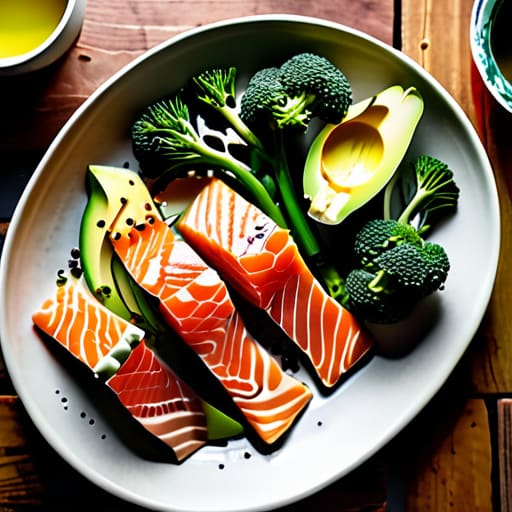
I used to spend way too much energy scrolling through aesthetic food blogs, feeling like I needed a degree in nutrition and a pantry full of expensive superfoods just to figure out how to build a balanced meal. There is this exhausting myth that eating well has to be a whole production involving precise gram measurements and exotic ingredients you can’t find at your local corner store. Honestly, it’s just more mental clutter we don’t need after a long day of work.
I’m not here to give you a complicated diet plan or a list of restrictive rules. Instead, I want to share the simple, repeatable framework I use to keep myself fueled without the decision fatigue. We’re going to break down a functional formula for your plate—one that works with the random ingredients in your fridge so you can stop overthinking dinner and actually enjoy your evening.
Table of Contents
Mastering the Protein Vegetable Carbohydrate Ratio Without Stress
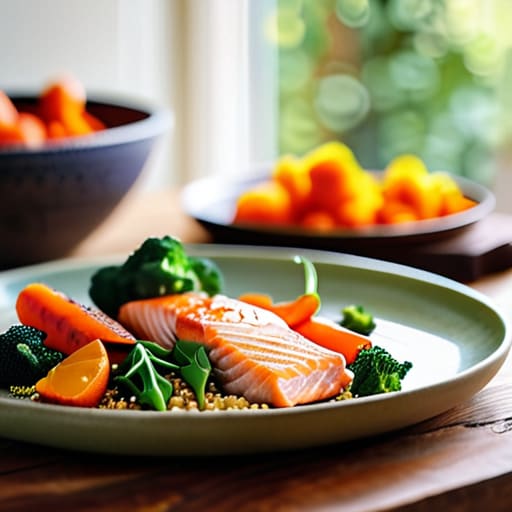
When I first started freelancing, my lunch was usually whatever I could grab in thirty seconds between client calls—usually something processed and totally unsatisfying. I realized I wasn’t just hungry; I was crashing because my meals lacked structure. Instead of obsessing over calories, I started using a simplified nutritional plate method to keep me steady. Think of it as a visual framework rather than a math equation. You’re aiming for a specific protein vegetable carbohydrate ratio that keeps your blood sugar from spiking and dipping, which is the real secret to avoiding that 3:00 PM brain fog.
To keep this from feeling like a chore, I use a simple mental checklist: half the plate is dedicated to colorful veggies, a quarter goes to your protein source, and the final quarter is for your complex carbs. It’s a basic form of portion control for healthy eating that doesn’t require a kitchen scale or a complicated app. By mastering these healthy food proportions, you take the decision fatigue out of eating. You aren’t “dieting”; you’re just following a repeatable system that works for your body and your busy schedule.
Using the Nutritional Plate Method to Manage Daily Chaos
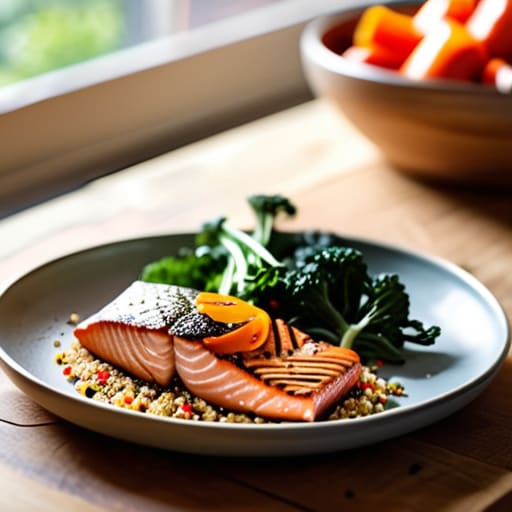
If the idea of tracking every single gram of food feels like another exhausting item on your to-do list, let’s scrap it. I’ve found that the nutritional plate method is a much more sustainable way to eat without needing a spreadsheet. Instead of obsessing over calories, I just look at my plate as a visual map. I aim to fill half of it with colorful veggies, a quarter with protein, and the final quarter with my preferred carbs. It’s a simple, visual way to handle portion control for healthy eating without the mental fatigue of constant measuring.
This isn’t about being a perfectionist; it’s about having a reliable system to fall back on when life gets messy. On those nights when I’m working late and just throwing whatever is in the fridge together, this method keeps me from spiraling into a bowl of plain pasta. By focusing on these healthy food proportions, I’m not just eating; I’m automating a decision that used to take way too much brainpower. It turns a chaotic Tuesday night into something that actually feels intentional.
Three Small Systems to Keep Your Kitchen From Feeling Like a Chore
- Keep a “staple list” in that physical notebook of mine. Instead of staring blankly at the pantry, identify five go-to proteins, five grains, and five frozen veggies that you know work together. When you’re tired after a long day of freelance calls, you aren’t “cooking”—you’re just assembling from a pre-set menu.
- Use the “one-pan rule” to minimize the post-dinner cleanup. If you can roast your protein and your vegetables on the same sheet pan with a bit of olive oil and salt, you’ve won half the battle. A balanced meal shouldn’t come at the cost of an hour spent scrubbing pots.
- Don’t fear the “semi-homemade” approach. A balanced meal doesn’t have to start from scratch every single night. Using a pre-washed bag of arugula or a rotisserie chicken isn’t “cheating”; it’s a strategic way to reduce your mental load so you actually have the energy to sit down and eat.
The Bottom Line: Systems Over Perfection
Stop chasing complex recipes and start focusing on the formula; once you master the basic ratio of protein, veg, and carbs, you can cook almost anything without a mental meltdown.
Build your meals around your energy needs, not just a clock, using these simple visual cues to keep your body fueled and your decision fatigue low.
Finding Your Rhythm at the Table
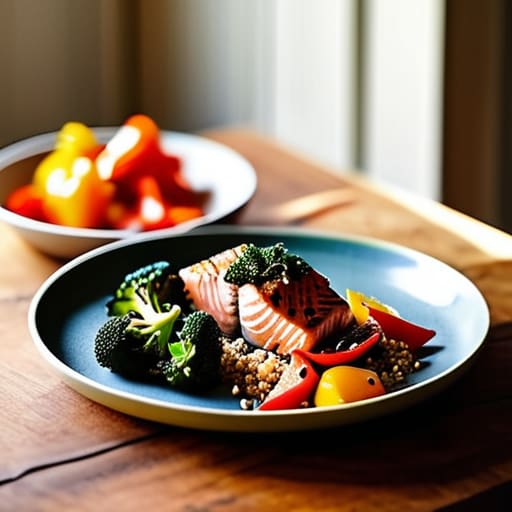
At the end of the day, building a balanced meal isn’t about following a rigid, complicated recipe or counting every single calorie. It’s about using the tools we talked about—the protein-veg-carb ratio and the visual plate method—to create a reliable framework that works for you. When you stop viewing nutrition as a math problem and start seeing it as a simple, repeatable system, you take the decision fatigue out of your evenings. Whether you’re meal prepping on a Sunday or throwing something together ten minutes before a deadline, having these functional guidelines ensures you’re fueling your body without adding to your mental load.
Please remember that perfection is the enemy of progress. Some nights will be a perfectly balanced salmon bowl, and other nights will be a bowl of cereal eaten over the sink—and that is okay. The goal isn’t to be a gourmet chef; it’s to build a lifestyle that feels sustainable and calm. Focus on the small, consistent wins, and let these systems give you the freedom to actually enjoy your food and your life.
Frequently Asked Questions
What do I do when I'm eating out or grabbing something quick, like takeout, and can't exactly control the portions?
When you’re staring at a takeout menu, don’t stress about perfection—just look for the “anchors.” If you’re grabbing a bowl or a sandwich, try to ensure there’s a solid protein and a veggie tucked in there somewhere. If the portion feels massive, I usually just split it immediately or ask for a side salad to balance it out. It’s not about calorie counting; it’s just about finding those small, functional wins even when you’re on the go.
How do I adjust these ratios if I'm feeling extra tired or if I've had a particularly intense workout day?
Think of these ratios as a sliding scale, not a rigid law. On days when I’m feeling completely drained, I lean heavier into complex carbs—like sweet potatoes or oats—to give my brain and body that steady energy lift. If I’ve just crushed a heavy workout, I flip the script: I bump up the protein to help with recovery and add an extra serving of healthy fats. It’s all about listening to what your body is actually asking for.