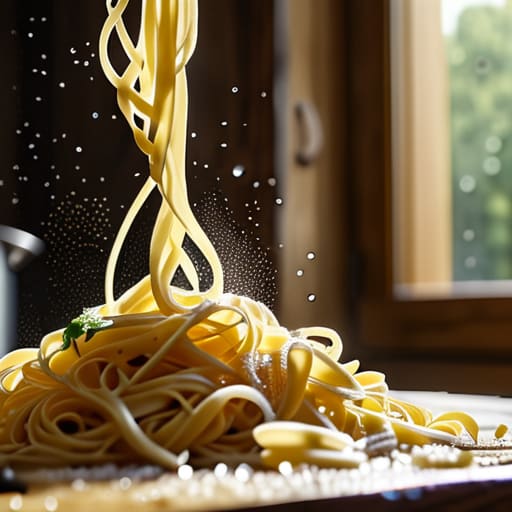
I used to think that mastering the kitchen meant buying a $500 copper pot or following some pretentious, ten-step recipe from a culinary textbook, but honestly? That’s just more mental clutter we don’t need. I spent way too many years in my early twenties overcomplicating my weeknight dinners, thinking that if I wasn’t using artisanal, hand-rolled noodles, I wasn’t doing it right. The truth is, learning how to cook pasta perfectly isn’t about the fancy equipment or the expensive ingredients; it’s about mastering a few reliable, repeatable mechanics that work every single time, even when you’re exhausted after a long day of freelance calls.
I’m not here to give you a lecture on the history of Italian starch; I want to give you a system. In this guide, I’m breaking down the exact, no-nonsense workflow I use to ensure my pasta is always al dente and actually tastes like something worth eating. We’re going to strip away the kitchen hype and focus on the practical steps that turn a basic box of dried noodles into a meal that feels intentional, rather than just another chore on your to-do list.
Table of Contents
Mastering the Foundation Boiling Water and Salting Correctly
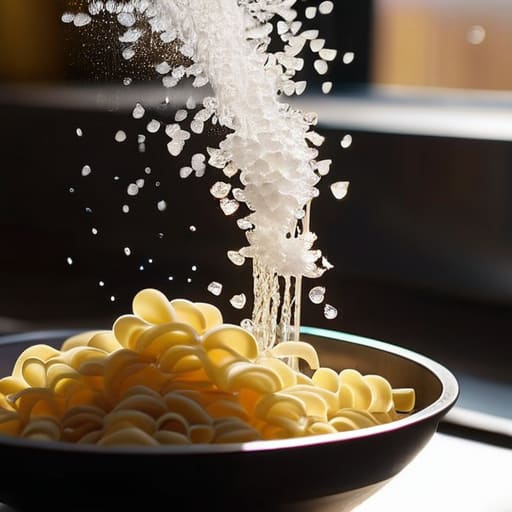
First things first: don’t be stingy with the salt. I used to think a little sprinkle was enough, but if you want that deep, authentic flavor, you need to be salting pasta water correctly from the very start. Think of it like seasoning a soup; the salt needs to penetrate the noodle itself, not just sit on the surface. I always aim for water that tastes like a mild sea breeze. It might feel like overkill, but it’s the only way to ensure the pasta doesn’t taste bland once it hits the plate.
When it comes to the heat, patience is your best friend. You aren’t just looking for bubbles; you want a rolling boil that doesn’t stop even when you drop the noodles in. This vigorous movement is actually crucial for how to achieve al dente texture, as it keeps the different pasta shapes from clumping together. Once you’ve got that steady, aggressive boil going, you’ve officially built the foundation for a meal that actually tastes like it came from a kitchen, not a box.
The Science of Texture Achieving Al Dente and Using Pasta Starch Importance
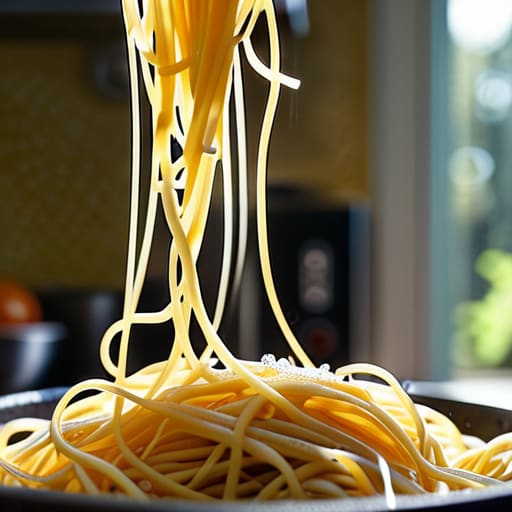
This is where most people lose the plot, but it’s actually the most rewarding part of the system. To truly understand how to achieve al dente texture, you have to stop thinking about the timer as an absolute rule and start thinking about it as a suggestion. “Al dente” literally means “to the tooth,” which means the pasta should have a slight, firm bite in the center rather than being a soft, mushy mass. I always start tasting my noodles about two minutes before the package instructions say they’ll be done. It’s a small habit, but it’s the difference between a meal that feels heavy and one that feels light and intentional.
While you’re hovering over the pot, don’t go dumping that cloudy liquid down the drain just yet. There is a massive amount of pasta starch importance when it comes to the final assembly of your dish. That starchy, salty water is liquid gold. Instead of just pouring your sauce over dry noodles, add a splash of that reserved water to your pan. It acts as a bridge, helping the sauce emulsify and cling to the pasta rather than just sliding off to the bottom of the bowl. It’s a simple, repeatable trick that makes even a basic jarred sauce feel like something you actually spent an hour crafting.
My Three Non-Negotiables for a Stress-Free Pot
- Save the liquid gold. Before you drain that colander, scoop out a mugful of that cloudy, starchy pasta water. I use it as my secret weapon; a splash of it swirled into your sauce acts like a bridge, binding the pasta and the sauce together so they don’t just sit separately on your plate.
- Stop the “rinse habit” immediately. I know it feels intuitive to run cold water over your noodles to stop the cooking, but unless you’re making a cold pasta salad, don’t do it. You’ll wash away all that precious starch we just worked so hard to create, and your sauce will never stick.
- The “One-Minute Warning” rule. Every brand of pasta behaves differently, and a box’s instructions are really just a suggestion. Start testing the texture about a minute before the timer is supposed to go off. You want to catch it at that precise moment where it’s tender but still has a firm, structural bite.
The Pasta Cheat Sheet: My Non-Negotiables
Never drain your pasta water down the sink; keep a small mug of that starchy liquid on hand to emulsify your sauce and prevent that dreaded “dry noodle” feeling.
Trust your timer, but trust your palate more—start tasting the pasta two minutes before the box says it’s done so you can catch that perfect al dente bite before it turns mushy.
Putting the System into Practice
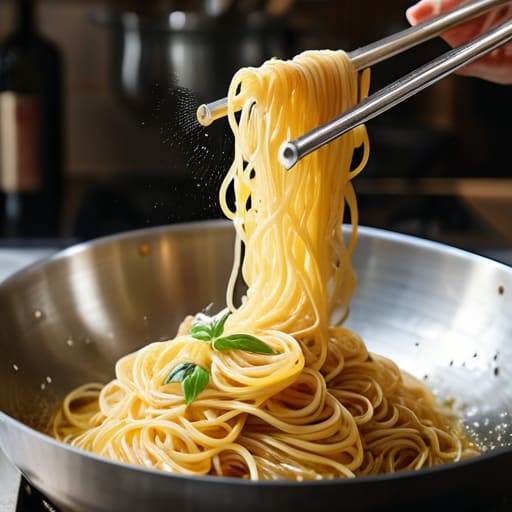
At the end of the day, mastering pasta isn’t about following a rigid recipe; it’s about respecting the process. Once you’ve nailed the heavy salting, mastered your timing for that perfect al dente bite, and started treating your pasta water like liquid gold for your sauces, you’ve removed the guesswork. You no longer have to hover over a steaming pot, wondering if you’ve ruined dinner. By implementing these small, repeatable steps, you turn a potentially stressful cooking task into a reliable, repeatable system that works every single time you step into the kitchen.
I know that some nights, the goal isn’t to be a gourmet chef—it’s just to eat something delicious without adding more mental clutter to your plate. Don’t let the fear of a mushy noodle keep you from enjoying a quiet meal. Once these habits become second nature, you’ll find that you have more mental space to actually enjoy the food and the company in front of you. Cooking should fuel your life, not drain your energy. Now, go grab a fork and enjoy.
Frequently Asked Questions
Should I rinse my pasta with cold water after draining it, or does that ruin the texture?
The short answer? Don’t do it. Unless you’re making a cold pasta salad, rinsing your pasta is a total system failure. That starchy water clinging to the noodles is exactly what helps your sauce actually stick instead of sliding off into a puddle at the bottom of the bowl. If you rinse it, you’re essentially stripping away the “glue” that makes the dish cohesive. Keep that starch, save the texture, and just toss it straight into the sauce.
If I'm making a heavy sauce, should I cook the pasta slightly less than the box instructions suggest?
Yes, absolutely. I always pull my pasta about a minute or two before the box says it’s done. If you’re working with a heavy, hearty sauce, you want that extra bit of “bite” so the noodles don’t turn into mush once they hit the pan. Finish cooking them directly in the sauce with a splash of that starchy pasta water; it helps the sauce cling to the noodles instead of just sliding off.